
 Resources
Teen Gives Up on School? Why It Happens and How to Help
Published On 25-10-2026
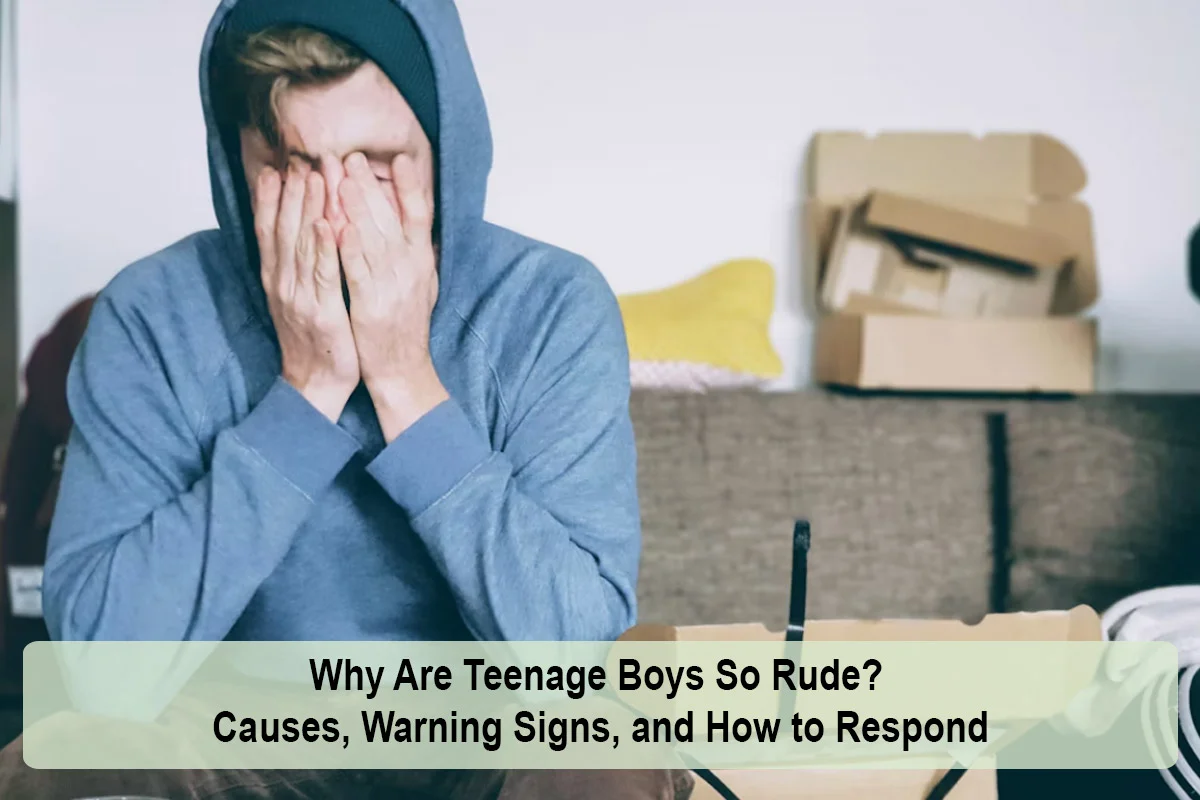
Why are teenage boys so rude? If your once-chatty son now answers in grunts, rolls his eyes at every request, talks back, or seems to save his worst attitude for you, you are not alone. Rudeness in teen boys is one of the most common frustrations parents describe. In many cases it is a normal, if exhausting, part of growing up. But persistent disrespect can also be a sign of stress, depression, bullying, substance use, or a behavior disorder. This guide explains why teenage boys can be rude and disrespectful, what is happening in their brains and lives, how to tell normal attitude from a deeper problem, and what parents can do to respond without making it worse.
Some rudeness, moodiness, and pushback is a normal part of adolescence. Teen boys are building an identity separate from their parents, testing limits, and figuring out who they are. Eye rolling, one-word answers, sarcasm, arguing about rules, and wanting more privacy are common. What matters is how often it happens, how intense it is, and whether it is getting in the way of school, friendships, and family life.
According to the National Institute of Mental Health's guide The Teen Brain: 7 Things to Know, the brain keeps maturing into the mid to late 20s, and the prefrontal cortex, which helps with planning and impulse control, is among the last areas to mature. Emotional systems are highly active during the teen years. That combination means a teen boy may say something rude before he thinks it through, then feel embarrassed or defensive afterward.
Rising testosterone and other hormonal changes can increase irritability, emotional intensity, and impulsivity. Growth spurts and changes in sleep patterns add to the mix, leaving many teen boys tired and short-tempered.
Rudeness can be a clumsy way of saying "I am not a little kid anymore." Teens test whether rules are firm and whether adults will follow through. How parents respond helps teens learn where the real boundaries are.
School pressure, sports, social media, friendships, and worries about the future can drain a teen's patience. Many boys hold it together all day at school and release frustration at home, where they feel safest.
Problems with peers often show up as attitude at home. According to the National Center for Education Statistics, about one in five students ages 12 to 18 reported being bullied at school in the 2021 to 2022 school year, including 17% of male students. A teen boy who is being teased, excluded, or harassed may become irritable and withdrawn rather than talk about it.
Many boys learn that showing sadness or fear is weak, while anger and toughness are acceptable. Some online influencers reinforce dominance, disrespect, and dismissiveness toward others, especially women. Boys who feel isolated may be particularly drawn to these messages.
Boys are less likely than girls to say they feel sad, but depression in teen boys often looks like irritability, anger, and rudeness. The CDC's 2023 Youth Risk Behavior Survey found that 27.7% of male high school students reported persistent feelings of sadness or hopelessness. Rudeness can be the visible tip of something much heavier.
| Usually Normal | May Signal a Bigger Problem |
|---|---|
| Eye rolling, sarcasm, or one-word answers | Constant hostility, cruelty, or insults aimed at family members |
| Arguing about rules, then following them | Regularly refusing rules and blaming others for everything |
| Wanting more privacy | Total withdrawal from family, friends, and activities |
| Bad moods that pass | Irritability most of the day for two weeks or more |
| Occasional slammed doors | Threats, breaking things, or physical aggression |
| Rudeness mainly at home | Disrespect at home, school, and with other adults, causing serious problems |
| Stable grades and friendships | Falling grades, new friend groups, secrecy, or signs of substance use |
Oppositional defiant disorder (ODD) is a behavior disorder involving a persistent pattern of angry or irritable mood, argumentative or defiant behavior, and vindictiveness that lasts at least six months and causes problems at home, school, or with peers. Signs include frequently losing his temper, arguing with adults, refusing to follow rules, deliberately annoying people, blaming others, and acting spitefully. CDC data shows that among children ages 3 to 17, 10% of boys have a current diagnosed behavior disorder, compared with 5% of girls. Only a qualified professional can diagnose ODD, and it often occurs alongside ADHD, anxiety, or depression.
| When He Says or Does This | Try Responding |
|---|---|
| "Whatever." with an eye roll | "I can tell you are annoyed. We can talk about it when you are ready." |
| Swearing at you | "I am not going to keep talking while you speak to me that way. We will try again in 20 minutes." |
| Ignoring a request | "I need the dishes done before you use your phone tonight." |
| "You never understand anything." | "Help me understand. What am I missing?" |
| Mocking a sibling | "That is not how we treat people in this family. Go cool off, then we will talk." |
Many teen boys are chronically short on sleep because their natural sleep timing shifts later during puberty while school still starts early. Late-night gaming and scrolling make it worse. Sleep-deprived teens are more irritable, impulsive, and quick to snap. Keeping devices out of the bedroom at night, encouraging daily exercise, and protecting a consistent bedtime can noticeably improve mood and reduce rudeness. Our teen phone addiction statistics show how screen time links to mood.
Reach out to your son's pediatrician, a licensed therapist, or an adolescent treatment program if rudeness is constant, getting worse, or comes with:
Treatment often includes cognitive behavioral therapy, dialectical behavior therapy, and family therapy, along with parent training. Learn more about anger treatment and read our guide to teenage anger towards mothers. Browse programs for boys and adolescents, including Nexus Teen Academy in Scottsdale and MK Boys Academy. If your son is in crisis, call or text 988.
Teenage boys are often rude because of a developing brain, hormones, a push for independence, stress, peer problems, and pressure to act tough. Most of the time, calm responses, clear limits, brief consequences, and steady connection help the attitude ease over time. But constant hostility, aggression, withdrawal, or signs of depression, bullying, or substance use deserve a closer look. With nearly 28% of high school boys reporting persistent sadness, rudeness is sometimes a cry for help that calls for professional support.
This article was reviewed by the RehabsNearMe Editorial Team for accuracy, clarity, and relevance. Information may be sourced from publicly available treatment resources, government agencies, and healthcare references where applicable.
Last reviewed: October 2026
Resources
 Resources
 Resources
 Resources