
 Resources
Teen Psychodrama Therapy Techniques: How Role-Play Helps Teens Heal
Published On 25-10-2026
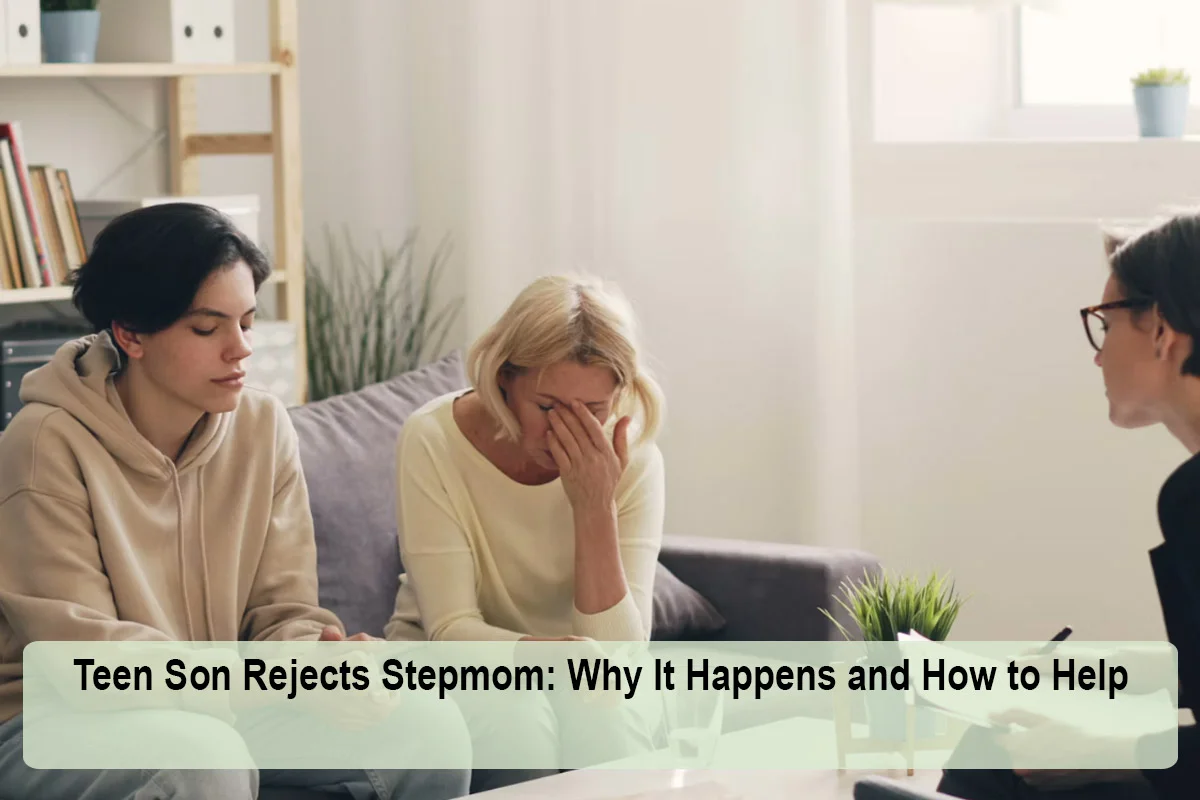
You hoped your new family would come together naturally, but your teenage son wants nothing to do with his stepmom. He ignores her, refuses to follow her rules, makes cutting remarks, leaves the room when she enters, or tells her outright, "You're not my mom." For the stepmom, it can feel deeply hurtful. For the father, it can feel like being torn between his son and his partner. And for the teen, rejection often hides grief, loyalty conflicts, and fear. The good news is that most stepfamily relationships improve with time, patience, and the right approach. This guide explains why teen sons reject stepmoms, how a stepmom can build a relationship without forcing it, the father's critical role, mistakes to avoid, and when family therapy can help.
If your family is struggling, you are far from alone. A Pew Research Center analysis of Census Bureau data found that 17% of U.S. children under 18 lived in a blended family in 2023, including 22% of teens ages 13 to 17. Many of these families go through a difficult adjustment period, especially when children are teenagers.
Many teens worry that liking a stepmom means betraying their mom. Even if his mother is supportive, a son may feel guilty for getting close to another mother figure. If his mom is hurt or angry about the divorce, that loyalty conflict can be even stronger.
Whether his parents divorced or his mother died, your son has experienced a major loss. A stepmom can be a constant reminder that his old family is gone for good. Anger toward her may be grief in disguise.
Some children quietly hope their parents will get back together. A stepmom's presence ends that hope, which can make her an easy target for resentment.
A teen may feel he now has to share his father's time, attention, and affection. If he spends less one-on-one time with dad than before, he may blame his stepmom.
Teens often reject discipline from someone they do not yet have a relationship with. A stepmom who enforces rules early on may be seen as an outsider overstepping.
New homes, new routines, stepsiblings, and new expectations can leave a teen feeling like he has no control. Rejecting his stepmom can be a way to push back against all of it.
Teenage boys naturally pull away from parents as they build their own identity. A stepmom arriving during this stage may face extra distance on top of what any parent would experience.
Depression, anxiety, or trauma related to the divorce or other events may show up as anger and rejection. Learn more about depression treatment and trauma treatment.
| Normal Adjustment | May Signal a Deeper Problem |
|---|---|
| Distant or cool toward stepmom | Constant hostility, insults, or threats |
| Prefers time alone with dad | Refuses to be in the same home |
| Grumbles about new rules | Aggression, property damage, or running away |
| Slow improvement over months | Getting worse over time |
| Mood stable in other areas | Depression, falling grades, withdrawal, or substance use |
Make it clear that you are not trying to take his mother's place. You might say, "I know I'm not your mom, and I'm not trying to be. I hope we can get to know each other."
Relationships with stepchildren often take years, not months, to develop. Let him set the pace. Pushing for closeness usually creates more distance.
Many family experts recommend that stepparents leave most discipline to the biological parent at first, especially with teens. Focus on being a kind, consistent presence.
Shared interests are often easier than conversations. Watch a game, play a video game, cook his favorite meal, give him rides, or show interest in his music or hobbies without overdoing it.
Speaking negatively about his mom, even in frustration, will deepen his loyalty conflict and damage trust.
Knock before entering his room, avoid going through his things, and accept that he may want time alone with his dad.
His rejection is mostly about the situation, not about you as a person. Staying warm and steady over time sends a powerful message.
Attend his games or events if he is okay with it, remember his birthday, and be reliable. Consistency builds trust.
Being rejected in your own home is painful. Talk with your partner, friends, a stepparent support group, or a therapist.
Read more about father and teen son conflict.
| Avoid Saying | Try Saying |
|---|---|
| "She's your mother now." | "She's not replacing your mom. She's someone who cares about you." |
| "You need to love her." | "You don't have to love her, but I expect you to be respectful." |
| "Your mom is the problem." | "It's okay to love your mom and still get along here." |
| "Stop being so difficult." | "This has been a lot of change. How are you really feeling about it?" |
Keep some routines from your son's earlier life, such as a favorite holiday tradition or weekend activity with dad. At the same time, gradually build new traditions that include everyone, like a weekly pizza night or an annual trip. Ask your son for ideas so he feels part of shaping the new family rather than having it imposed on him.
When possible, a cooperative relationship between households helps enormously. When his mom signals that it is okay to get along with his stepmom, many teens feel relieved of their loyalty conflict. Keep communication focused on your son, avoid conflict in front of him, and try to keep major rules consistent between homes.
There is no set timeline. Some teens warm up within months, while others take years. Teenage stepchildren often take longer than younger children to accept a stepparent. Many stepparents find that the relationship improves significantly once the teen becomes a young adult and has more perspective. The goal in the meantime is a respectful, peaceful relationship, with room for closeness to grow.
Consider family therapy if conflict is constant, your son's behavior is escalating, your marriage is under strain, or your son shows signs of depression, anxiety, or substance use. A therapist experienced with blended families can help everyone express feelings safely, clarify roles, and develop a plan. Learn more about family therapy and family involvement in treatment. If your son's anger or behavior is severe, programs for teen boys such as MK Boys Academy in Shadow Hills and Nexus Teen Academy in Scottsdale may help. Related guides include when a teen suddenly hates the family and family therapy for generational trauma. If your son talks about self-harm or suicide, call or text 988.
When a teen son rejects his stepmom, it usually reflects loyalty to his mother, grief, fear of losing his dad, resentment over rules, or too much change at once. Stepmoms can help by going slow, not trying to replace his mom, connecting through low-pressure shared activities, and leaving discipline to dad at first. Fathers play a critical role by keeping one-on-one time, setting expectations for basic respect, and supporting their partner. With patience and consistency, most stepfamily relationships improve. When conflict is severe or your son is struggling emotionally, family therapy can help everyone move forward.
This article was reviewed by the RehabsNearMe Editorial Team for accuracy, clarity, and relevance. Information may be sourced from publicly available treatment resources, government agencies, and healthcare references where applicable.
Last reviewed: October 2026
Resources
 Resources
 Resources
 Resources