
 Resources
Positive Coping Skills for Teens: 44 Healthy Ways to Manage Stress
Published On 25-10-2026
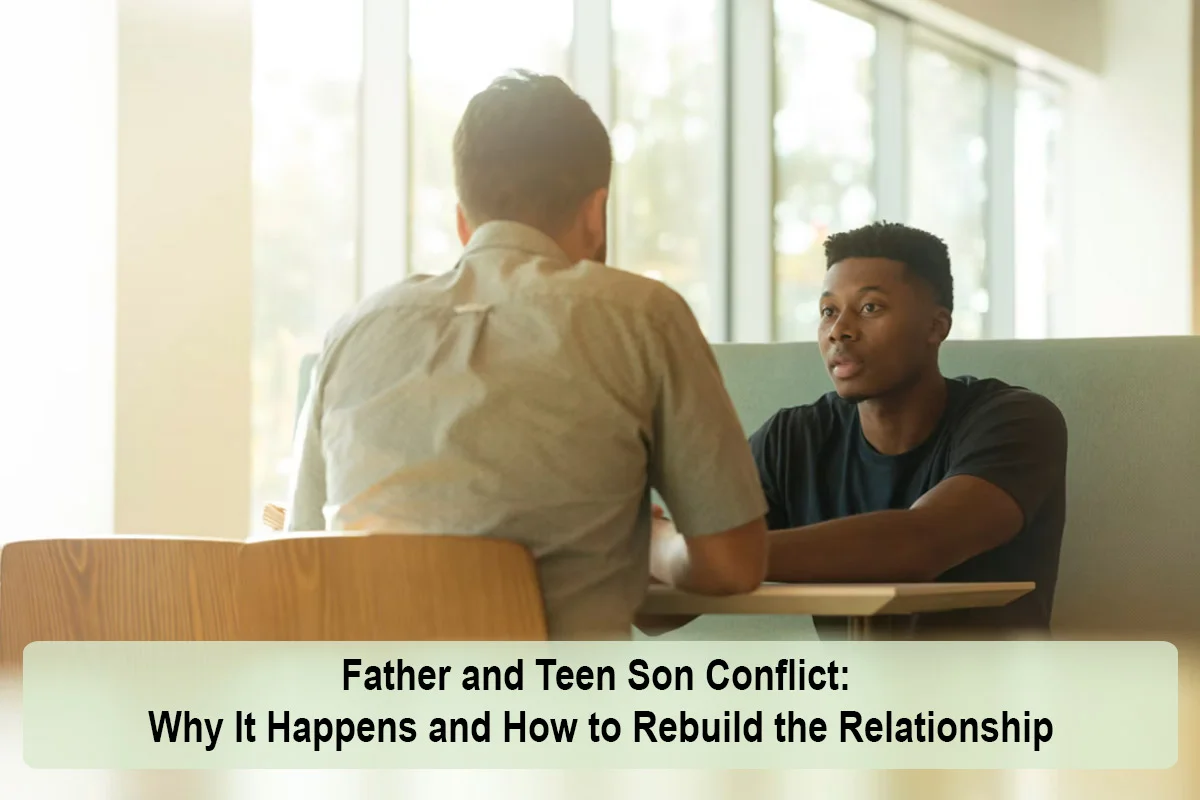
Father and teen son conflict is one of the most common, and most painful, tensions in family life. The boy who used to follow his dad everywhere now argues about every rule, rolls his eyes at advice, and seems to bristle the moment his father walks into the room. Many dads feel disrespected, shut out, or unsure how to reach a son who suddenly seems like a stranger. The good news is that father-son conflict during adolescence is normal and usually repairable. This guide explains why fathers and teenage sons clash, the warning signs that the relationship needs extra help, practical ways dads can reduce arguments and rebuild trust, and when family therapy makes sense.
Adolescence is when boys start figuring out who they are apart from their parents. For many sons, that means pushing back against their father specifically, because dad is often the model they are trying to differentiate from. Questioning rules, arguing opinions, and wanting more freedom are normal parts of growing up, even though they can feel like personal rejection.
The National Institute of Mental Health explains in The Teen Brain: 7 Things to Know that the brain keeps developing into the mid to late 20s, and the areas responsible for planning and impulse control are among the last to mature. That means teen boys often react emotionally before thinking things through, which can turn small disagreements into shouting matches.
As sons grow taller, stronger, and more capable, some father-son relationships take on a competitive edge. A son may want to prove he is a man, while a father may feel his authority is being challenged. Both may be fighting for respect without realizing it.
Fathers often worry about their sons making mistakes they made or saw. That fear can come out as stricter rules, sharper criticism, or lectures. Many dads also parent the way they were parented, and if they grew up with strict or distant fathers, they may repeat patterns they never liked.
Many fathers and sons were taught to avoid talking about feelings. Without the words for hurt, worry, or embarrassment, both may express those emotions as anger or silence.
Sometimes conflict is a sign that a son is struggling with something bigger. The CDC's 2023 Youth Risk Behavior Survey found that 27.7% of male high school students reported persistent feelings of sadness or hopelessness. Depression, anxiety, school pressure, bullying, or substance use often show up in boys as irritability and defiance toward a parent.
Many father-son conflicts follow a predictable loop:
Breaking this cycle usually requires the adult to change first, by slowing down, listening, and responding differently.
| Normal Father-Son Friction | Signs the Relationship Needs Help |
|---|---|
| Arguments about rules that blow over | Silence or avoidance that lasts days or weeks |
| Some eye rolling and pushback | Constant sarcasm, contempt, or insults on either side |
| Still spends some time together | Son avoids being in the same room as dad |
| Disagreements without threats | Physical confrontations, threats, or property damage |
| Can repair after a fight | No repair; resentment keeps building |
| Son is doing okay elsewhere | Falling grades, withdrawal, substance use, or signs of depression |
When you feel your temper rising, take a breath, lower your voice, or step away. Saying "I need a minute, we will finish this later" models self-control and prevents saying things you will regret.
Harsh words often cover embarrassment, hurt, or fear of letting you down. Let him finish, then reflect back what you heard: "So you feel like I never trust you to make your own decisions."
Acknowledge his feelings first, even if you disagree with his conclusion. Advice lands better after a teen feels understood.
Teen boys respond better to coaching than orders. Explain the reasons behind rules, ask for his ideas, and let him make age-appropriate choices, while still holding firm on safety and respect.
Focus on what truly matters: safety, honesty, school, and treating people with respect. Let go of smaller issues like hairstyle or music.
Many boys open up more while doing something together, such as driving, fixing something, playing a sport, cooking, or gaming. Regular low-pressure time rebuilds connection without forced conversations.
Trust grows when you show up when you say you will, follow through on promises, and keep consequences consistent.
Few things are more powerful than a father saying, "I lost my temper earlier, and I am sorry." It shows your son that strength and accountability go together.
Telling your son about mistakes you made as a teen, or times you felt unsure, can make you more relatable and open the door for him to share.
| Instead of Saying | Try Saying |
|---|---|
| "Because I said so." | "Here is why this rule matters to me." |
| "When I was your age..." | "I remember feeling something like that when I was your age." |
| "Stop being so dramatic." | "I can see this really matters to you." |
| "You are going to fail at this." | "I believe you can figure this out. How can I help?" |
| "Do not talk back to me." | "I want to hear you, and I need you to say it respectfully." |
The goal is not perfect conversation but shared time. Letting him choose the activity shows respect for his interests.
Sons often pick up on differences between parents and may side with the more lenient one. If a mother or other parent figure seems to side with the son, talk privately rather than in front of him. Agree on core rules and responses, and back each other up. A family therapist can help when parents struggle to find common ground.
If your own father was harsh, absent, or emotionally distant, you may have few models for a warm, steady relationship with a teen son. Noticing those patterns is the first step. Parenting classes, books, men's groups, or individual therapy can help you build new skills. The federal National Responsible Fatherhood Clearinghouse at Fatherhood.gov offers free resources for dads.
Single fathers, stepfathers, and dads who live apart from their sons face extra challenges. Stepdads often do best by building a relationship before taking on a strong disciplinary role, while letting the biological parent lead on rules at first. Long-distance or part-time fathers can stay connected through regular calls, texts, shared online games, or watching the same shows, and by keeping promises about visits.
There is no set timeline. Small improvements, like calmer conversations or a shared activity he agrees to, can appear within weeks when a father changes his approach consistently. Deeper trust, especially after years of conflict, may take months. Consistency matters more than any single big conversation.
Therapy is not only for serious problems. A few sessions with a neutral counselor can help fathers and sons slow down, understand each other, and practice new ways of communicating. Seek help sooner if conflict involves physical aggression, threats, constant hostility, or signs of depression, anxiety, or substance use. Family therapy, cognitive behavioral therapy, and parent coaching are common approaches. Learn more about anger treatment, and read our guides on why teenage boys are so rude and what to do when a teen son won't stop lying. Browse programs for boys and adolescents, including Nexus Teen Academy in Scottsdale and MK Boys Academy. If your son is in crisis, call or text 988.
Father and teen son conflict is a normal part of adolescence, driven by a son's push for independence, a developing brain, competition for respect, and a father's own fears and history. Dads can break the conflict cycle by pausing before reacting, listening and validating, coaching instead of commanding, picking their battles, spending side-by-side time, keeping their word, and apologizing when they are wrong. When conflict becomes constant, physical, or tied to depression or substance use, family therapy can help fathers and sons rebuild a stronger relationship.
This article was reviewed by the RehabsNearMe Editorial Team for accuracy, clarity, and relevance. Information may be sourced from publicly available treatment resources, government agencies, and healthcare references where applicable.
Last reviewed: October 2026
Resources
 Resources
 Resources
 Resources