
 Resources
Teen Destroying Property at Home: Is It a Mental Health Crisis?
Published On 18-10-2026
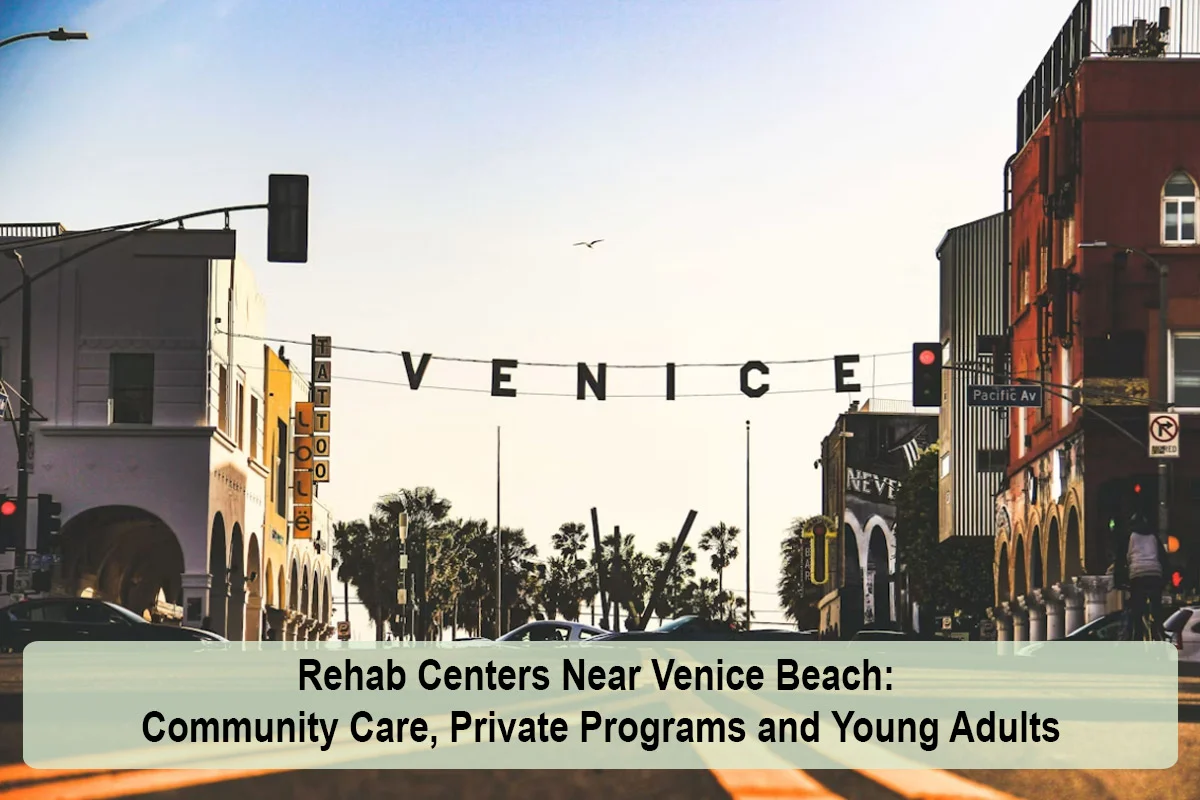
Venice Beach is one of the most recognizable neighborhoods in Los Angeles, known for its boardwalk, canals, artists, skaters, and its place at the center of the Westside's "Silicon Beach" tech scene. It is also a neighborhood where substance use is highly visible, from party culture to the encampments that line some streets. That mix means people searching for rehab near Venice Beach often have very different needs: a young tech worker whose drinking has spiraled, an artist dealing with stimulant use, a parent worried about a teenager, or someone living on the street who needs help today. This guide covers the options for each, from community health clinics in Venice itself to private programs nearby.
Treatment access in Venice generally starts in one of two places:
Venice Family Clinic is a nonprofit community health center founded in Venice in the 1970s and affiliated with UCLA. It provides care regardless of income, insurance, or immigration status. After merging with South Bay Family Health Care, the clinic operates 17 sites across the Westside and South Bay, including Venice and Santa Monica, plus mobile clinics and a street medicine program for people experiencing homelessness. Its services include primary care, mental health care, and substance use treatment.
The clinic has been involved in integrating addiction treatment into primary care for years. It partnered with the RAND Corporation on a National Institute on Drug Abuse funded study called SUMMIT, which tested ways to identify and treat substance use disorders in primary care. The clinic has offered medication for opioid use disorder, counseling, case management, and HIV prevention and syringe services through its Common Ground program.
For many people in Venice, a primary care visit is a less intimidating first step than calling a rehab. A clinician can assess substance use, start medication for opioid or alcohol use disorder when appropriate, and refer to higher levels of care.
Venice is home to Safe Place for Youth, an organization serving young people experiencing homelessness, where Venice Family Clinic has operated a youth health clinic. Young adults who are unhoused face particularly high risks from substance use, including overdose and exploitation, and youth-focused services can be an important bridge to care.
For Medi-Cal members and many uninsured residents, the Los Angeles County Department of Public Health operates a network of contracted treatment providers covering detox, residential, outpatient, and medication treatment. The easiest entry point is the county's Substance Abuse Service Helpline at 1-844-804-7500, available 24 hours a day, which screens callers and refers them to appropriate programs. The county also maintains an online Service and Bed Availability Tool showing open residential beds and intake appointments. Our guide to rehab centers near downtown Los Angeles explains how these tools work in detail.
| Area | Examples of Listed Programs | Approximate Drive from Venice |
|---|---|---|
| Santa Monica and Pacific Palisades | Start Up Recovery | 10 to 25 minutes |
| Beverly Hills | Bridges to Recovery, Safe Haven Recovery, 90210 Recovery | 25 to 40 minutes |
| Malibu | Cliffside Malibu, Passages Malibu, Seasons in Malibu, The Meadows Malibu, and others | 30 to 60 minutes |
| Hollywood Hills | Hollywood Hills Recovery, Ritz Recovery, Bliss Recovery | 35 to 50 minutes |
Our guide to rehab centers near Santa Monica covers the Westside's residential, outpatient, and sober living landscape, including fire-related changes in Malibu and Pacific Palisades after January 2025.
Venice and the surrounding Westside attract young adults for work, nightlife, and the beach lifestyle. Binge drinking, cocaine, MDMA, ketamine, and other party drugs are common in these settings. Many young adults do not see their use as a problem until it starts affecting work, relationships, or mental health. Programs designed for young adults, with peers of similar ages and a focus on life skills and career, often engage this group more effectively. You can browse programs through our young adults treatment page.
Cannabis is legal and widely available in California, and Venice has a visible cannabis culture. Most people who use cannabis do not develop a disorder, but some do, especially with daily use of high-potency products. Warning signs include using more than intended, failed attempts to cut back, and continued use despite problems. Our guide to cannabis use disorder explains the signs and treatment.
The Silicon Beach tech scene brings long hours, startup pressure, and a culture that sometimes normalizes stimulant use to stay productive, including misuse of prescription stimulants. Pills obtained outside a pharmacy are especially risky because counterfeit pills may contain methamphetamine or fentanyl. Our guide to Adderall uses and addiction risk covers the dangers of prescription stimulant misuse.
Fentanyl contamination affects the entire drug supply, including cocaine and counterfeit pills. People who use any drugs bought on the street or online, even occasionally, face overdose risk. Naloxone, which reverses opioid overdoses, is available without a prescription at California pharmacies.
Harm reduction services, such as naloxone distribution, syringe services, fentanyl test strips, and outreach, keep people alive and connected to care while they move toward treatment. In Venice, community health and outreach programs provide these services alongside medical care. Harm reduction is not an alternative to treatment. It is often the bridge to it. Our article on harm reduction explains how these approaches work.
If you are trying to help someone experiencing homelessness in Venice, a few approaches tend to work better than pushing for immediate residential rehab:
Housing instability makes recovery much harder. Programs that combine treatment with housing support tend to produce better long-term results.
Recovery does not end when formal treatment does. Venice and the surrounding Westside offer a wide range of support options that help people stay connected after treatment:
Teens in beach communities are often exposed to alcohol, vaping, cannabis, and party drugs at a young age. Parents who are worried should watch for changes in friends, grades, sleep, mood, and money, and talk openly about the risks, including fentanyl contamination in pills sold through social media. If concerns are serious, a pediatrician or adolescent addiction specialist can assess the situation. Adolescent programs are different from adult rehab and should include family involvement and school support. Our guide on recognizing when a loved one needs treatment can help.
Young adults often do best in programs designed for their stage of life. Look for programs that group clients with peers of similar ages, address career and education goals, include family involvement where appropriate, and teach practical life skills. It also helps to choose a program that understands modern substance use patterns, including vaping, high-potency cannabis, ketamine, and counterfeit pills. For college students, our guide to collegiate recovery programs explains campus-based support options.
Many people who live or work around Venice want help without leaving their careers. Evening intensive outpatient programs, virtual IOP, and executive residential programs can make treatment more compatible with demanding jobs. Our guide on working while attending rehab explains which levels of care fit around a full-time schedule.
Call 911 if someone is unresponsive, not breathing normally, or having a seizure, and give naloxone if opioids may be involved. For a mental health crisis, call or text 988. For withdrawal that is severe or worsening, especially from alcohol or benzodiazepines, go to the nearest emergency department.
Rehab near Venice Beach looks different depending on who needs it. For people with Medi-Cal, no insurance, or unstable housing, community clinics such as Venice Family Clinic and the Los Angeles County helpline at 1-844-804-7500 are practical starting points. For people with private insurance or resources, residential programs in Santa Monica, Pacific Palisades, Beverly Hills, Malibu, and the Hollywood Hills are within an hour, with Westside outpatient care and sober living for the months after. Whatever the path, keep naloxone nearby, take young adult and stimulant use seriously, and remember that the right first step is the one a person is willing to take.
This article was reviewed by the RehabsNearMe Editorial Team for accuracy, clarity, and relevance. Information may be sourced from publicly available treatment resources, government agencies, and healthcare references where applicable.
Last reviewed: October 2026
Resources
 Resources
 Resources
 Resources