
 Resources
Teen Destroying Property at Home: Is It a Mental Health Crisis?
Published On 18-10-2026
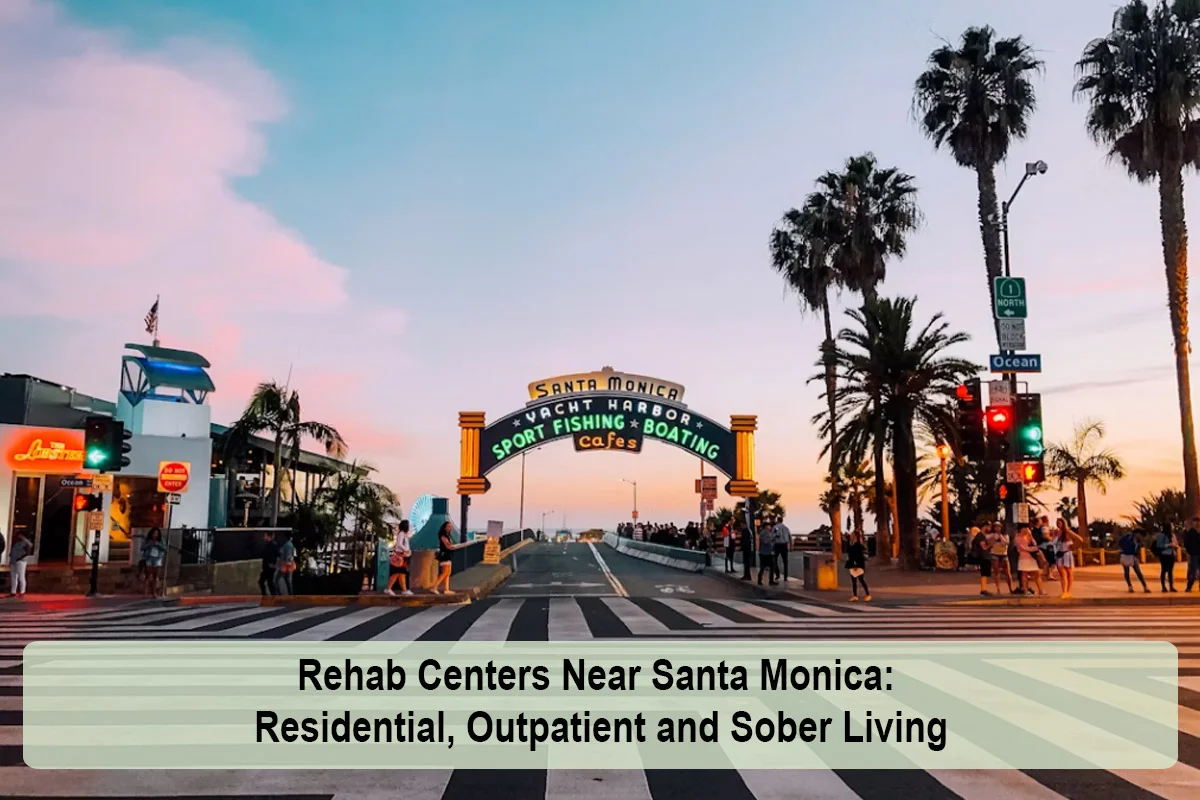
Santa Monica has long been one of the busiest recovery communities in Southern California. On any given day, the city and its Westside neighbors host a steady stream of support group meetings, outpatient programs, sober living homes, and people building new lives after treatment. What Santa Monica has less of is large residential rehab campuses. Most people from Santa Monica who need residential care go a short drive up the Pacific Coast Highway to Malibu or into the hills, then come back to the Westside for outpatient care and sober living. This guide maps that path: where residential programs near Santa Monica are, how the local step-down ecosystem works, and what to check before choosing.
It helps to think of treatment near Santa Monica as three layers:
Many people move through all three. A typical path might include detox and 30 to 60 days of residential care in Malibu, followed by intensive outpatient treatment and several months of sober living closer to Santa Monica.
The following programs are listed on RehabsNearMe.ai and are within reach of Santa Monica. Drive times assume moderate traffic and can be much longer during peak hours or when the Pacific Coast Highway is congested.
| Area | Examples of Listed Programs | Approximate Drive from Santa Monica |
|---|---|---|
| Santa Monica and Pacific Palisades | Start Up Recovery | Local to 15 minutes |
| Malibu | Cliffside Malibu, Seasons in Malibu, Passages Malibu, The Meadows Malibu, Avalon Malibu, Serenity Malibu, Oceanside Malibu, Carrara Treatment Malibu, Amend, Rise in Malibu, Oro House, The Pointe Malibu | 20 to 45 minutes along the coast |
| Beverly Hills | Bridges to Recovery, Safe Haven Recovery, 90210 Recovery | 20 to 30 minutes |
| Hollywood Hills | Hollywood Hills Recovery, Ritz Recovery, Bliss Recovery | 30 to 45 minutes |
You can browse the full Malibu cluster on our Malibu rehab directory, and our guide to Malibu rehab costs explains what to expect financially.
One program with a direct Santa Monica connection is Start Up Recovery, founded in 2017 and licensed by the California Department of Health Care Services. According to its listing, clients live in furnished residences or private apartments in Santa Monica, with the primary residence about three blocks from the beach, and are transported to a separate wellness center for treatment. The program typically runs 90 days or longer and serves executives, creatives, athletes, and young adults. A distinctive feature is a mentorship network of more than 100 professionals with lived recovery experience, matched to clients by career path. Its listing notes an approximate cost range of $15,000 to $75,000.
The January 2025 Palisades Fire caused widespread destruction in Pacific Palisades and parts of Malibu. Some treatment programs and sober living homes in the area were affected, and some may have relocated or changed operations. Before choosing any program in Pacific Palisades or Malibu, confirm the current address where you or your loved one will actually stay, and verify that the program's state license applies to that location.
Santa Monica's strength is not residential beds but what comes after. Several features make the Westside a practical place to continue recovery:
Intensive outpatient programs are the most common bridge between residential care and independent living. Our article on stepping down from PHP to IOP explains what that transition looks like.
Sober living is a big part of the Santa Monica recovery landscape, and quality varies widely. Before choosing a recovery residence, ask:
For more on how long to stay and what the research says, see our guides on sober living homes and how long to stay in sober living.
Santa Monica's beaches, the Third Street Promenade, and its bar and restaurant scene are part of what makes the city attractive. They can also be a source of triggers in early recovery. People returning from residential treatment should plan carefully around social settings and know which places to avoid during the first months.
Housing costs on the Westside are among the highest in the country, and that affects the price of sober living. Budget for several months of recovery housing, not just the residential program itself.
Santa Monica, like much of Los Angeles County, has a significant unhoused population. Community health centers such as Venice Family Clinic, which operates sites in Santa Monica and Venice, offer substance use treatment and street medicine regardless of income or insurance. Our guide to rehab centers near Venice Beach covers these community-based options in more detail.
For many people, intensive outpatient treatment is the main event rather than an afterthought. A typical Westside IOP involves about three hours of programming three to five days a week, combining group therapy, individual sessions, relapse prevention skills, and psychiatric care when needed. Partial hospitalization programs are more intensive, usually running five to six hours a day, five days a week.
Outpatient care works best when it is paired with stable housing and a support network. People coming out of residential treatment often combine IOP with sober living for the first few months, then gradually reduce the intensity of both as their recovery strengthens. Evening IOP tracks allow people to return to work while continuing treatment. Our article on moving from IOP to outpatient therapy explains the final step in that progression.
Families play an important role in recovery, and the Westside's proximity to Malibu and Beverly Hills programs makes it easier for loved ones to attend family sessions and visitation days. Many residential programs offer family therapy, educational workshops, or multi-day family programs. Families can also benefit from their own support, such as Al-Anon, Nar-Anon, or a therapist familiar with addiction. Our guide on supporting a loved one in rehab offers practical guidance.
Many residential programs near Santa Monica accept commercial insurance, though network status varies widely and costs at luxury Malibu programs can be very high. Verify benefits before admission, ask whether the program is in network for the specific level of care, and request a written estimate. People with Medi-Cal can access treatment through the Los Angeles County public system by calling the county's Substance Abuse Service Helpline at 1-844-804-7500, as described in our guide to rehab centers near downtown Los Angeles.
Many people seeking treatment near Santa Monica are dealing with anxiety, depression, trauma, or burnout alongside substance use. When comparing programs, ask whether psychiatric care is provided on site, how often clients see a psychiatrist, and which evidence-based therapies are offered. If mental health symptoms are the primary concern, a mental-health-focused residential program, such as those in nearby Beverly Hills, may be a better fit than a traditional addiction program.
Santa Monica is about 20 to 30 minutes from Los Angeles International Airport in typical traffic. Families flying in for treatment can find arrival tips in our guide to rehab centers near LAX.
Santa Monica is less a place to find residential rehab than a place to build recovery around it. Residential care for Santa Monica residents usually happens in nearby Malibu, Pacific Palisades, or the hills of Beverly Hills and Hollywood, while the Westside offers a rich network of outpatient programs, sober living, and support meetings for the months that follow. Choose a residential program for its clinical quality, confirm current addresses in fire-affected areas, and plan the step-down path before discharge so the transition back to Santa Monica is supported from day one.
This article was reviewed by the RehabsNearMe Editorial Team for accuracy, clarity, and relevance. Information may be sourced from publicly available treatment resources, government agencies, and healthcare references where applicable.
Last reviewed: October 2026
Resources
 Resources
 Resources
 Resources