
 Resources
Positive Coping Skills for Teens: 44 Healthy Ways to Manage Stress
Published On 25-10-2026
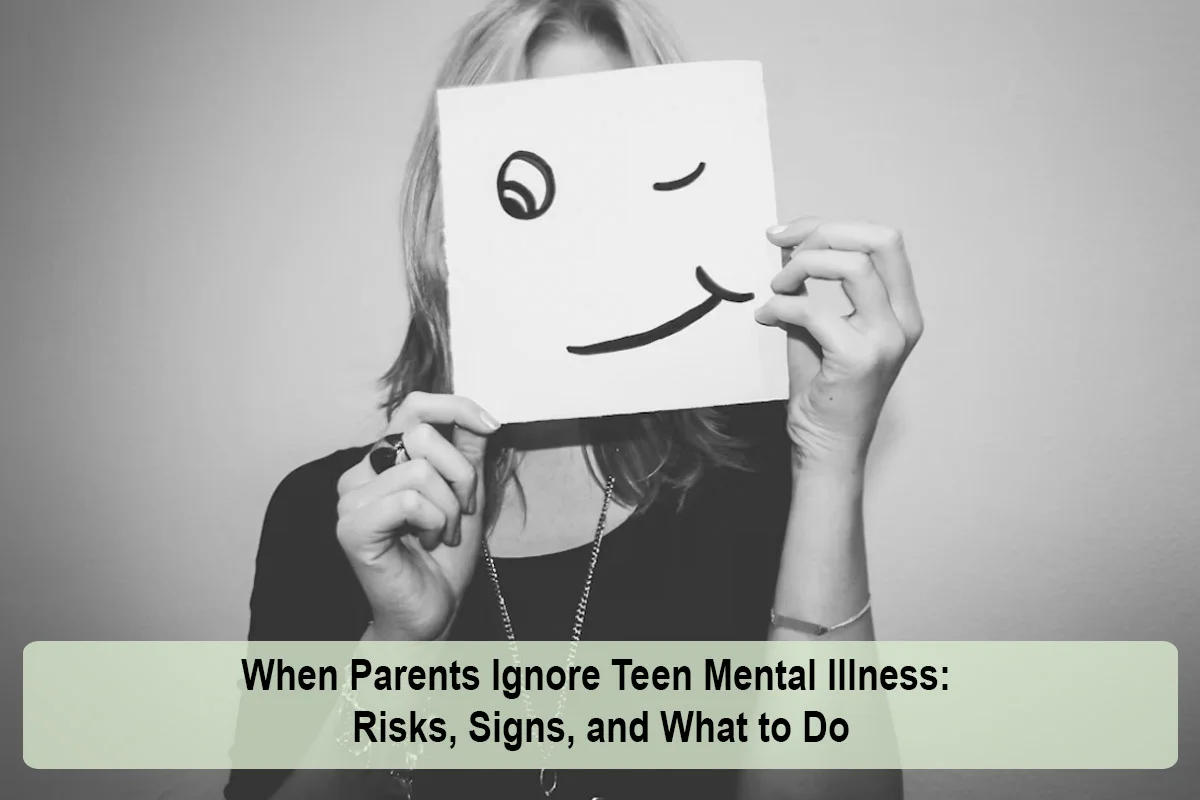
"It's just a phase." "All teenagers are moody." "You're just being dramatic." Many teens hear words like these when they try to tell their parents something is wrong. And many parents say them without realizing that their child is struggling with a real mental health condition. When parents ignore or dismiss teen mental illness, the consequences can be serious: symptoms worsen, problems at school and home grow, and some teens turn to substances or self-harm to cope. This guide explains why parents sometimes miss or ignore signs of mental illness, what happens when mental health problems go untreated, common myths, how to recognize warning signs, how to start getting help, and what teens can do if their parents will not listen.
Mental health conditions are common in adolescence, and they often begin early. A summary of the National Comorbidity Survey Replication reported that half of all lifetime cases of mental illness begin by age 14, and three-quarters begin by age 24. The same research found that the median delay between when symptoms start and when a person first gets treatment was nearly a decade.
The National Institute of Mental Health estimates that 49.5% of adolescents have had a mental disorder at some point, and that 20.1% of adolescents ages 12 to 17 had a major depressive episode in 2021. Yet many do not get help. According to Healthy People 2030 data, only 40.0% of adolescents with a major depressive episode received treatment in 2021, rising to 50.7% in 2023. That still leaves about half of depressed teens without care.
Most parents who overlook mental health problems love their children deeply. They miss or dismiss symptoms for understandable reasons:
Ignoring symptoms rarely makes them go away. Untreated mental health conditions in teens can lead to:
The CDC's 2023 Youth Risk Behavior Survey found that 39.7% of high school students felt persistently sad or hopeless. Learn more in our guide on what happens if depression is left untreated.
| Myth | Fact |
|---|---|
| "It's just a phase." | Normal moodiness comes and goes. Symptoms that last two weeks or more and affect daily life need attention. |
| "Teens can't really be depressed." | Depression is common in teens and is a real medical condition. |
| "Talking about suicide will put the idea in their head." | Asking directly about suicide does not increase risk and can open the door to help. |
| "They're just seeking attention." | A teen who is reaching out needs attention. Taking it seriously is the safest response. |
| "Good parents don't have kids with mental illness." | Mental illness is influenced by genetics, brain chemistry, stress, and life events. It can affect any family. |
| "They'll grow out of it." | Many conditions persist or worsen without treatment, while early help improves outcomes. |
| "Therapy is only for serious problems." | Early support can prevent problems from becoming serious. |
The last three signs need immediate action. Call or text 988 or call 911 if your teen is in danger.
| Typical Teen Behavior | Possible Mental Health Concern |
|---|---|
| Moody at times, but mood shifts | Sad, irritable, or empty most days |
| Wants more privacy | Isolates from almost everyone |
| Stays up late on weekends | Cannot sleep, or sleeps most of the day |
| Changes interests | Loses interest in nearly everything |
| Occasional bad grade | Steady decline or school refusal |
| Normal worries about tests or friends | Worry that interferes with daily life |
Many parents feel guilty when they realize their teen has been struggling for a while. Guilt is understandable, but it does not have to stop you. What matters most is what you do now. You might say: "I think I didn't take what you were going through seriously enough, and I'm sorry. I want to understand and help." Teens often respond powerfully to a parent who admits a mistake and shows up differently.
If you are a teen who has tried to tell your parents you are struggling and felt brushed off, your feelings are real and you deserve help. Here are some options:
Sometimes one parent sees a problem while the other insists nothing is wrong. Try sharing specific observations rather than conclusions, such as "She has missed eight days of school this month and stopped eating dinner with us." Suggest a neutral first step, like a checkup with the pediatrician, which can feel less threatening than a psychiatric evaluation. A doctor's or school counselor's perspective can help a reluctant parent see the situation more clearly.
Teen mental health conditions are highly treatable. Options include cognitive behavioral therapy, dialectical behavior therapy, family therapy, medication when appropriate, and higher levels of care such as an intensive outpatient program or residential treatment when symptoms are severe. Programs that emphasize family involvement help parents learn how to support their teen at home. Browse programs on our adolescent treatment page, including Nexus Teen Academy in Scottsdale and Polaris Teen Center in Tarzana.
Parents often miss or dismiss teen mental illness because of stigma, fear, guilt, cultural beliefs, or because symptoms look like normal teenage moodiness. But half of all lifetime mental illness begins by age 14, and many teens with depression never receive treatment. Untreated conditions can lead to school failure, substance use, self-harm, and lasting problems. Learn the warning signs, take your teen's concerns seriously, ask directly about safety, and get professional help early. And if you are a teen whose parents will not listen, keep reaching out to other trusted adults until someone does.
This article was reviewed by the RehabsNearMe Editorial Team for accuracy, clarity, and relevance. Information may be sourced from publicly available treatment resources, government agencies, and healthcare references where applicable.
Last reviewed: October 2026
Resources
 Resources
 Resources
 Resources