
 Resources
Positive Coping Skills for Teens: 44 Healthy Ways to Manage Stress
Published On 25-10-2026
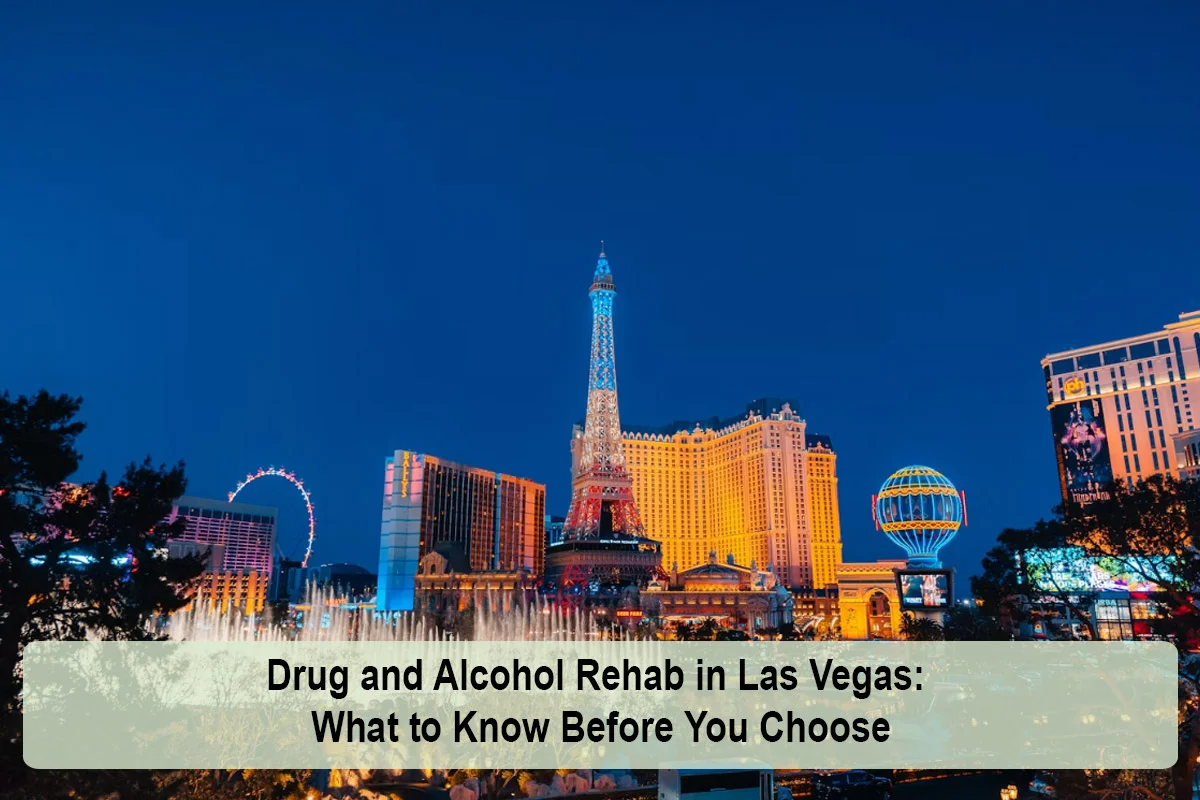
Las Vegas is built around a promise that the party never stops. The casinos do not close, drinks often arrive free at the tables, and much of the local economy runs on night shifts in hospitality, gaming, and entertainment. That environment shapes how addiction develops here and what effective treatment needs to address. This guide explains the current drug landscape in Southern Nevada, what to look for in a Las Vegas rehab program, how gambling problems often intersect with substance use, and when it makes sense to stay local versus leave the city for treatment.
Southern Nevada's overdose picture has been moving in a different direction from much of the country. According to the Southern Nevada Health District, Clark County recorded 714 confirmed drug overdose deaths in 2025, an 11 percent decrease from 2024. That is real progress. But preliminary findings presented to the Health District's advisory board in July 2026 indicated that Nevada's overdose death rate had fallen only about 2.2 percent, compared with roughly 15.9 percent across the rest of the country.
Fentanyl is the main driver. The Health District reports that the age-adjusted rate of fentanyl-involved deaths in Clark County rose from 2.4 per 100,000 people in 2018 to 17.1 per 100,000 in 2025, an increase of 613 percent. The heaviest burden is concentrated in the 89101 ZIP code in and around downtown Las Vegas, where the 2025 overdose mortality rate reached 115 deaths per 100,000 residents.
Methamphetamine is the other major factor. In the same preliminary Health District research, 95 percent of people who reported using fentanyl also reported using methamphetamine. Health officials have warned that people who believe they are using only methamphetamine may unknowingly be exposed to fentanyl. This combination matters for treatment, because stimulant and opioid use disorders require different approaches, and programs need to address both.
Given how commonly fentanyl and methamphetamine are used together in Southern Nevada, any program you consider should be able to treat both. That means offering or supporting medication for opioid use disorder, such as buprenorphine or methadone, while also using evidence-based approaches for stimulant use. Contingency management, which provides structured incentives for negative drug tests, is currently the most effective behavioral treatment for methamphetamine use disorder. Our guide to contingency management explains how it works.
Alcohol is woven into Las Vegas life in a way that is unusual even by American standards. Bars and casinos operate around the clock, and many service industry workers are surrounded by alcohol every shift. Treatment for people who live and work here needs to include very concrete planning for returning to that environment, whether that means changing roles, changing employers, or building strong support around the workplace.
A large share of Las Vegas residents work nights, swing shifts, or rotating schedules. Disrupted sleep is both a trigger for substance use and a symptom of withdrawal and early recovery. Ask whether outpatient programs offer sessions that fit graveyard or swing schedules, and whether the clinical team addresses sleep directly.
Gambling disorder and substance use disorders frequently occur together. They share underlying patterns, including reward-seeking, loss of control, and continuing despite harm, and one often fuels the other. A person may drink to cope with gambling losses, or gamble more impulsively while intoxicated. In Las Vegas, where gambling is available in grocery stores and gas stations, this overlap is especially common.
Nevada has a long history of gambling treatment. The state's first professional problem gambling program was established in Las Vegas in 1986, and Nevada created a dedicated Problem Gambling Fund in 2005 to support state-funded treatment. Today, the Dr. Robert Hunter International Problem Gambling Center in Las Vegas is a state-funded program that offers individual and group counseling, intensive outpatient treatment, and family services. According to the Nevada Council on Problem Gambling, it charges a $10 copay per session but will not turn anyone away, and it assesses for and treats co-occurring mental health and substance use disorders.
If gambling is part of the picture, tell any substance use program about it during assessment, and ask whether they can treat both or coordinate with a certified problem gambling counselor. The confidential Problem Gamblers HelpLine is available at 1-800-522-4700. For residential gambling treatment, one option within driving distance is Algamus Gambling Recovery Center in Goodyear, Arizona. Our article on sports betting and gambling addiction covers warning signs and treatment approaches.
RehabsNearMe.ai does not currently list Las Vegas facilities in its directory, so families need to do their own vetting. These questions help separate solid programs from weaker ones.
You can also search licensed programs by location and service type through the federal FindTreatment.gov directory, or call the SAMHSA National Helpline at 1-800-662-4357 for free, confidential referrals.
One of the most important decisions for Las Vegas residents is whether to get treatment locally or go somewhere else.
Many Las Vegas residents look to Southern California and Arizona, both within a day's drive. The Palm Springs area, about four hours away, includes Betty Ford Center in Rancho Mirage and Banyan Palm Springs in Cathedral City. The Phoenix and Scottsdale area, about five hours away, has a large cluster of programs. A common approach is residential treatment out of town, followed by outpatient care back in Las Vegas.
Residential treatment typically lasts weeks. Recovery in Las Vegas has to work for years, in a city where alcohol and gambling are part of the scenery. That makes the support structure after treatment especially important.
Most people do best when residential treatment is followed by partial hospitalization or intensive outpatient care, then standard outpatient therapy. Each step reduces structure gradually while the person practices recovery skills in real life. Ask any residential program, whether in Las Vegas or out of state, to schedule the first outpatient appointment before discharge rather than handing over a list of phone numbers.
Las Vegas has a large recovery community, with 12-step meetings such as Alcoholics Anonymous and Narcotics Anonymous held throughout the valley at nearly every hour, which suits people working nights and swing shifts. SMART Recovery and other secular options are also available, along with Gamblers Anonymous for people whose gambling is part of the picture. Trying several meetings before settling on a home group is normal.
For people whose home environment is unstable or closely tied to their use, a period in recovery housing after treatment can make a significant difference. Ask whether a residence follows recognized national standards, how it handles medications for opioid use disorder, and whether it has any financial relationship with the treatment program that referred you.
Families in Las Vegas often carry the financial damage of combined gambling and substance problems, from drained savings to debt and legal issues. Family therapy and education help rebuild trust and set clear boundaries. Gam-Anon and Al-Anon offer peer support specifically for family members.
Nevada Medicaid covers substance use treatment, including outpatient care, medication for addiction treatment, and certain residential and withdrawal management services through enrolled providers. People with commercial insurance should verify benefits carefully, since networks vary widely. Our guide to verifying insurance benefits for rehab explains the questions to ask. Many casino and hospitality workers have coverage through union health plans, such as the Culinary Health Fund, which has its own behavioral health benefits. Contact your plan directly to learn which programs are in network.
If someone is overdosing, unresponsive, or having a seizure, call 911. Naloxone can reverse an opioid overdose, and the Southern Nevada Health District offers naloxone and fentanyl test strips at its pharmacies. For a mental health crisis, call or text 988.
Las Vegas presents a specific set of challenges: a 24-hour alcohol and gambling culture, widespread fentanyl and methamphetamine co-use, and overdose rates that have improved more slowly than the national average. Effective treatment here needs to address polysubstance use, offer medication for opioid use disorder, take gambling seriously, and plan carefully for returning to a city built around temptation. Whether you choose a local program or travel to California or Arizona, ask detailed questions about licensing, medical care, and the plan for life after discharge.
This article was reviewed by the RehabsNearMe Editorial Team for accuracy, clarity, and relevance. Information may be sourced from publicly available treatment resources, government agencies, and healthcare references where applicable.
Last reviewed: October 2026
Resources
 Resources
 Resources
 Resources