
 Resources
Teen Destroying Property at Home: Is It a Mental Health Crisis?
Published On 18-10-2026
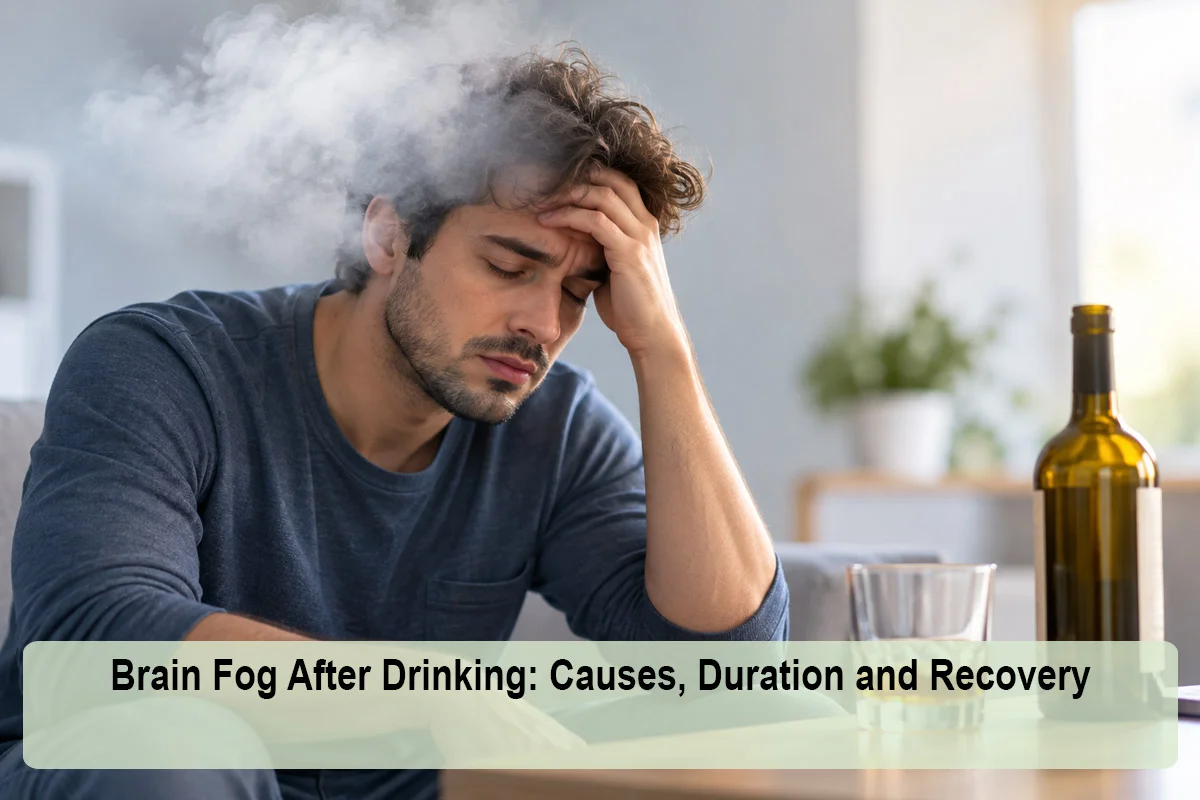
Brain fog after drinking is that slow, cloudy feeling where words take longer to find, focus slips, and simple tasks feel heavier than they should. For some people it lasts a morning after a big night out. For others, it lingers for weeks after they stop drinking altogether. This guide explains what causes alcohol brain fog, how long it typically lasts in each situation, what actually helps you recover, and the warning signs that mean it is something more serious than a hangover.
Brain fog is not a medical diagnosis. It is a common description for a cluster of thinking problems: slower processing, trouble concentrating, poor short-term memory, mental fatigue, and difficulty following conversations or making decisions. When it follows drinking, it usually falls into one of three patterns:
Each has different causes and a different timeline, so it helps to know which one you are dealing with.
Many people assume that once alcohol leaves the bloodstream, they are back to normal. Research says otherwise. A 2018 systematic review in the journal Addiction, led by researchers at the University of Bath, examined 19 studies of people tested during a hangover, with blood alcohol at or near zero. The review found that sustained attention and driving ability were impaired during hangover, with additional evidence of slower psychomotor speed and weaker short- and long-term memory. In other words, the brain fog you feel the morning after is measurable, even when no alcohol remains in your system.
For most people, next-day brain fog fades within about 24 hours as sleep, hydration, and normal brain chemistry return. After very heavy drinking or several days in a row, it can last longer. Because attention and reaction time can remain impaired even when you feel mostly fine, it is wise to avoid driving or safety-critical work until you are fully recovered. Our guide on how long alcohol stays in your system explains why feeling sober and being unimpaired are not the same thing.
Many people are surprised to find that their thinking gets foggier, not clearer, in the first days or weeks after they stop drinking. This is common and usually temporary.
Long-term heavy drinking changes how the brain works. Alcohol enhances the calming neurotransmitter GABA and suppresses the excitatory neurotransmitter glutamate. Over time, the brain adapts by turning down GABA activity and turning up glutamate. When alcohol is removed, the brain is temporarily left in an overexcited, unbalanced state. That can cause anxiety, irritability, poor sleep, and difficulty concentrating while the brain recalibrates.
Sleep is a major factor. Insomnia is very common after quitting alcohol and can last for weeks or months. Poor sleep alone can produce significant brain fog. Mood changes, including depression and anxiety, also affect concentration and memory.
Some people experience lingering symptoms after acute withdrawal ends, sometimes called post-acute withdrawal syndrome (PAWS). These can include difficulty concentrating, memory problems, low energy, sleep disturbance, and mood swings that come and go in waves. Symptoms often improve gradually, though they can flare during stress.
There is no single timeline, but a general pattern is common:
| Time Since Last Drink | What Many People Notice |
|---|---|
| First few days | Withdrawal symptoms; fog, anxiety, and poor sleep are often worst |
| Weeks 1 to 4 | Gradual improvement; concentration and sleep begin to recover but may still be uneven |
| Months 1 to 3 | Many people report noticeably clearer thinking, though focus may come and go |
| Months 3 to 12 | Continued recovery, especially for people who drank heavily for years |
Brain imaging research has shown that some alcohol-related brain changes begin to reverse within weeks of abstinence, and cognitive functions such as memory, attention, and problem solving often continue improving over months. Recovery tends to be slower and less complete for people who drank very heavily for many years, are older, or have other health conditions. Our article on how long it takes to rewire the brain from addiction covers this process in more depth.
Years of heavy drinking can cause lasting cognitive problems, sometimes called alcohol-related brain damage or alcohol-related cognitive impairment. This can affect planning, memory, impulse control, and learning new information. Contributing factors include the direct toxic effects of alcohol, poor nutrition, repeated withdrawal episodes, head injuries from falls, and liver disease, which can allow toxins to build up and affect the brain.
The most serious nutritional cause is thiamine (vitamin B1) deficiency, which can lead to Wernicke-Korsakoff syndrome, often called wet brain. This is a medical emergency in its early stage and can cause permanent memory loss if not treated. Our guide to wet brain syndrome explains the symptoms, stages, and treatment.
Brain fog is not always caused by drinking, even in people who drink. Several other common conditions can produce similar symptoms or make alcohol-related fog worse:
If brain fog persists for more than a few weeks after you stop or significantly reduce drinking, a medical checkup can identify or rule out these other causes.
Seek medical care promptly if brain fog after drinking comes with any of the following:
Confusion, unsteadiness, and eye movement problems in someone who drinks heavily can be signs of Wernicke's encephalopathy and need urgent treatment. Severe withdrawal symptoms such as seizures or hallucinations also require emergency care.
There is no supplement or hack that instantly clears brain fog. What helps is giving the brain the conditions it needs to heal.
This is the foundation. If brain fog follows most drinking episodes, or if it is persistent, reducing or stopping alcohol is the most effective step. If you drink heavily every day, do not stop suddenly without medical advice, because alcohol withdrawal can be dangerous. Our article on why alcohol withdrawal can require medical supervision explains the risks.
Keep consistent sleep and wake times, limit screens before bed, and keep caffeine to the morning. If insomnia persists, cognitive behavioral therapy for insomnia (CBT-I) is effective and does not rely on sedating medications.
Regular meals with protein, whole grains, fruits, and vegetables support brain recovery. People who have been drinking heavily should talk to a doctor about thiamine and other vitamin levels, since deficiencies are common and treatable.
Water does not cure brain fog, but dehydration makes it worse.
Regular physical activity improves sleep, mood, and cognitive function, and it is one of the best-supported ways to support brain health.
Reading, puzzles, learning a skill, and social conversation all help rebuild mental stamina. Start small and be patient on foggy days.
Depression and anxiety are common in early recovery and can look a lot like brain fog. If low mood or worry persists for more than a few weeks after quitting, talk to a clinician.
If you regularly lose mornings to brain fog, notice your memory slipping, or feel your work and relationships suffering, those are signs that alcohol is taking a real toll. Treatment for alcohol use disorder addresses more than drinking itself. It includes nutrition, sleep, cognitive recovery, and mental health. Our guide to what alcohol rehab actually treats explains the full scope of care.
Brain fog after drinking is real and measurable. The day after heavy drinking, attention, reaction time, and memory can be impaired even with no alcohol left in the blood, usually improving within about a day. After quitting, brain fog often worsens briefly before improving over weeks to months, with continued recovery possible over the first year. Sleep, nutrition, exercise, and time are the most reliable tools. Confusion, unsteady walking, or eye movement problems in a heavy drinker are emergencies, not brain fog, and need immediate medical care.
This article was reviewed by the RehabsNearMe Editorial Team for accuracy, clarity, and relevance. Information may be sourced from publicly available treatment resources, government agencies, and healthcare references where applicable.
Last reviewed: October 2026
Resources
 Resources
 Resources
 Resources