
 Resources
Teen Destroying Property at Home: Is It a Mental Health Crisis?
Published On 18-10-2026
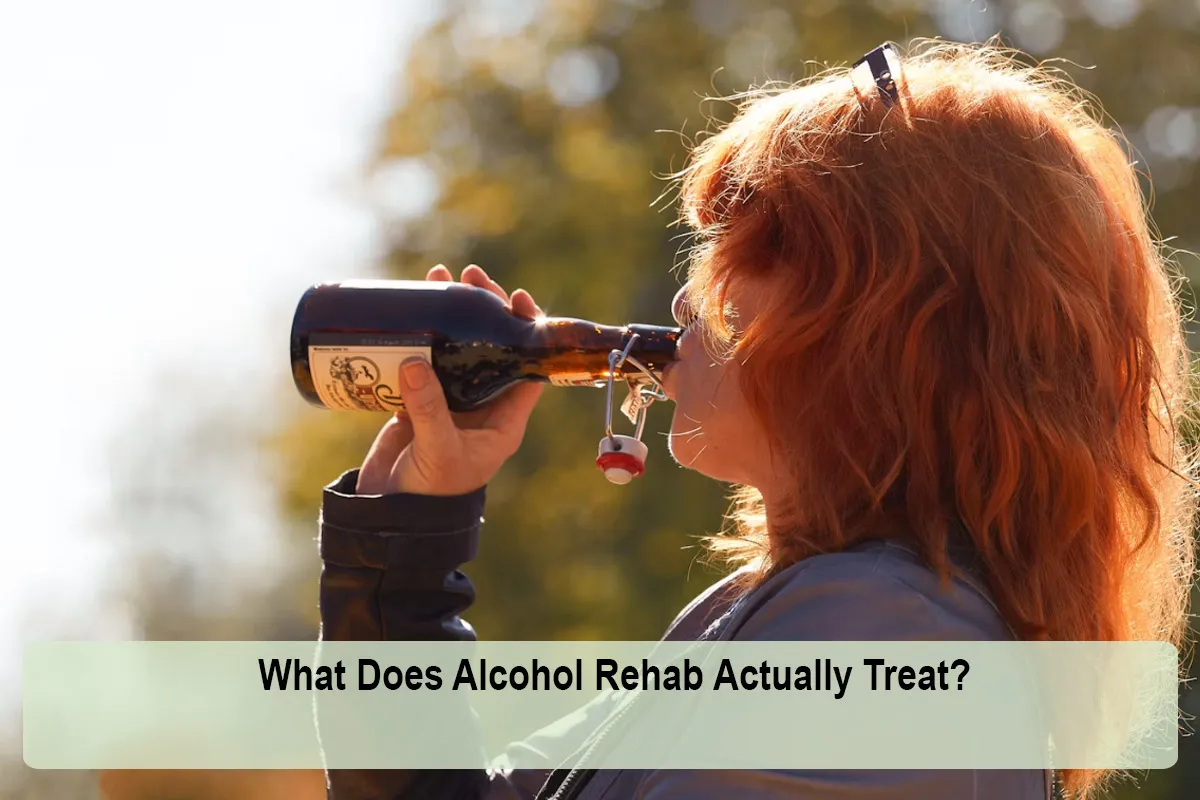
Most people assume alcohol rehab treats one thing: drinking. The goal, they imagine, is to stop, and everything else is support. In practice, good alcohol treatment addresses a much wider range of problems, many of which the person may not even know they have. Years of heavy drinking affect sleep, nutrition, the liver, the brain, mood, blood pressure, and relationships. Some of those effects drive the urge to drink again. Others are medical risks that need attention whether or not the person relapses. This guide lays out what alcohol rehab actually treats, so you can judge whether a program covers the full picture.
If you are still deciding whether drinking has reached the level of a disorder, start with our guide to when drinking becomes alcohol use disorder. This article assumes treatment is on the table and focuses on what happens inside it.
The first thing alcohol treatment addresses is the body's reaction to stopping. Alcohol withdrawal ranges from shakiness, sweating, anxiety, and insomnia to seizures and delirium tremens, which can be fatal without medical care. Rehab programs with detox services assess withdrawal risk, monitor symptoms with standardized scales, and use medications to keep the process safe. We cover the details in our article on why alcohol withdrawal can require medical supervision.
Withdrawal is only the first few days, though. The rest of this list is where treatment spends most of its time.
Heavy drinking interferes with how the body absorbs and uses nutrients. Alcohol replaces food calories, irritates the digestive tract, and impairs the liver's ability to store vitamins. The most important deficiency is thiamine, also known as vitamin B1.
Thiamine deficiency can cause Wernicke's encephalopathy, a medical emergency that affects the brain and can lead to confusion, unsteady walking, and eye movement problems. If untreated, it can progress to Korsakoff syndrome, a lasting memory disorder. Wernicke's is frequently missed because many patients do not show all of its classic signs. For that reason, well-run alcohol treatment programs give thiamine routinely, often before any glucose is administered, rather than waiting for symptoms to appear.
Programs also commonly check and correct magnesium, folate, and other nutrient levels, and address the poor eating patterns that often accompany heavy drinking. Nutrition counseling is a real part of treatment, not a luxury extra.
Alcohol affects nearly every organ system. A thorough admission assessment will look for the most common medical consequences:
Rehab programs are not liver clinics, and people with advanced liver disease need specialist care from a hepatologist. But the program should identify these problems, begin basic management, and coordinate referrals so nothing is missed after discharge.
Sleep problems are one of the most underestimated parts of alcohol recovery. Many people drink partly to fall asleep. Alcohol does make people drowsy, but it fragments sleep later in the night and suppresses deep restorative stages. When drinking stops, insomnia often gets worse before it gets better, and it can persist for months.
This matters because poor sleep in early recovery is associated with a higher risk of returning to drinking. Good programs address sleep directly using behavioral approaches such as cognitive behavioral therapy for insomnia (CBT-I), sleep hygiene education, and careful medication decisions. They also avoid routinely prescribing sedatives that carry their own dependence risk.
Many people notice that their memory, concentration, and decision-making are not as sharp as they used to be. This is common. Long-term heavy drinking can cause alcohol-related cognitive impairment, affecting attention, planning, impulse control, and learning new information.
The encouraging news is that much of this improves with sustained abstinence, often over months. In the meantime, programs adapt treatment to account for it. That can mean simplifying written materials, repeating key concepts, using practical skill-building rather than abstract discussion, and assessing cognition formally when problems seem significant. People who struggle to absorb information in the first weeks of treatment are not failing. Their brain is recovering.
Depression and anxiety are extremely common among people with alcohol use disorder. A key question for clinicians is whether these symptoms are caused by drinking or exist independently.
Alcohol is a depressant, and heavy use can produce depression and anxiety that improve significantly within a few weeks of abstinence. Other people have an independent condition that predates their drinking and needs its own treatment. Programs often observe mood for a period after withdrawal before making long-term diagnostic decisions, while still treating severe symptoms and suicide risk immediately. Our guides on treating depression alongside substance use disorder and treating anxiety alongside addiction explain these distinctions in depth.
Trauma, PTSD, bipolar disorder, and ADHD also commonly occur alongside alcohol use disorder. A program that can assess and treat these conditions in an integrated way will usually produce better outcomes than one that treats drinking alone.
This is the core of alcohol treatment, and it has two main tools: therapy and medication.
Evidence-based approaches include cognitive behavioral therapy, which helps people identify triggers and change thought patterns; motivational interviewing, which strengthens a person's own reasons for change; and relapse prevention training, which builds concrete plans for high-risk situations. Family involvement and mutual support groups, including 12-step and non-12-step options, add social support that extends beyond treatment.
There are three medications approved by the FDA for alcohol use disorder:
| Medication | How It Works | Key Considerations |
|---|---|---|
| Naltrexone (oral or monthly injection) | Reduces the rewarding effect of alcohol and cravings | Cannot be used with opioids; requires caution in advanced liver disease |
| Acamprosate | Helps stabilize brain chemistry disrupted by long-term drinking | Cleared by the kidneys, so often chosen when the liver is damaged; taken three times a day |
| Disulfiram | Causes an unpleasant reaction if alcohol is consumed | Works best with supervised dosing and strong commitment |
A major 2014 analysis in JAMA reviewing more than 100 clinical trials found that acamprosate and oral naltrexone both reduced return to drinking, with a number needed to treat of about 12 for acamprosate and about 20 for naltrexone. For context, those numbers compare favorably with many widely prescribed medications for other chronic conditions. Clinicians also sometimes use medications like gabapentin or topiramate off-label.
Despite this evidence, these medications are dramatically underused. An analysis of the 2019 National Survey on Drug Use and Health published in JAMA Psychiatry found that only about 1.6 percent of U.S. adults with alcohol use disorder received medication for it. When evaluating a program, ask directly whether it offers these medications and whether it helps patients continue them after discharge. A program that does not discuss medication at all is leaving a proven tool unused.
Alcohol use disorder rarely affects only one person. Spouses, children, parents, and close friends often develop their own patterns of coping, which can include enabling, anger, withdrawal, or codependency. Treatment that includes family therapy and education helps repair trust, set healthy boundaries, and prepare the home environment for the person's return. Evidence-based family approaches also improve the chances that the person stays engaged in treatment.
Recovery depends on the life a person returns to. Good programs address practical issues that affect relapse risk, including employment and return-to-work planning, legal issues such as DUI requirements, financial stress, housing stability, and building a daily routine that does not revolve around drinking. Case management and discharge planning often matter as much as therapy sessions.
It is also important to be realistic about limits. A residential or outpatient program cannot, on its own, cure advanced cirrhosis, reverse established Korsakoff syndrome, or resolve every long-standing mental health condition in 30 days. What it can do is stabilize the person, identify problems, start effective treatments, and connect them with ongoing care. Alcohol use disorder is a chronic condition for many people, and the best outcomes come from continued care after the initial program ends.
Alcohol rehab treats far more than drinking. It manages withdrawal, protects the brain with thiamine and nutrition, screens for liver and heart problems, addresses sleep and cognitive changes, evaluates co-occurring mental health conditions, reduces cravings with therapy and medication, involves families, and builds practical stability for life afterward. When comparing programs, look for one that treats the whole person rather than just the drink. You can explore programs through our alcohol treatment directory.
This article was reviewed by the RehabsNearMe Editorial Team for accuracy, clarity, and relevance. Information may be sourced from publicly available treatment resources, government agencies, and healthcare references where applicable.
Last reviewed: October 2026
Resources
 Resources
 Resources
 Resources