
 Resources
How Much Does Rehab in Malibu Cost? A Complete Guide to Mali...
Published On 04-02-2026
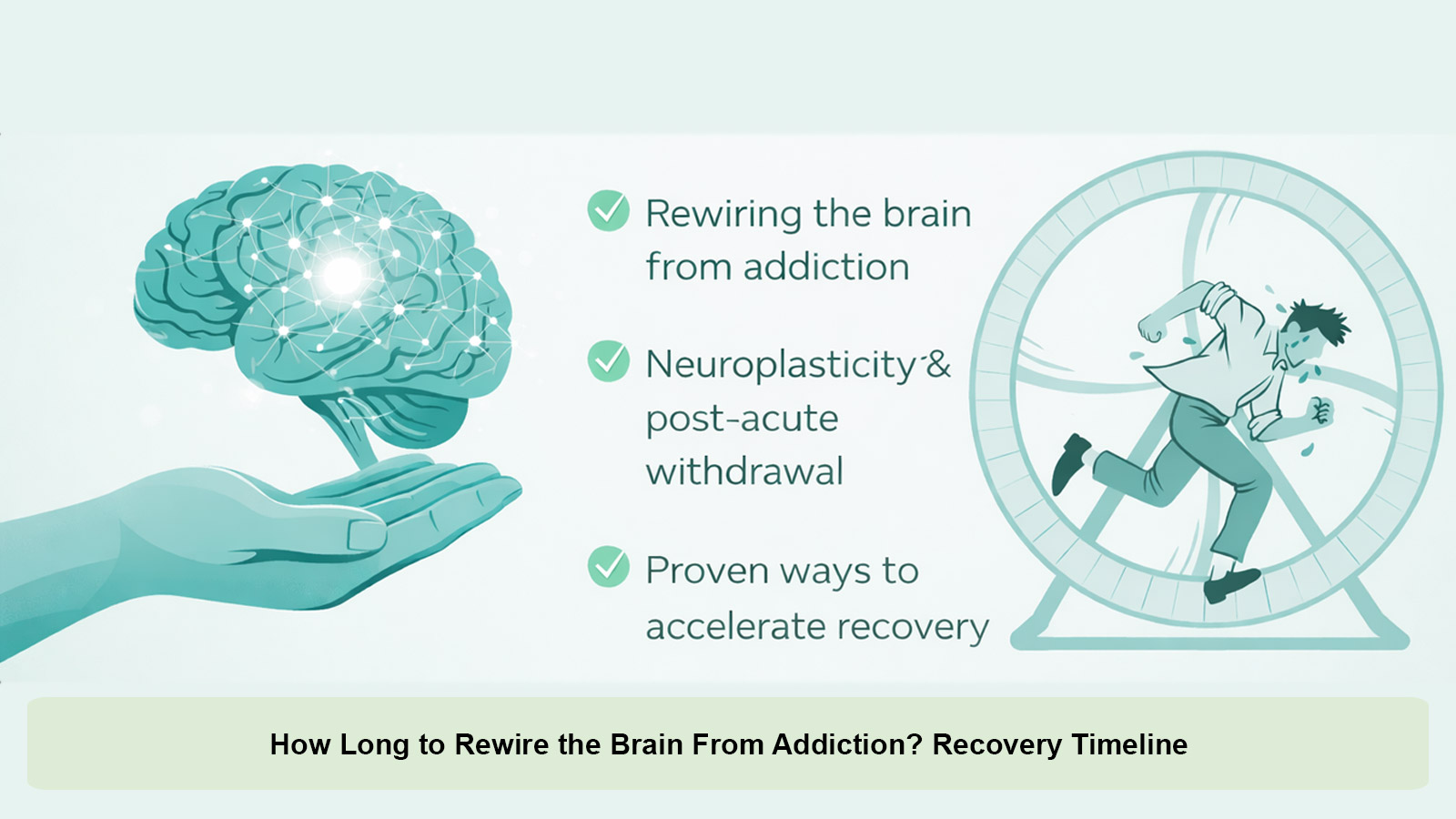
Rewiring the brain from addiction is real, and it’s one of the most important reasons long-term recovery is possible. Addiction changes brain circuits involved in reward, motivation, stress, learning, and self-control. Over time, those changes can make cravings feel automatic and make "normal" pleasures (sleep, relationships, food, hobbies) feel less rewarding.
The good news: the brain can heal through neuroplasticity, the brain’s ability to build new connections and strengthen healthier pathways. That healing begins quickly once substance use stops, but the full brain recovery timeline typically unfolds over months to 1+ years, depending on the person, the substance, and the level of support.
When people say "rewire the brain," they’re describing changes like:
Addictive substances can produce large dopamine surges that "teach" the brain to prioritize the drug over other rewards. With repeated use, the brain adapts, changing sensitivity and strengthening conditioned learning around cues and stress.
There’s no single clock that applies to everyone. Still, research supports a general pattern: early stabilization in weeks, major functional gains over months, and continued improvements across 12 months and beyond, especially with consistent treatment and lifestyle change.
In the first month, the brain and body are recalibrating without the substance. Many people experience:
This phase is where medical detox can matter most for safety and comfort especially with alcohol, benzodiazepines, and certain opioids, where withdrawal can be medically serious. (Clinical withdrawal definitions and guidance are outlined in federal clinical advisories.)
As abstinence continues, many people notice improvements in:
Some cognitive improvements can occur within weeks in alcohol recovery settings, though results vary by individual and severity.
This is also the stage when relapse risk can remain high because a person may feel better but still has vulnerability to stress, sleep issues, and triggers.
By this point, many clients report:
For alcohol use disorder, evidence suggests many neuropsychological domains show meaningful recovery over time, often across 6–12 months, especially in attention, executive functioning, perception, and memory (though not every domain recovers at the same pace).
This is where progress can feel substantial:
In alcohol-related brain recovery research, structural and cognitive improvements have been documented over months of abstinence, with meaningful changes observed in the 6–9 month range in MRI studies.
Other research summaries also suggest that after ~7 months of abstinence, brain thickness in many regions can look more similar to non-AUD controls, supporting the idea that substantial recovery is possible.
After a year, many people describe recovery as less of a "fight" and more of a new normal, especially with ongoing support. Brain healing can continue for years, and long-term recovery often includes:
Even after detox and early sobriety, some people experience lingering symptoms often called PAWS or protracted withdrawal that can come and go for weeks or months, depending on the substance and individual risk factors.
Common PAWS symptoms can include:
Clinical and recovery education resources describe PAWS/protracted withdrawal as a real phenomenon that can influence relapse risk if not recognized and managed.
The biggest variables are:
Therapy helps "rewire" thinking patterns and behaviors by repeatedly practicing new responses to triggers and stress. Neurobiology reviews emphasize that addiction involves learned behavioral loops and neuroplastic adaptations therapy targets those loops directly.
For opioid and alcohol use disorders, MAT can reduce cravings and relapse risk and help stabilize recovery so the brain can heal.
A stepped approach supports the most vulnerable windows:
Movement and balanced nutrition support mood regulation, stress reduction, and sleep which indirectly supports dopamine balance and neuroplasticity.
Mindfulness, breathing techniques, meditation, and healthy routines reduce stress load and help calm cue-reactivity.
Progress is often gradual. Common "green flags" include:
If someone is experiencing severe withdrawal symptoms, suicidal thoughts, hallucinations, seizures, or is at risk of overdose, treat it as urgent and seek immediate professional help.
Resources
 Resources
 Resources
 Resources