
 Resources
Teen Gives Up on School? Why It Happens and How to Help
Published On 25-10-2026
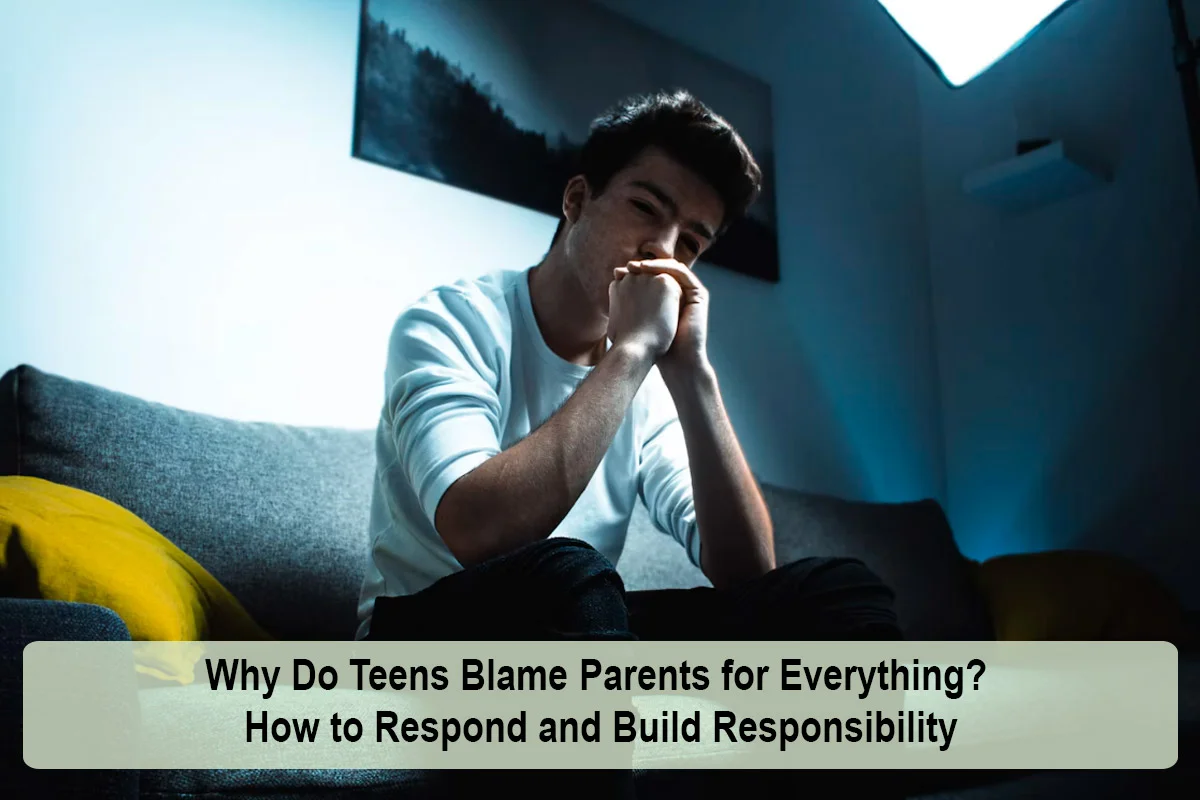
"It's your fault." "You ruined my life." "If you weren't so strict, this wouldn't have happened." If your teen blames you for everything, from bad grades and lost phones to friendship drama and their own bad moods, you are far from alone. Teens blaming parents for everything is one of the most frustrating patterns families describe, and it can leave parents feeling defensive, guilty, and worn down. This guide explains why teenagers blame their parents, when blame is part of normal development and when it signals something deeper, and practical ways to respond so your teen learns to take responsibility without the relationship turning into a constant battle.
Teens are building their identity and are extremely sensitive to feeling judged or inadequate. Admitting a mistake can feel like proof that they are not good enough. Blaming someone else, especially a parent, protects their self-esteem in the moment.
The National Institute of Mental Health notes in The Teen Brain: 7 Things to Know that the brain keeps developing into the mid to late 20s, and the regions involved in planning, judgment, and impulse control mature last. Seeing how their own choices led to a problem is a skill that develops gradually.
Teens know their parents will not leave them. Blaming a teacher, coach, or friend carries social risk. Blaming a parent feels safer, which is why home often gets the brunt of a teen's frustration.
Blame can be a way of saying "You are controlling my life" when a teen feels their need for independence is being blocked. If rules have not changed as a teen has matured, blame may be pointing at something worth revisiting.
Sometimes blame is simply a strategy to escape punishment or responsibility, especially if it has worked before.
Stress from school, friends, social media, or family changes can spill over. When teens feel overwhelmed, blaming someone else is easier than sitting with difficult feelings.
Children learn from what they see. If adults in the home often blame others, make excuses, or rarely apologize, teens may copy that style.
Persistent blaming can be part of conditions such as depression, anxiety, ADHD, or oppositional defiant disorder. The CDC lists "often blaming other people for one's own mistakes or misbehavior" as one of the symptoms of oppositional defiant disorder. Depression can also make teens see everything negatively, including their parents.
| Often Normal | May Signal a Deeper Issue |
|---|---|
| Blaming parents in the heat of the moment, then cooling off | Blaming others for everything, all the time, for six months or more |
| Admitting fault later when calm | Never taking responsibility, even with clear evidence |
| Blame mostly about rules or limits | Blame paired with anger, spite, or deliberate rule-breaking |
| Doing okay at school and with friends | Falling grades, conflict with teachers, or losing friends |
| Mood is generally stable | Persistent sadness, irritability, hopelessness, or withdrawal |
| Teen Says | Try Responding |
|---|---|
| "It is your fault I failed the test." | "That grade is really disappointing. What do you think would help next time?" |
| "You ruined my life." | "It sounds like you are really upset with me right now. I want to understand why." |
| "If you let me have my phone, I would not have forgotten." | "I hear you. Let's think about a system that helps you remember." |
| "You never let me do anything." | "Tell me what you would like more freedom with, and let's talk about how you can earn it." |
| "Everyone else's parents are cooler." | "I know our rules feel stricter. Here is why they matter to me." |
Some families find it helpful to build a short weekly check-in. Each person, including parents, names one thing that went well, one mistake they made, and what they will try differently next week. Keeping it brief and light makes owning mistakes feel normal rather than shameful. Over time, teens learn that everyone makes mistakes and that taking responsibility is a sign of maturity, not weakness.
Sometimes a teen's complaints point to something real: rules that are too strict for their age, a parent who is often distracted or stressed, frequent conflict between parents, or past hurts that were never repaired. Listening for the kernel of truth, even in an unfair accusation, can open the door to real change. You might say, "You are right that I have been short-tempered lately. I am working on that." Owning your part does not mean accepting blame for everything. It shows your teen that adults can take responsibility, too, which makes it easier for them to do the same.
Teens going through a divorce, remarriage, move, or other major change often direct blame at one or both parents. They may feel powerless and angry about decisions they had no say in. Acknowledge that the change is hard, avoid speaking negatively about the other parent, and give your teen choices where possible. Family therapy can help teens process these feelings in a safe space.
If you see these signs alongside blaming, it is time to involve a professional.
Being blamed constantly is exhausting and can make parents doubt themselves. Remember that your teen's words often reflect their own stress rather than a fair judgment of you. Talk with your partner, friends, other parents, or a counselor. The CDC's positive parenting tips for teenagers remind parents to stay involved, respect their teen's opinions, and keep communication open, which is easier when you are supported yourself.
Consider a therapist or adolescent program if blaming is constant and comes with anger, defiance, falling grades, substance use, or signs of depression or anxiety. Family therapy helps everyone break unhelpful patterns, while cognitive behavioral therapy can help teens notice blaming thoughts and build problem-solving skills. Read our guides on parenting a teen with ODD and when a teen suddenly hates the family, and browse programs on our adolescent treatment page, including Nexus Teen Academy in Scottsdale and Nexus Teen Academy in Cave Creek. For free referrals, call the SAMHSA National Helpline at 1-800-662-4357.
Teens blame parents for everything because they are protecting their self-esteem, still developing self-reflection skills, pushing for independence, avoiding consequences, or feeling overwhelmed, and because parents feel like the safest target. Stay calm, acknowledge feelings without accepting unfair blame, own your part when it is real, shift to problem-solving, and let natural consequences teach. When blaming is constant or tied to anger, defiance, or depression, professional support can help your teen learn responsibility and help your family reconnect.
This article was reviewed by the RehabsNearMe Editorial Team for accuracy, clarity, and relevance. Information may be sourced from publicly available treatment resources, government agencies, and healthcare references where applicable.
Last reviewed: October 2026
Resources
 Resources
 Resources
 Resources