
 Resources
Positive Coping Skills for Teens: 44 Healthy Ways to Manage Stress
Published On 25-10-2026
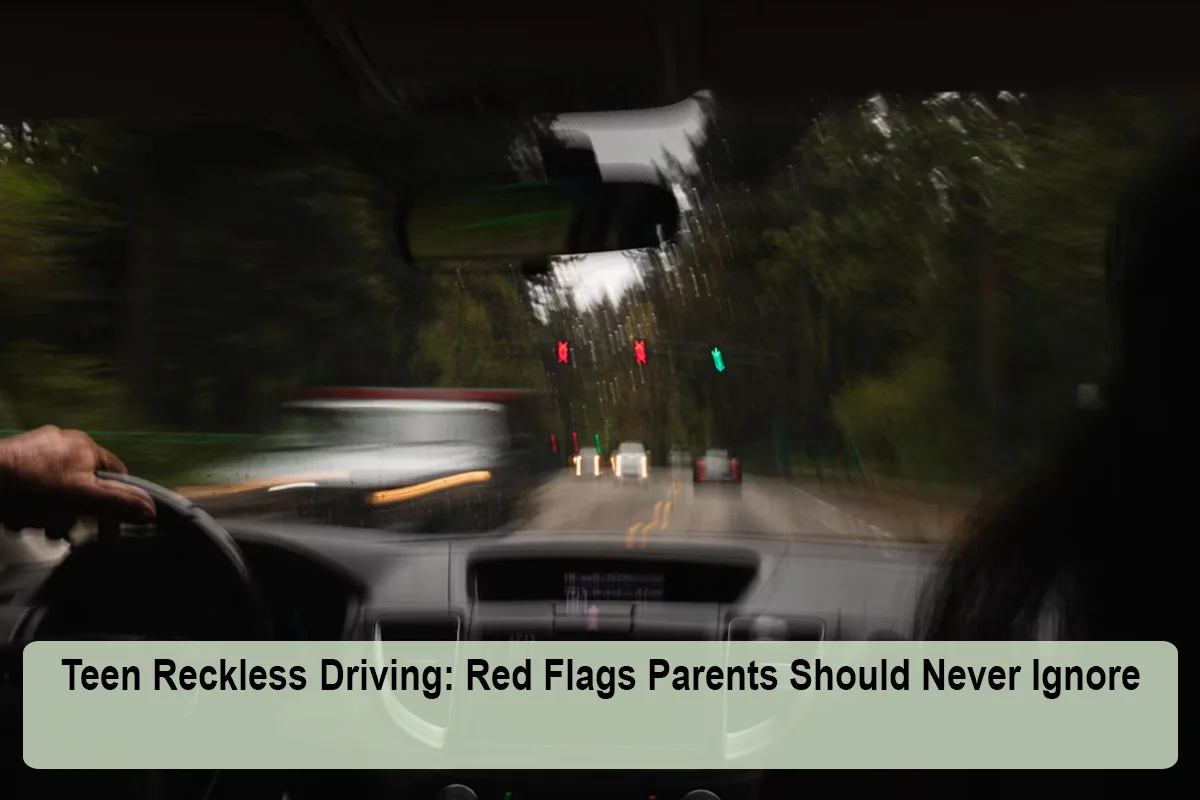
Handing your teen the car keys is a milestone, and a source of anxiety for most parents. When a teen starts speeding, texting while driving, racing friends, or coming home with unexplained dents, that anxiety turns into fear. Reckless driving is not just a rules issue. It is one of the biggest threats to teen safety, and it can also be a sign of deeper problems such as substance use, depression, ADHD, or risk-seeking linked to emotional distress. This guide covers the red flags of reckless teen driving, why some teens take dangerous risks behind the wheel, how to respond, how to set clear driving rules, and when reckless driving points to a need for professional help.
According to the CDC, about 2,800 teens ages 13 to 19 were killed and about 227,000 were injured in motor vehicle crashes in 2020. Teens ages 16 to 19 have a higher crash risk than any other age group, and their fatal crash rate per mile driven is almost three times that of drivers 20 and older. NHTSA data shows that in 2024, 752 teen drivers ages 15 to 18 died in crashes, and 2,320 people died in crashes involving a teen driver. Of the 478 passengers killed in teen drivers' vehicles, 59% were other teens.
The CDC identifies inexperience as a key risk factor. New drivers are less skilled at recognizing hazards and reacting quickly.
The National Institute of Mental Health explains in The Teen Brain: 7 Things to Know that the brain areas involved in judgment, planning, and impulse control mature last, while reward-seeking is strong during adolescence. This makes risky choices more tempting.
Teen passengers can increase distraction and pressure to show off, which is why many states limit passengers for new drivers.
Phones, music, and friends pull attention away from the road.
Driving under the influence of alcohol, cannabis, or other drugs is extremely dangerous. The CDC notes that driving while impaired by any substance, including cannabis, is dangerous and illegal. See our guide on what to do if your teen is smoking weed.
Teens with ADHD may be more distractible and impulsive behind the wheel. Treatment and extra practice can help.
Sometimes reckless driving is a sign that a teen is struggling emotionally. Depression, anger, trauma, or a sense of hopelessness can lead to dangerous risk-taking, and in some cases, reckless behavior can reflect not caring about personal safety. Learn more about depression and anger treatment.
| Normal New-Driver Mistakes | Reckless Driving Red Flags |
|---|---|
| Occasional hard braking or wide turns | Frequent speeding, racing, or aggressive driving |
| Minor parking scrapes | Repeated damage, crashes, or tickets |
| Nervousness on highways | Showing off or seeking thrills behind the wheel |
| Accepts feedback and improves | Ignores rules and repeats dangerous behavior |
| Follows license restrictions | Breaks curfew, passenger limits, or drives impaired |
A written parent-teen driving agreement can make expectations clear. Common rules include:
Make sure your teen knows they can call you for a ride, no questions asked in the moment, if they or their driver have been drinking or using drugs. Safety comes first, and you can talk later.
All states use some form of graduated driver licensing (GDL), which gives new drivers more privileges over time. GDL programs typically include a learner's permit stage with supervised driving, then an intermediate license with limits on nighttime driving and teen passengers, before full licensing. The CDC supports GDL as a way to reduce teen crash risk. Learn your state's rules and enforce them at home, even if your teen pushes back.
Teen passengers can increase distraction and peer pressure. NHTSA data shows that most passengers killed in teen drivers' vehicles are other teens. Discuss your rules about who can ride with your teen, and also talk about when your teen should refuse to ride with a reckless or impaired driver. Practice what they can say, such as "I'm going to get a ride from my mom," and remind them they can always call you.
Driving at night is riskier for new drivers because of reduced visibility, fatigue, and a higher chance of encountering impaired drivers. Teens are also often sleep-deprived, and drowsy driving slows reaction time much like alcohol. Set limits on late-night driving, especially in the first year, and encourage your teen never to drive when they are very tired.
If your teen is involved in a crash or near miss, first make sure everyone is safe and get medical care if needed. Later, talk calmly about what happened and what could be done differently. Avoid shaming, but use the experience as a teaching moment. A defensive driving course or additional supervised practice may help rebuild skills and confidence.
Teens learn by watching. Wear your seat belt, put your phone away, follow speed limits, and stay calm behind the wheel. Your habits send a stronger message than any lecture.
Consider riding along regularly during the first year of licensing to keep skills sharp and conversations open.
Seek help from a doctor or mental health professional if reckless driving comes with:
Reckless behavior combined with hopelessness can sometimes be a sign of suicidal thinking. If you are worried, ask your teen directly and call or text 988 for guidance. Cognitive behavioral therapy, dialectical behavior therapy, and family therapy can help teens manage impulsivity and emotions. Related guides include violent behavior in teen boys and where to send a defiant teenager. Browse programs on our adolescent treatment page, including Nexus Teen Academy in Scottsdale.
Keep talking about safe driving regularly, not just after a problem.
Motor vehicle crashes are a leading threat to teen safety, and teens ages 16 to 19 have the highest crash risk of any age group. Red flags of reckless driving include speeding, racing, phone use, skipping seat belts, breaking license restrictions, unexplained car damage, and impaired driving. Respond calmly but seriously, suspend privileges when needed, set clear written rules, use helpful tools, and model safe driving. When reckless driving comes with substance use, anger, or signs of depression, seek professional help.
This article was reviewed by the RehabsNearMe Editorial Team for accuracy, clarity, and relevance. Information may be sourced from publicly available treatment resources, government agencies, and healthcare references where applicable.
Last reviewed: October 2026
Resources
 Resources
 Resources
 Resources