
 Resources
Positive Coping Skills for Teens: 44 Healthy Ways to Manage Stress
Published On 25-10-2026
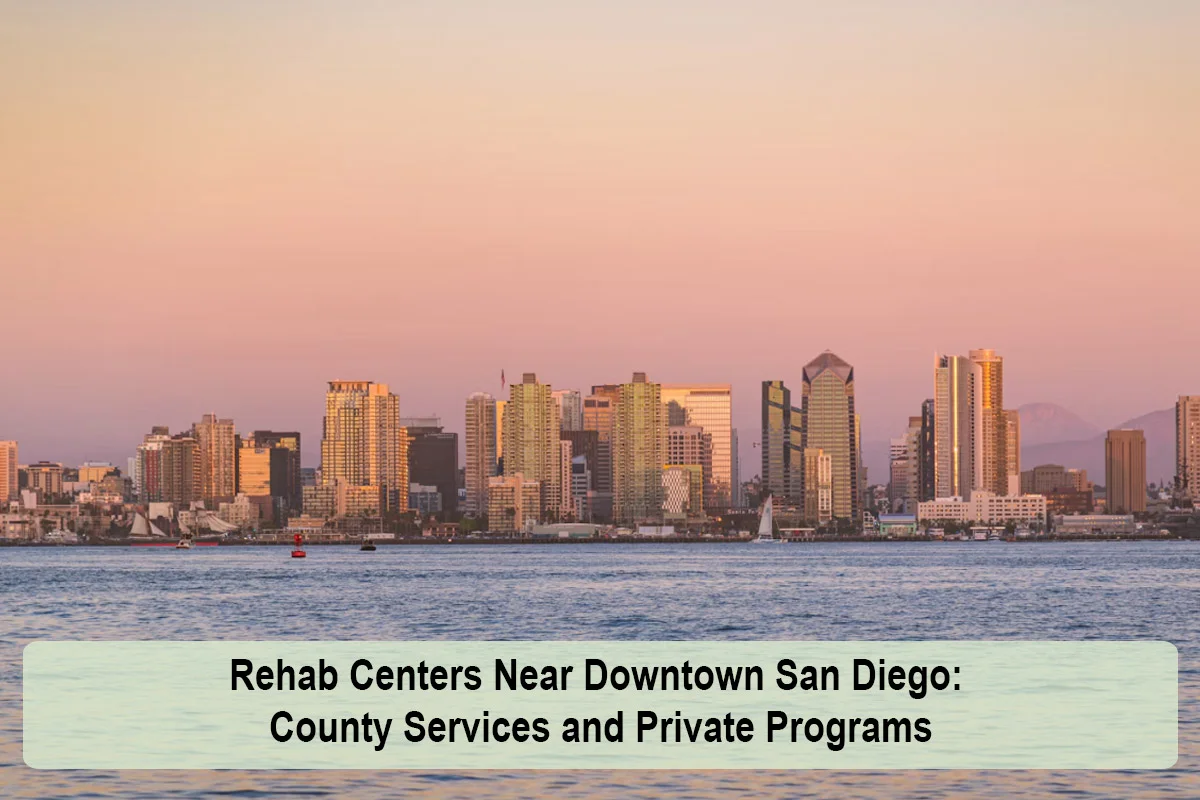
Downtown San Diego, from the Gaslamp Quarter and East Village to Little Italy and the waterfront, is where the county's tourism, nightlife, government, and homelessness services all meet. It is also the hub of San Diego County's public behavioral health system. For many people seeking rehab near downtown San Diego, the most important resource is not a specific facility but knowing how to get into the county system quickly, or how to choose among private programs a short drive away. This guide covers both, with a focus on the county's 24/7 Access and Crisis Line, how Medi-Cal treatment works in San Diego, and the nearest private residential options.
The County of San Diego operates the Access and Crisis Line at 888-724-7240. It is available 24 hours a day, 7 days a week, and offers support from experienced counselors on substance use, mental health, suicide prevention, and crisis intervention. Interpreters for more than 200 languages can be connected within seconds, and the line is a 988 Suicide and Crisis Lifeline partner.
The line serves people with Medi-Cal and people without health insurance, as well as their families. You can call for yourself or on behalf of someone else. Counselors can screen for the right level of care and refer callers to county-contracted treatment programs.
San Diego County launched its Drug Medi-Cal Organized Delivery System (DMC-ODS) in July 2018. This system provides Medi-Cal members with a continuum of substance use disorder treatment through contracted community providers, including:
A few rules are worth knowing. To receive services through the county's DMC-ODS, you must be a resident of San Diego County. Medi-Cal members have a right to receive medically necessary substance use disorder treatment, and the county follows a "no wrong door" approach, meaning you can enter through the Access and Crisis Line or directly through a contracted provider. County standards call for providers to offer an appointment within ten business days, though many programs can see people sooner. The county contracts with Optum as its administrative services organization, which maintains a searchable provider directory.
Medi-Cal managed care plans also cover transportation to covered services, which can make it easier for people without a car to get to treatment.
When you call the Access and Crisis Line, a counselor will ask about the substances involved, recent use, any history of difficult withdrawal, mental health concerns, current safety, housing, and insurance or Medi-Cal status. The goal is to understand what level of care fits, not to judge. Based on the conversation, the counselor can provide referrals to outpatient programs, withdrawal management, residential providers, or opioid treatment programs, and can connect people in crisis with immediate support. If you are not yet enrolled in Medi-Cal but may qualify, ask about enrollment help, since San Diego County residents can apply online, by mail, or in person.
It helps to have a few details ready: a reliable phone number, a list of current medications, and information about any recent hospital visits or treatment. If you are calling for someone else, try to have them with you, since most programs will need to speak with the person directly.
Public and private programs both offer evidence-based care, but they differ in practical ways. County-contracted programs serve Medi-Cal members and uninsured residents at little or no cost and often have deep experience treating people with complex needs, including homelessness and serious mental illness. Private programs tend to offer more privacy, smaller groups, more amenities, and sometimes shorter waits for people with commercial insurance. In both systems, the key questions are the same: Is the program licensed by the California Department of Health Care Services? Does it offer medication for addiction treatment? Can it treat co-occurring mental health conditions? And what is the plan after discharge?
RehabsNearMe.ai does not list a residential program in downtown San Diego itself. The nearest listed private programs are in East County and North County, generally 25 to 50 minutes away.
| Program | Location | Approximate Drive from Downtown |
|---|---|---|
| San Diego Detox and Residential | Lakeside | 25 to 35 minutes |
| Villa Oasis San Diego | Rancho Santa Fe | 30 to 40 minutes |
| AToN Center | Encinitas | 30 to 45 minutes |
| Villa Kali Ma (women only) | Carlsbad | 35 to 50 minutes |
| The Oaks | Ramona | 40 to 55 minutes |
Our guide to rehab centers near San Diego International Airport profiles these programs in detail, including San Diego Detox's on-site detox and AToN Center's small residential estates. Visitors flying in for treatment will find SAN only a few minutes from downtown.
Downtown San Diego has the county's largest concentration of people experiencing homelessness, and many shelters, outreach teams, and service providers are based nearby. For people living on the street, treatment often starts with outreach workers, shelters, or clinics rather than a phone call. Programs that combine substance use treatment with housing support tend to produce better outcomes than treatment followed by discharge back to the street.
San Diego has been hit hard by fentanyl, though deaths have fallen sharply in recent years. County data reported by local media showed about 802 fentanyl-caused deaths in 2022, falling to about 340 in 2025. Even so, the risk remains high. Naloxone is available without a prescription at California pharmacies, and harm reduction services help keep people alive while they move toward treatment. Our guide to harm reduction explains how these services work.
The Gaslamp Quarter, East Village, and waterfront draw large crowds for bars, concerts, conventions, and Padres games. For people who live or work downtown, especially in hospitality, alcohol and other drugs are often part of the environment. Planning around these settings is an important part of recovery for downtown residents and workers.
Downtown San Diego is home to law firms, government offices, biotech and tech companies, and a large hospitality workforce. Many people want treatment that does not require leaving work. Evening intensive outpatient programs and virtual IOP can fit around demanding schedules, and the trolley system makes it practical to commute to outpatient programs elsewhere in the county. Our guide on working while attending rehab explains which levels of care work with a full-time job.
San Diego has one of the largest military and veteran populations in the country, and Naval Base San Diego is just south of downtown. Active-duty service members typically access treatment through military health systems, while veterans may use the VA or VA Community Care. TRICARE covers substance use disorder treatment at authorized providers. You can explore relevant programs through our veterans treatment page.
People with employer or marketplace insurance generally use private programs rather than the county system. Most residential programs in San Diego County accept major commercial plans, but network status varies and residential care usually requires prior authorization. Verify benefits before admission. Our guide to verifying insurance benefits for rehab walks through the questions to ask.
If residential treatment is not immediately available, there are still options. The Access and Crisis Line can help identify interim services, including outpatient care, withdrawal management, and medication for opioid use disorder, which can often be started quickly. Emergency departments can also start buprenorphine for opioid use disorder. Our guide on getting into rehab the same day explains how to bridge the gap.
Treatment is the beginning, not the end. After residential or intensive outpatient care, people in downtown San Diego can stay connected through outpatient therapy, medication management, peer support services covered by Medi-Cal, recovery residences, and mutual support groups such as 12-step meetings and SMART Recovery. For people returning to downtown jobs in hospitality or nightlife, a clear plan for handling workplace triggers is especially important. A written relapse prevention plan helps identify warning signs and responses in advance. Our guide to building a relapse prevention plan walks through the process.
Call 911 if someone is unresponsive, not breathing normally, or having a seizure, and give naloxone if opioids may be involved. For a mental health or substance use crisis, call the Access and Crisis Line at 888-724-7240 or call or text 988. For severe alcohol or benzodiazepine withdrawal, go to the nearest emergency department.
For many people in downtown San Diego, the quickest path into treatment is the county's 24/7 Access and Crisis Line at 888-724-7240, which serves Medi-Cal members, uninsured residents, and families, with interpreters in more than 200 languages. Since 2018, the county's Drug Medi-Cal Organized Delivery System has covered a full range of substance use treatment for eligible residents. People with commercial insurance can choose from private residential programs in Lakeside, Rancho Santa Fe, Encinitas, Carlsbad, and Ramona, all within about an hour of downtown. Whichever path you take, plan for life after treatment, keep naloxone on hand, and do not let a lack of an immediate bed stop you from starting care.
This article was reviewed by the RehabsNearMe Editorial Team for accuracy, clarity, and relevance. Information may be sourced from publicly available treatment resources, government agencies, and healthcare references where applicable.
Last reviewed: October 2026
Resources
 Resources
 Resources
 Resources