
 Resources
Positive Coping Skills for Teens: 44 Healthy Ways to Manage Stress
Published On 25-10-2026
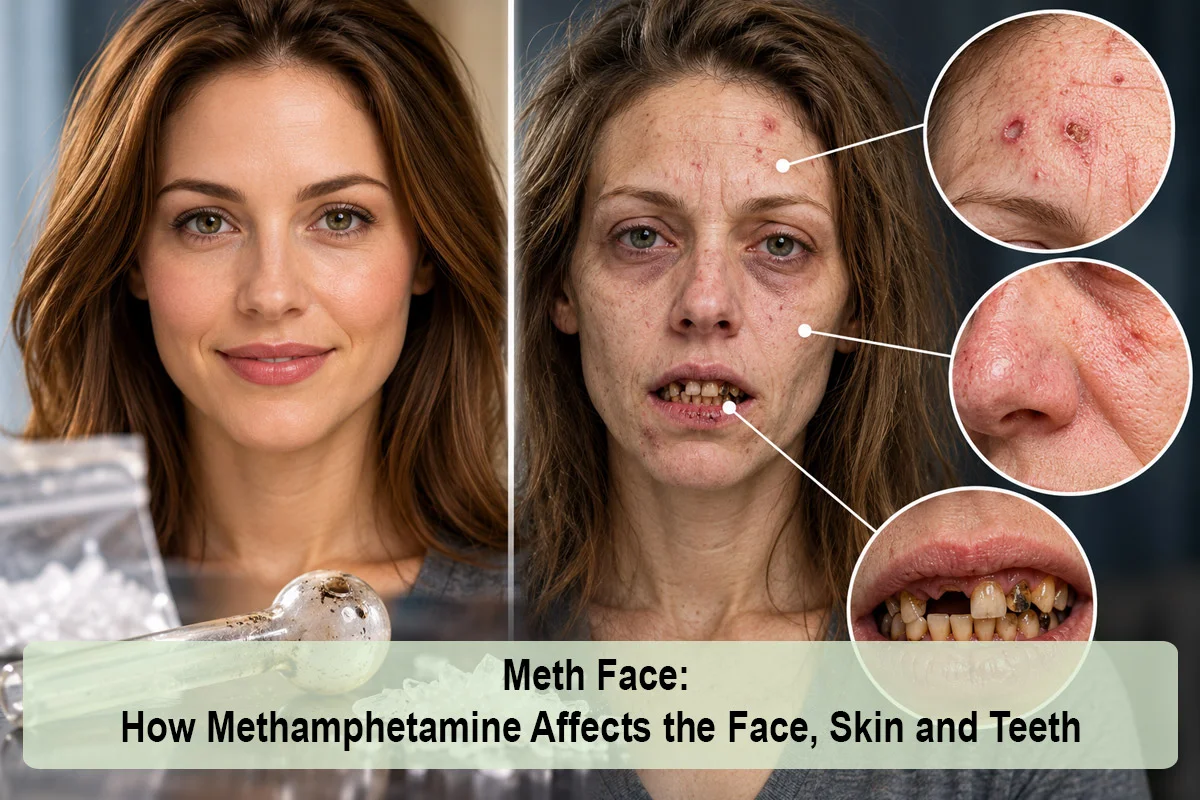
"Meth face" is a term people search when they notice changes in someone they love, or in their own reflection, and want to understand what is happening. Methamphetamine can visibly change the skin, teeth, and face over months of use. Some of those changes are dramatic, and they have been used for years in shock-value campaigns. This guide takes a different approach. It explains what actually causes these physical changes, what the research shows, which effects tend to improve with recovery, and what kinds of treatment help both the addiction and the physical damage.
Methamphetamine is a powerful stimulant that floods the brain with dopamine and drives the body into a prolonged state of high alert. The physical changes people associate with "meth face" are rarely caused by a single mechanism. They come from a combination of factors that build on each other over time:
One of the most recognizable effects is open sores on the face, arms, and hands. Many people who use methamphetamine experience formication, a sensation that insects are crawling on or under the skin. This is sometimes called "meth mites." The sensation is not caused by actual insects, but it can feel very real, and it often leads to compulsive scratching and picking. Repeated picking creates open wounds, which can become infected and leave scars.
Because blood flow is reduced and the immune system is under strain, these wounds can heal slowly. Skin infections, including serious bacterial infections, are a real risk, especially when wounds are picked repeatedly or when hygiene is limited.
Many people notice more acne during methamphetamine use. Contributing factors include stress hormones, poor sleep, sweating, touching and picking at the face, and changes in diet and hygiene.
Over time, the combination of reduced blood flow, dehydration, poor nutrition, sun exposure, smoking, and chronic sleep loss can make skin look dull, thin, and older than a person's age. Fine lines and loss of skin elasticity may appear earlier than expected.
People who smoke methamphetamine sometimes have burns on their lips, fingertips, or the corners of their mouth from hot pipes. These can be painful and are another entry point for infection.
Methamphetamine suppresses appetite and increases energy expenditure. Rapid, significant weight loss is common, and the face often shows it first. Loss of facial fat can make the cheeks look hollow, the eyes sunken, and the bone structure more prominent. Combined with skin changes and dental problems, this contributes to the gaunt appearance people associate with the drug.
Facial wasting is often among the most reversible changes. With regular meals, sleep, and time, many people regain weight and facial fullness in recovery.
For years, "meth mouth" was described mostly through individual case reports. In 2015, a team at the UCLA School of Dentistry led by Dr. Vivek Shetty published the largest study of the issue to date in the Journal of the American Dental Association. The researchers examined 571 people who used methamphetamine and found:
The study also found that older and more frequent users were affected more severely, that women had higher rates of tooth loss and decay, and that people who smoked had more decay on their front teeth. A related analysis found that methamphetamine users were about twice as likely to have untreated cavities and four times as likely to have experienced cavities as comparable adults in a national health survey.
Several factors combine to produce meth mouth:
The pattern of decay in methamphetamine users is distinctive, often affecting the smooth surfaces of front teeth and the gumline in ways dentists recognize. That means dentists are sometimes the first health professionals to notice a problem, and they can play a role in connecting people with treatment.
Poor nutrition, stress, and sleep deprivation can also affect hair, sometimes causing thinning or dullness. Some people develop a pattern of hair pulling. Overall, the person may look exhausted, with dark circles under the eyes and a restless, tense expression. These changes reflect the toll the drug takes on the whole body, not just the face.
One of the most important messages for anyone worried about these changes is that many of them improve when methamphetamine use stops.
| Change | Likely Course in Recovery |
|---|---|
| Weight loss and facial wasting | Often improves substantially with regular meals and sleep over months |
| Acne and active sores | Usually heal once picking stops and hygiene improves |
| Skin tone and dryness | Often improve with hydration, nutrition, and sleep |
| Scars from picking | May fade but can be permanent; dermatology treatments can help |
| Cavities and broken teeth | Do not heal on their own; require dental treatment |
| Missing teeth | Permanent, but replaceable with dentures, bridges, or implants |
| Gum disease | Can be treated and stabilized with professional care |
Dental damage is the exception to the general pattern of improvement. Tooth enamel does not regrow. But modern dentistry can restore function and appearance through fillings, crowns, root canals, dentures, and implants. Many people find that repairing their smile is a meaningful milestone in recovery that boosts confidence and makes it easier to return to work and social life.
Public campaigns have long used dramatic before-and-after photos of people who use methamphetamine to discourage drug use. Research on stigma suggests that this kind of messaging can backfire. It can make people who are already using feel hopeless and judged, and less likely to seek help. Language and imagery matter. Our guide on what to avoid saying to someone struggling with addiction explains how stigma affects recovery and what helps instead.
If you are noticing these changes in someone you care about, focus on concern for their health rather than their appearance. Comments about how someone looks can deepen shame, while expressions of care and worry are more likely to open a conversation.
There are currently no FDA-approved medications specifically for methamphetamine use disorder, but effective treatment exists. Contingency management, which provides structured rewards for drug-free urine tests, has the strongest evidence of any behavioral treatment for stimulant use. Our guide to contingency management explains how it works. Cognitive behavioral therapy, the Matrix Model, and treatment for co-occurring depression, anxiety, or psychosis are also important parts of care.
A good treatment program will also address physical health directly. That includes nutrition support, sleep, wound care for skin sores, and referrals for dental care. Some programs have relationships with dentists who understand addiction and can plan care in stages as recovery stabilizes.
Because methamphetamine is increasingly mixed with or used alongside fentanyl in many parts of the country, it is also important to carry naloxone and to choose a program that can treat opioid use if needed. You can explore programs that treat stimulant use through our methamphetamine treatment directory.
Get medical help right away if someone who uses methamphetamine has signs of a serious skin infection, such as spreading redness, swelling, warmth, fever, or red streaks. Seek emergency care for chest pain, very high body temperature, seizures, severe agitation, or signs of psychosis such as paranoia or hallucinations that put the person or others at risk. If opioids may be involved and the person is unresponsive or breathing slowly, call 911 and give naloxone if available.
"Meth face" describes a real set of physical changes caused by methamphetamine's effects on blood flow, hydration, appetite, sleep, and behavior. Skin sores, acne, premature aging, facial wasting, and severe dental disease are common, and the UCLA meth mouth study confirmed how widespread tooth decay and tooth loss are among people who use the drug. Many of these changes improve with recovery, and dental damage can be repaired. The most important step is not focusing on appearance, but getting effective treatment that addresses both the addiction and the body it has affected.
This article was reviewed by the RehabsNearMe Editorial Team for accuracy, clarity, and relevance. Information may be sourced from publicly available treatment resources, government agencies, and healthcare references where applicable.
Last reviewed: October 2026
Resources
 Resources
 Resources
 Resources