
 Resources
Teen Gives Up on School? Why It Happens and How to Help
Published On 25-10-2026
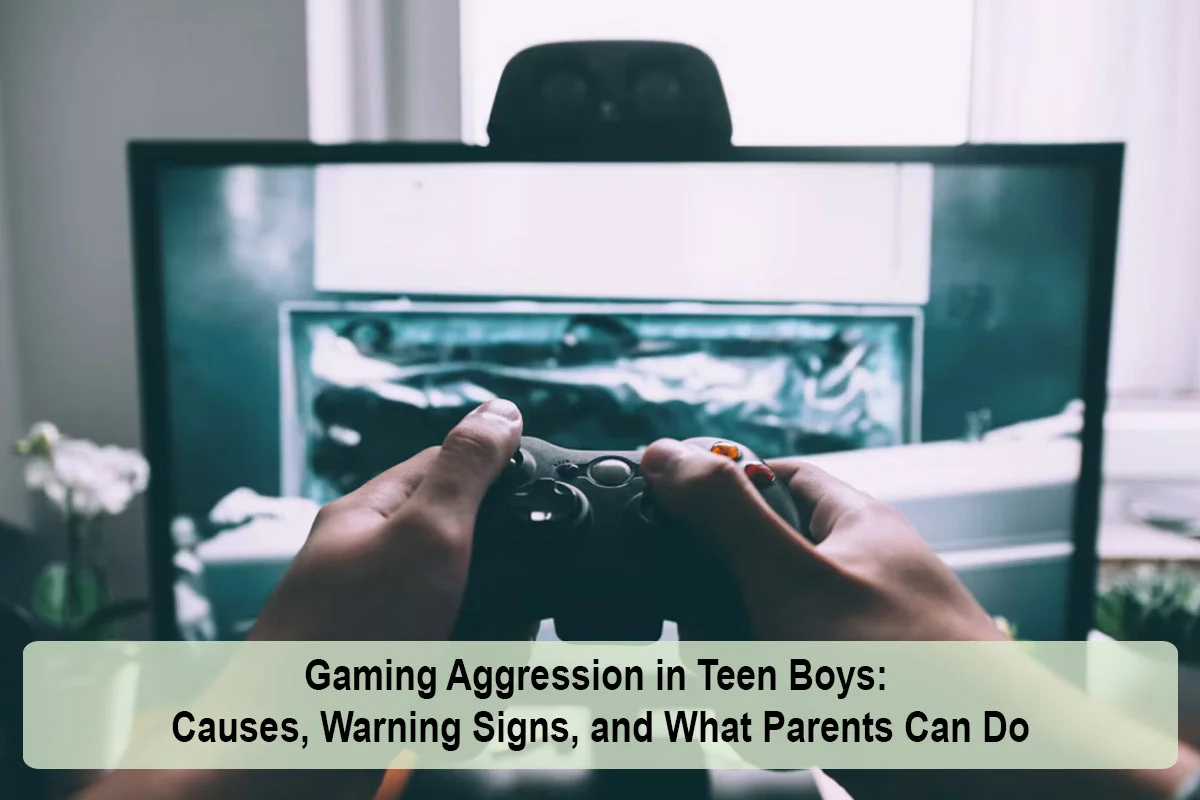
He slams the controller, screams at the screen, curses at teammates, and explodes when you tell him it is time to stop. For many parents, gaming aggression in teen boys is a daily battle. Is gaming making him violent? Is he addicted? Or is something else going on? The answer is usually more complicated than "video games cause aggression." This guide explains what research actually says about gaming and aggression, why some teen boys become angry while gaming or when asked to stop, the signs of problematic gaming, practical strategies to reduce conflict, and when to seek professional help.
Gaming is nearly universal among teen boys. Pew Research Center found that 97% of boys ages 13 to 17 play video games, and 61% play daily, compared with 22% of girls. About 22% of boys say they spend too much time gaming, and 41% of teen players say gaming has hurt their sleep. Online gaming can also be a hostile environment: 48% of boys who play say they have been called an offensive name while gaming.
This question has been studied for decades. In 2020, the American Psychological Association reaffirmed that there is insufficient scientific evidence to support a causal link between violent video games and violent behavior. At the same time, its task force found a small, reliable association between violent video game use and aggressive outcomes such as yelling and pushing. In other words, gaming is not a major cause of violence, but it can be one of many factors linked to irritability and minor aggression in some teens.
For most families, the problem is less about violent content and more about frustration, competition, sleep loss, and conflict over limits.
Losing, lag, unfair matches, or being let down by teammates can trigger intense frustration, especially in competitive online games where rankings and reputation feel important.
Many online games include insults, harassment, and trash talk. Teens may absorb and mirror this behavior.
Being told to stop mid-match can feel like losing progress, letting down teammates, or being punished. Many explosive reactions happen at the moment a parent ends gaming time.
Late-night gaming cuts into sleep, and tired teens have shorter fuses and less emotional control.
Some boys use gaming to escape stress, loneliness, anxiety, or depression. When gaming is taken away, the underlying feelings surface as anger.
The National Institute of Mental Health explains in The Teen Brain: 7 Things to Know that impulse control and emotional regulation are still developing through the teen years, making it harder to handle frustration calmly.
Teens with ADHD, anxiety, depression, or autism may be especially drawn to gaming and may have more difficulty with transitions and frustration.
The World Health Organization recognizes gaming disorder in its International Classification of Diseases, and the DSM-5 lists internet gaming disorder as a condition for further study. Warning signs include:
Learn more on our gaming addiction page and in our guide to gaming and internet addiction.
| Normal Gaming Frustration | Concerning Aggression |
|---|---|
| Groans or complains after losing | Breaks controllers, punches walls, or throws objects |
| Grumbles when asked to stop, then stops | Explodes, threatens, or becomes violent when limits are set |
| Some trash talk with friends | Persistent cruelty, threats, or harassment toward others online |
| Plays after responsibilities are done | Gaming replaces sleep, school, and relationships |
| Calms down quickly | Stays angry for hours or carries aggression into other areas |
| Still enjoys other activities | Withdraws from friends, family, and hobbies |
| Instead of Saying | Try Saying |
|---|---|
| "Turn it off right now!" | "Fifteen minutes left. Finish this match and then it is time to stop." |
| "You are addicted to that thing." | "I have noticed gaming is getting in the way of sleep. Let's figure out a plan." |
| "Those games are rotting your brain." | "Show me what you like about this game." |
| "I am taking it away forever." | "We agreed on the rule. Gaming is off for today, and you can try again tomorrow." |
A written agreement can reduce daily battles. Sit down with your son when everyone is calm and agree on:
Review the agreement every few weeks and adjust as needed. Involving him in creating the rules increases buy-in.
Gaming is not all bad. Many games build problem-solving skills, teamwork, creativity, and friendships, and for some boys, gaming is a key way to stay connected with friends. Recognizing these benefits makes conversations about limits feel fairer and less like an attack on something he enjoys. The goal is balance, not elimination.
Teach your son how to mute, block, and report players who harass or threaten him. Encourage him to step away from a game when he feels his anger rising, and talk about how he wants to treat others online. If he is the target of serious threats or harassment, save evidence and report it to the platform.
If your son's anger seems far out of proportion, appears outside of gaming, or comes with other changes, look beyond the games. Persistent irritability can signal depression or anxiety. Constant defiance and aggression may point to a behavior disorder. Withdrawal into gaming can be a way to cope with bullying, loneliness, or trauma. Our guides on when a teen is destroying property and why teenage boys are so rude may help.
Seek help from a doctor or mental health professional if your son:
Effective approaches include cognitive behavioral therapy, family therapy, anger management, and treatment for co-occurring conditions. Learn more about anger treatment and internet addiction treatment. Browse programs for boys and adolescents, including Nexus Teen Academy in Scottsdale. If anyone is in danger, call 911. For a mental health crisis, call or text 988.
Remember that your relationship with your son matters more than any single rule. Staying connected and interested in his world makes limits easier to accept and helps you spot problems early.
Gaming is nearly universal among teen boys, and research shows video games are not a major cause of violence, though they may be linked to minor aggression for some teens. Most gaming-related anger comes from frustration, competition, interrupted play, online hostility, and sleep loss. Set clear rules in advance, give warnings before stopping, keep devices out of bedrooms at night, stay calm, and follow through consistently. If aggression is severe, gaming is taking over his life, or there are signs of depression or anxiety, professional help can make a real difference.
This article was reviewed by the RehabsNearMe Editorial Team for accuracy, clarity, and relevance. Information may be sourced from publicly available treatment resources, government agencies, and healthcare references where applicable.
Last reviewed: October 2026
Resources
 Resources
 Resources
 Resources