
 Resources
Teen Destroying Property at Home: Is It a Mental Health Crisis?
Published On 18-10-2026
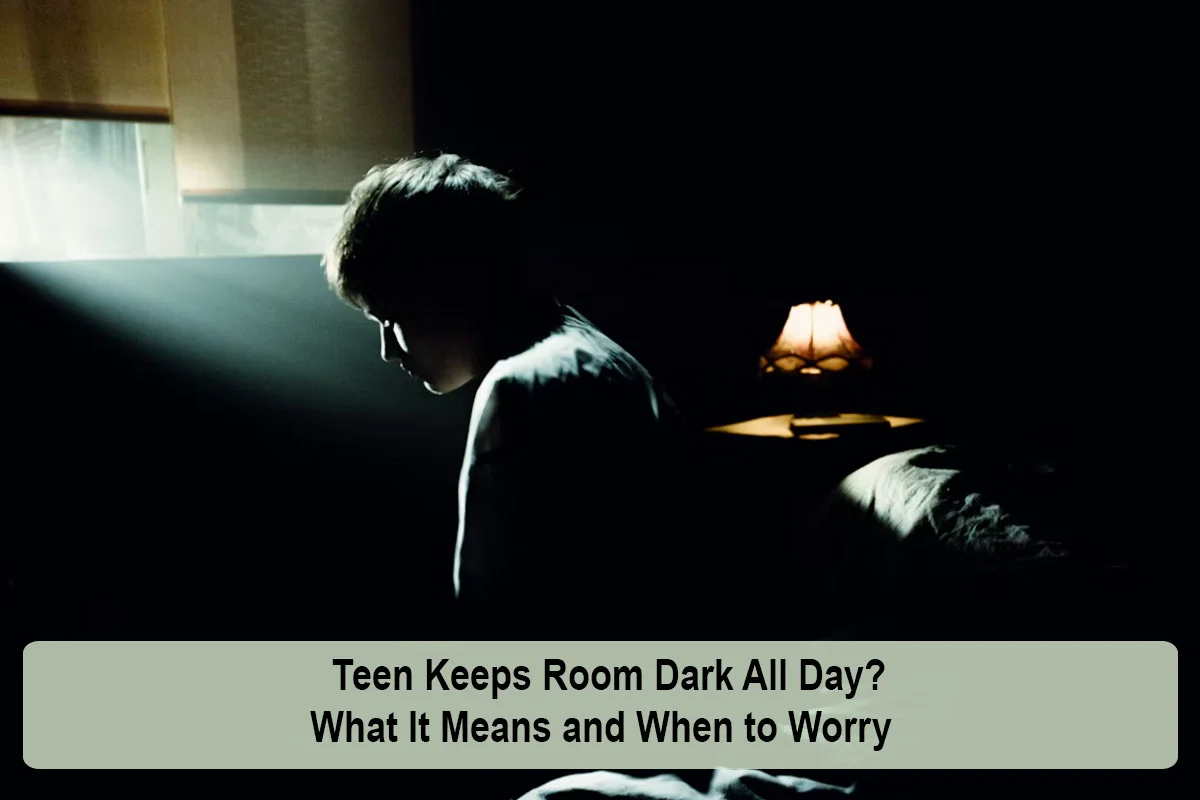
The blinds are always shut, the lights are off, and your teen spends hours in a dim room lit only by a screen. If your teen keeps their room dark all day, you may wonder whether it is just a quirky preference, a sleep problem, or a sign of something deeper like depression. For some teens, a dark room is simply comfortable or calming. For others, living in the dark goes hand in hand with withdrawal, low mood, and a sleep schedule that has flipped upside down. This guide explains why teens keep their rooms dark, how light affects mood and sleep, the red flags to watch for, how to respond without a power struggle, and when to seek help.
Light is one of the strongest signals for the body's internal clock. Morning and daytime light help set the sleep-wake cycle, so the body feels alert during the day and sleepy at night. When teens stay in the dark during the day and use bright screens late at night, their clock can drift even later, making it harder to fall asleep and wake up for school.
Sleep loss is already widespread among teens. The American Academy of Sleep Medicine recommends that adolescents ages 13 to 18 get 8 to 10 hours of sleep a night, yet the CDC reports that only 24% of high school students got at least 8 hours on an average school night in 2025. Too little sleep can worsen mood, focus, irritability, and anxiety. Lack of daylight may also contribute to low mood, especially during darker winter months, a pattern sometimes called seasonal depression.
Depression drains energy and motivation. Opening the curtains, getting dressed, and leaving the room can feel like too much effort, and darkness may match how a teen feels inside. The National Institute of Mental Health estimates that 20.1% of adolescents ages 12 to 17 had a major depressive episode in 2021. Learn more about depression treatment.
Bright light and open windows can make some anxious teens feel exposed. A dark room can feel safe and hidden. See our page on anxiety treatment.
Low light and constant screens can help a teen shut out feelings and responsibilities. Over time, this avoidance can deepen low mood. Read more about teen emotional numbness.
Teens who have experienced trauma may create a closed-off, controlled space where they feel protected.
Some teens use their dark room to hide vaping, cannabis, or other substance use, especially if doors are locked and windows are covered.
| Likely a Preference | May Be a Concern |
|---|---|
| Dark room some afternoons or weekends | Dark room most of the day, most days, for weeks |
| Still eats meals with family and sees friends | Avoids family meals, friends, and activities |
| Keeps up with school and hobbies | Falling grades, school refusal, dropping hobbies |
| Generally normal mood | Sadness, irritability, tearfulness, or numbness |
| Sleeps mostly at night | Awake all night and asleep most of the day |
| Maintains hygiene | Declining hygiene and self-care |
| Explains it as calming or comfortable | Talks about hopelessness or wanting to disappear |
When a teen sleeps all day and stays up all night, small, steady changes work better than sudden overhauls. Try moving wake-up time earlier by about 15 to 30 minutes every few days, opening the blinds or going outside right after waking, and keeping wake time consistent on weekends. Limit long daytime naps, avoid caffeine in the afternoon and evening, and move devices out of the bedroom at night if possible. If sleep stays reversed despite these steps, talk to a doctor about delayed sleep phase or other sleep disorders.
| Instead of Saying | Try Saying |
|---|---|
| "It is like a cave in here. Open the blinds." | "Want to grab breakfast on the porch with me?" |
| "You are going to ruin your eyes in the dark." | "Does the light bother you? We could try a softer lamp." |
| "Why are you always hiding in here?" | "I miss seeing you around. How are you doing lately?" |
Teens deserve privacy, and their room is one of the few spaces they control. Respecting that while setting a few simple expectations, such as joining one family meal a day, answering when you knock, and keeping up with school, can protect both privacy and wellbeing. If you see serious warning signs, safety comes first.
Light sensitivity is not always emotional. Migraines, eye conditions, concussions, certain medications, and some sleep disorders can make light uncomfortable or disrupt sleep timing. If your teen complains of headaches, eye pain, dizziness, or extreme fatigue, schedule a checkup to rule out physical causes before assuming the problem is mood-related.
Talk with your teen's doctor or a mental health professional if dark-room isolation lasts more than two weeks, comes with withdrawal, sleep reversal, low mood, falling grades, or physical symptoms, or if you suspect substance use or self-harm. A doctor can also check for medical causes such as migraines, eye problems, or sleep disorders. Cognitive behavioral therapy can help teens address depression and avoidance, and family therapy can improve communication. Related guides include teen locked in their room for days and when a teen stops taking care of hygiene. Browse programs on our adolescent treatment page, including Nexus Teen Academy in Scottsdale. If your teen is in crisis, call or text 988 or call 911.
A teen who keeps their room dark all day may simply want privacy, sensory comfort, or less screen glare. But when darkness comes with isolation, a reversed sleep schedule, low mood, declining self-care, or falling grades, it can be a sign of depression, anxiety, or other struggles. Avoid power struggles over the blinds, stay curious about how your teen is really doing, gently bring more daylight and routine into their day, and seek professional help if warning signs last more than two weeks.
This article was reviewed by the RehabsNearMe Editorial Team for accuracy, clarity, and relevance. Information may be sourced from publicly available treatment resources, government agencies, and healthcare references where applicable.
Last reviewed: October 2026
Resources
 Resources
 Resources
 Resources