
 Resources
Medical Detox Near Me: How to Choose the Right Program
Published On 25-10-2026
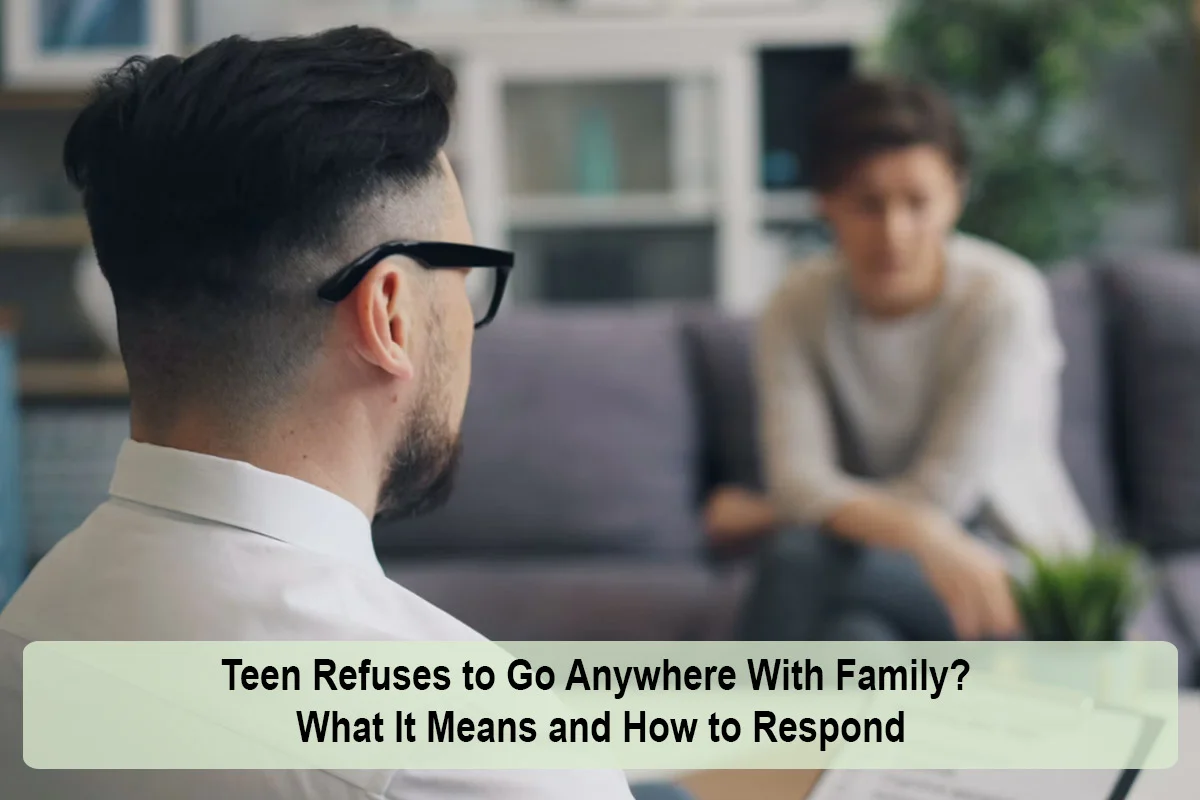
It starts with skipping a family dinner out, then declining the weekend trip to the grandparents, and soon your teen refuses to go anywhere with the family at all. Vacations, holidays, birthday parties, even a quick trip to the store become battles or flat refusals. For many parents, this shift is painful and confusing. Is it normal teenage independence, embarrassment, or a sign of anxiety, depression, or family tension? This guide explains why teens refuse to go places with family, how to tell normal distance from a warning sign, what makes it worse, and practical ways to stay connected without constant power struggles.
Yes, to a degree. As teens grow, friends become more important, and spending time with parents in public can feel embarrassing. Wanting to stay home, choose their own plans, or spend weekends with friends is a normal part of building independence. Most teens still join some family activities, especially ones they enjoy or have a say in.
It becomes more concerning when a teen refuses almost everything, including activities they used to love, and also withdraws from friends, school, and hobbies.
Declining family plans can be a way for teens to assert control and show they are their own person. Choosing to stay home is one of the few decisions some teens feel they get to make.
Teens often feel like everyone is watching them. Being seen with parents, especially by classmates, can feel mortifying, even when parents are doing nothing embarrassing.
Between school, homework, activities, and social media, many teens feel drained. Staying home may be their way of recharging.
Weekends are prime time for friends. Family plans can feel like they compete with the social life teens care about most.
If outings are always chosen by parents or geared toward younger siblings, teens may see little reason to go.
For some teens, restaurants, crowded stores, family gatherings, or meeting relatives trigger intense anxiety about being judged or put on the spot. Refusing to go is a way of avoiding that discomfort. Learn more about anxiety treatment.
Depression drains energy and interest. A teen who once loved family trips may suddenly find them pointless or exhausting. The National Institute of Mental Health estimates that 20.1% of adolescents ages 12 to 17 had a major depressive episode in 2021. See our page on depression treatment.
If outings often turn into arguments, criticism, or tension, avoiding them may feel safer. Teens may also avoid a specific relative they find difficult.
Teens who are being bullied, have experienced a frightening event, or are overwhelmed at school may want to stay where they feel safe. The National Center for Education Statistics reports that about one in five students ages 12 to 18 were bullied at school in 2021 to 2022.
Gaming and social media can feel more rewarding and less effortful than family outings. For some teens, online life becomes the main source of connection.
| Usually Normal | May Be a Warning Sign |
|---|---|
| Skips some family outings but joins others | Refuses nearly all outings, even ones they used to love |
| Goes out with friends regularly | Avoids friends, too, and rarely leaves the house except for school |
| Prefers to choose activities | Seems anxious, panicky, or physically sick before outings |
| Eye rolling about family plans | Persistent sadness, irritability, or hopelessness |
| Grades and hobbies stable | Falling grades, dropping activities, sleep or appetite changes |
| Change develops gradually | Sudden change after a specific event |
Connection does not have to happen on big outings. Small, consistent moments often matter more.
| Instead of Saying | Try Saying |
|---|---|
| "You are coming whether you like it or not." | "This one is important to us. What would make it easier for you?" |
| "You never want to do anything with us." | "I miss spending time with you. What would you enjoy doing together?" |
| "Fine, stay home and be miserable." | "Okay, maybe next time. We will miss you." |
| "Your sister always comes." | "You can pick the next place we go." |
Laws and guidance on leaving teens home alone vary by state, and readiness depends on maturity more than age. Many younger teens can handle short periods alone, while longer periods or overnight stays require more responsibility. Consider your teen's judgment, safety skills, and mood. If your teen is struggling with depression, self-harm, or substance use, leaving them alone for long periods may not be safe.
Big trips and holidays can be especially tough. Involve your teen in planning, build in downtime and some independence, allow phone time to stay in touch with friends, and consider letting them bring a friend on a vacation if possible. For holiday gatherings, agree on how long they will stay and give them a quiet space to step away if they feel overwhelmed.
If your teen goes to school but refuses all other outings, including with friends, it may reflect anxiety, depression, exhaustion, or social difficulties. Offer a judgment-free space to recharge, but watch closely for other warning signs. Our guides on a teen locked in their room for days and when a teen suddenly hates the family may also help.
As teens grow, old traditions may no longer fit. Ask your teen which traditions still matter to them and which ones they would like to change. A movie night might replace a trip to the park, or a teen might take charge of planning one holiday activity. Updating traditions together shows respect for who your teen is becoming and gives them a reason to show up.
Younger siblings may feel hurt or confused when an older teen refuses to join family time, or may start refusing too. Explain simply that their sibling needs more space right now, and make sure younger children still get plenty of attention. Avoid setting up different rules that feel unfair without explanation, and consider planning some activities that match each child's interests.
Consider talking to a doctor or therapist if refusal comes with withdrawal from friends, declining grades, persistent sadness or anxiety, panic before outings, sleep or appetite changes, substance use, or talk of hopelessness, or if it lasts for many weeks without improvement. Cognitive behavioral therapy can help with social anxiety and depression, and family therapy can reduce conflict and help everyone reconnect. Browse programs on our adolescent treatment page, including Nexus Teen Academy in Scottsdale and Nexus Teen Academy in Cave Creek. If your teen is in crisis, call or text 988.
When a teen refuses to go anywhere with family, it is often a normal part of growing up, driven by independence, embarrassment, exhaustion, or a desire to be with friends. But refusing everything, especially alongside withdrawal from friends, sadness, anxiety, or falling grades, can signal deeper problems. Stay calm and curious, invite rather than demand, give your teen a say, keep a few clear non-negotiables, and build connection at home. If warning signs appear, professional help can address what is underneath.
This article was reviewed by the RehabsNearMe Editorial Team for accuracy, clarity, and relevance. Information may be sourced from publicly available treatment resources, government agencies, and healthcare references where applicable.
Last reviewed: October 2026
Resources
 Resources
 Resources
 Resources