
 Resources
Teen Gives Up on School? Why It Happens and How to Help
Published On 25-10-2026
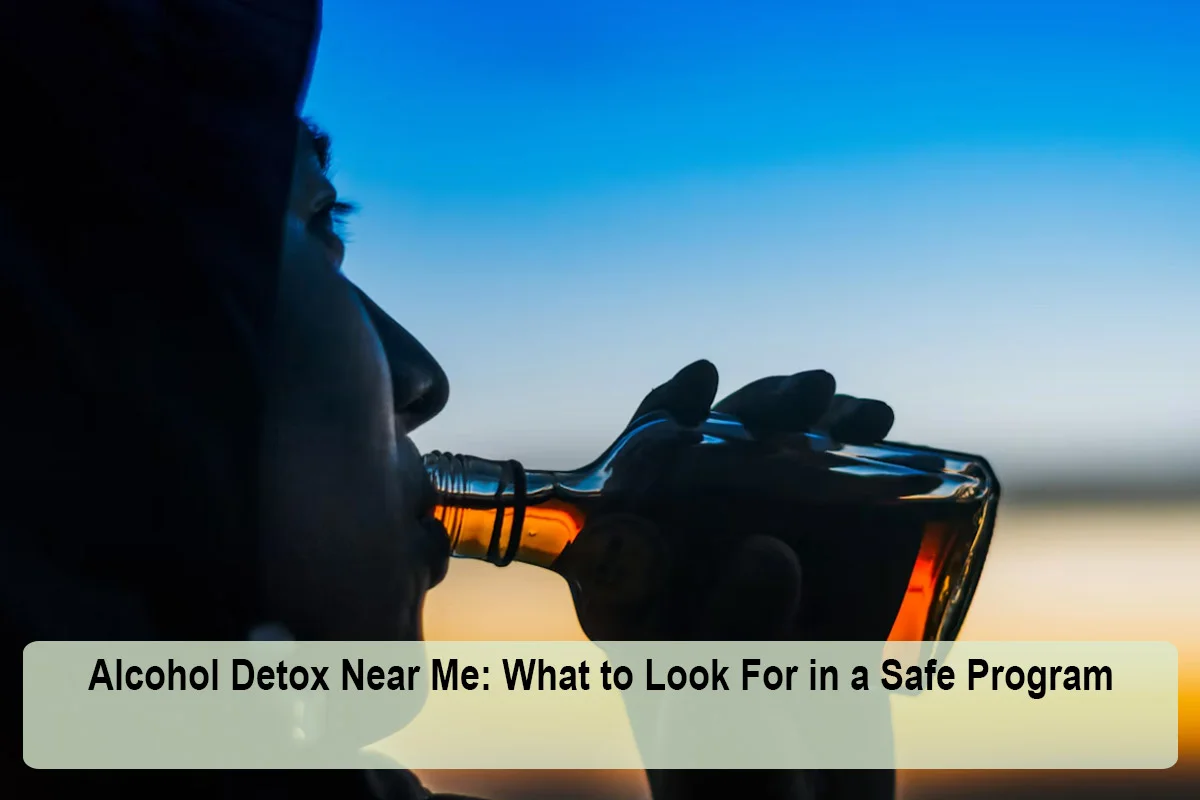
If you drink heavily every day or most days, stopping suddenly can be more than uncomfortable. Alcohol withdrawal can cause tremors, sweating, anxiety, vomiting, and in severe cases seizures or delirium tremens, a medical emergency. That is why searching "alcohol detox near me" is often the most important step toward recovery. But not every program that calls itself a detox center offers the same level of medical care. This guide explains what to look for in an alcohol detox program, how to know what level of care you need, the questions to ask before admission, how insurance works, and what should happen after detox.
Long-term heavy drinking changes how the brain's calming and excitatory systems work. When alcohol is suddenly removed, the brain becomes overactive. Symptoms usually begin within hours to a day after the last drink, often peak within a few days, and can include:
Because severe withdrawal can be life-threatening and is hard to predict, people with heavy, long-term drinking or a history of withdrawal complications should detox under medical care. Read more about why alcohol withdrawal can require medical supervision.
Not sure if your drinking has crossed the line? See our guide to signs of alcohol dependence.
Look for a program with a physician or nurse practitioner overseeing care and nurses available 24 hours a day. Staff should be trained to recognize early signs of seizures and DTs and to respond quickly.
Quality programs regularly measure withdrawal severity, often using a validated scale such as the CIWA-Ar, and adjust medications based on the scores. Ask how often patients are assessed, especially in the first 72 hours.
Benzodiazepines are the standard first-line medication for managing moderate to severe alcohol withdrawal and preventing seizures and DTs. Some programs also use other medications. Thiamine (vitamin B1) is commonly given to help prevent Wernicke encephalopathy, a serious brain condition linked to heavy drinking and poor nutrition.
Ask what happens if someone has a seizure, develops DTs, or has other medical problems. A freestanding detox should have a clear plan and relationship with a nearby hospital for emergencies.
Confirm the program is licensed by your state and accredited by The Joint Commission or CARF.
Anxiety, depression, and insomnia are common during and after alcohol withdrawal. Programs that offer co-occurring mental health care can address both.
After detox, FDA-approved medications such as naltrexone, acamprosate, and disulfiram can help reduce cravings or support abstinence. A good program will discuss these options before discharge.
Detox is not treatment for alcohol use disorder by itself. Look for programs that connect you to residential treatment, outpatient programs, therapy, medication, and peer support. The National Institute on Alcohol Abuse and Alcoholism's Alcohol Treatment Navigator recommends seeking evidence-based treatment delivered by skilled health professionals.
| What to Look For | Questions to Ask |
|---|---|
| 24/7 medical supervision | Are nurses on site around the clock? Is a doctor available at all times? |
| Withdrawal assessment | How often do you assess withdrawal symptoms? Do you use a standard scale? |
| Medications | What medications do you use for withdrawal? Do you give thiamine? |
| Emergency plan | What happens if someone has a seizure or DTs? |
| Licensing and accreditation | Are you state licensed and accredited by The Joint Commission or CARF? |
| Mental health support | Can you treat depression, anxiety, or other conditions? |
| Medications for alcohol use disorder | Do you offer or discuss naltrexone, acamprosate, or disulfiram? |
| Aftercare | How do you help patients transition to ongoing treatment? |
| Insurance and cost | Do you accept my insurance? What will I owe? |
| Level | What It Involves | Who It May Fit |
|---|---|---|
| Hospital inpatient detox | Intensive medical care in a hospital | History of seizures or DTs, severe withdrawal, or serious medical conditions |
| Medically monitored inpatient detox | 24/7 nursing and physician oversight in a detox facility | Moderate to severe withdrawal risk without major complications |
| Residential detox followed by rehab | Detox and residential treatment at one facility | People who want a smooth transition into treatment |
| Outpatient alcohol detox | Regular medical visits and medications while living at home | Mild to moderate withdrawal risk, good health, and a sober support person at home |
A medical professional should help decide which level is safest. Our guide to whether you need detox before alcohol rehab explains how providers decide.
Older adults may face higher withdrawal risk because of other medical conditions, multiple medications, and slower metabolism. Look for programs experienced with older adults that can coordinate with primary care doctors and manage chronic conditions during detox.
Most acute alcohol withdrawal is managed within about three to seven days, though it can be longer for people with severe dependence or complications. Some people experience lingering symptoms like sleep problems, anxiety, and low mood for weeks afterward, which is why continued support matters. Our article on what happens after 30 days without alcohol describes the recovery timeline.
For broader tips on locating programs, see our guide on how to find medical detox near you.
If you are helping a loved one, call programs ahead of time so you can move quickly when they are ready, and offer to drive them to admission.
Most private insurance plans, Medicaid, and Medicare cover medically necessary alcohol detox, though coverage details vary. Ask about prior authorization, in-network facilities, and out-of-pocket costs. Learn more in our guides on alcohol rehab costs and verifying insurance benefits.
Call 911 or go to the nearest emergency room if someone in alcohol withdrawal has a seizure, severe confusion, hallucinations, a high fever, chest pain, or cannot stop vomiting. Do not wait to find a detox bed in these situations.
Alcohol use disorder is common but often untreated. When NIAAA launched its Navigator, it noted that alcohol use disorder affects more than 15 million adults in the United States and that fewer than 10% of people with the disorder receive treatment in a given year. Choosing a safe, quality detox program is the first step toward closing that gap.
When searching for alcohol detox near you, look for 24/7 medical supervision, standardized withdrawal monitoring, evidence-based medications such as benzodiazepines and thiamine, a clear emergency plan, state licensing and accreditation, mental health care, discussion of medications for alcohol use disorder, and a plan for ongoing treatment. People with heavy daily drinking or past withdrawal complications should not detox alone. Use trusted resources like FindTreatment.gov, the NIAAA Navigator, and the SAMHSA Helpline to find quality care.
This article was reviewed by the RehabsNearMe Editorial Team for accuracy, clarity, and relevance. Information may be sourced from publicly available treatment resources, government agencies, and healthcare references where applicable.
Last reviewed: October 2026
Resources
 Resources
 Resources
 Resources