
 Resources
Teen Gives Up on School? Why It Happens and How to Help
Published On 25-10-2026
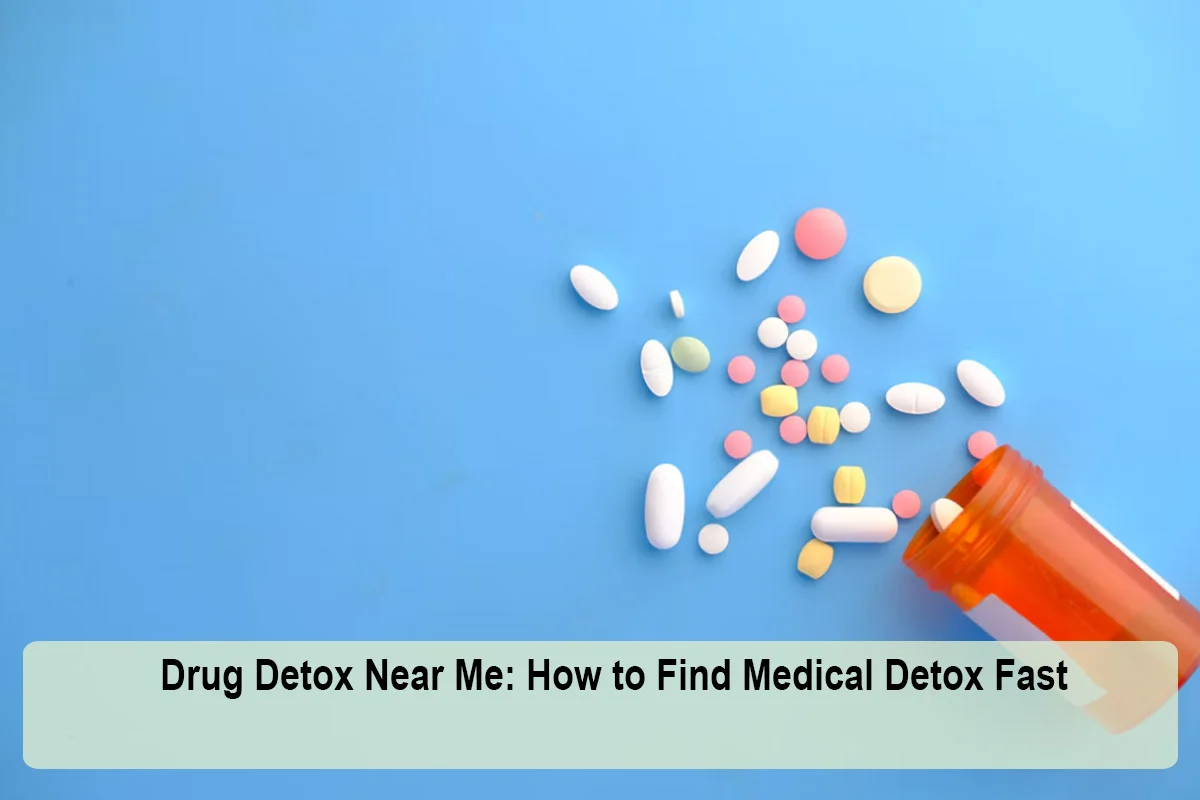
Searching "drug detox near me" usually happens at a stressful moment. Maybe you or someone you love is ready to stop using, has tried to quit before and gotten sick, or is worried about withdrawal from opioids, benzodiazepines, alcohol, or another substance. The good news is that there are faster and more reliable ways to find a legitimate medical detox program than scrolling through ads. This guide walks you through exactly how to find drug detox near you, step by step: where to search, how to verify a program is licensed, what to ask when you call, how to check insurance, how to get admitted quickly, and what to do if you cannot find an open bed.
Drug detox, also called medically supervised withdrawal or withdrawal management, is the process of safely managing the physical and psychological symptoms that happen when someone stops using a substance their body has become dependent on. Medical detox programs provide monitoring, medications to ease symptoms and prevent complications, and support from nurses, doctors, and counselors. Detox is the first step, not the whole treatment. It is most effective when followed by ongoing addiction treatment. For a look inside a typical program, see our guide to what to expect in drug detox.
Not everyone needs a supervised detox, but some substances can cause dangerous or even life-threatening withdrawal. Medical detox is especially important for people who are physically dependent on:
Our guide to what drugs require medical detox explains the risks for each substance in more detail.
Many search results for "detox near me" are paid ads or call centers that route callers to programs that pay for referrals. Start with sources that list licensed providers:
Your primary care doctor, a psychiatrist, or an urgent care clinic can assess withdrawal risk and help arrange admission. Hospitals and emergency departments can also start withdrawal treatment and connect you with detox or medication treatment, especially for alcohol, benzodiazepine, or opioid withdrawal. If withdrawal symptoms are already severe, such as confusion, seizures, hallucinations, chest pain, or severe vomiting, go to the emergency room or call 911.
| Question to Ask | Why It Matters |
|---|---|
| Do you provide medical detox for my specific substance? | Not all programs manage alcohol, benzodiazepine, or fentanyl withdrawal |
| Is there a doctor or nurse practitioner on staff, and nurses 24/7? | Medical oversight is essential for safe withdrawal |
| Do you offer medications for withdrawal and for opioid use disorder? | Medications reduce symptoms and lower relapse and overdose risk |
| Do you take my insurance? What will I owe? | Avoids surprise bills |
| Do you have a bed available today or this week? | Availability varies by day |
| Can you treat co-occurring mental health conditions? | Anxiety, depression, and PTSD are common during withdrawal |
| What happens after detox? | Detox alone rarely leads to lasting recovery |
| What should I bring, and what is not allowed? | Helps you prepare for admission |
Many private insurance plans, Medicaid, and Medicare cover medically necessary detox. Federal parity law generally requires plans that cover substance use treatment to do so on terms comparable to medical care. Call your insurer to confirm coverage, prior authorization requirements, and in-network facilities. Our guides on how to verify insurance benefits for rehab and whether insurance covers rehab walk through the process. If you are uninsured, ask about state-funded programs, sliding-scale fees, and Medicaid eligibility.
Motivation can fade and withdrawal can start quickly, so moving fast matters. Many detox programs offer same-day or next-day admission. Have the following ready when you call:
Learn more in our guide to getting into rehab the same day.
| Type | Setting | Best For |
|---|---|---|
| Hospital inpatient detox | Hospital unit with 24/7 medical care | Severe withdrawal, high seizure risk, or serious medical conditions |
| Medically monitored inpatient detox | Freestanding facility with nurses and physician oversight | Moderate to severe withdrawal without major medical complications |
| Detox within a residential rehab | Detox followed by residential treatment at the same facility | People who want a seamless transition into rehab |
| Outpatient detox | Regular clinic visits while living at home | Mild to moderate withdrawal with a stable home and support |
For help deciding which setting is right, read our guide to choosing a medical detox program.
Most programs prohibit alcohol, drugs, weapons, and certain personal items. Ask for the program's packing list before you arrive.
Quitting suddenly at home can be dangerous for some substances and increases the chance of relapse for others. After opioid detox, tolerance drops quickly, and a return to previous doses can cause overdose. A study published in the BMJ found that people who completed inpatient opiate detoxification and lost their tolerance were at higher risk of overdose death in the following months. That is why a plan for ongoing treatment, including medications for opioid use disorder, is so important. See our comparison of detox at home vs. medical detox.
If you are searching for someone else, do the research ahead of time so you can act quickly when they are ready. Make a short list of licensed programs that accept their insurance, confirm bed availability, and offer to drive them. Stay calm and supportive, avoid ultimatums in the moment, and focus on safety. Family members can also call the SAMHSA National Helpline for guidance.
Detox treats withdrawal, but not the underlying addiction. After detox, most people benefit from residential treatment, partial hospitalization, intensive outpatient programs, medication treatment, therapy, and peer support. A good detox program will help arrange the next level of care before discharge. Learn more about medication-assisted treatment and what happens after opioid detox.
To find drug detox near you, start with trusted sources like FindTreatment.gov, the SAMHSA National Helpline at 1-800-662-4357, your insurance company, or your doctor rather than paid ads. Verify licensing, accreditation, and medical staff, ask key questions about your substance, medications, insurance, and aftercare, and have your information ready for fast admission. Medical detox is especially important for alcohol, benzodiazepines, and opioids, and it works best as the first step into ongoing treatment.
This article was reviewed by the RehabsNearMe Editorial Team for accuracy, clarity, and relevance. Information may be sourced from publicly available treatment resources, government agencies, and healthcare references where applicable.
Last reviewed: October 2026
Resources
 Resources
 Resources
 Resources