
 Resources
Teen Gives Up on School? Why It Happens and How to Help
Published On 25-10-2026
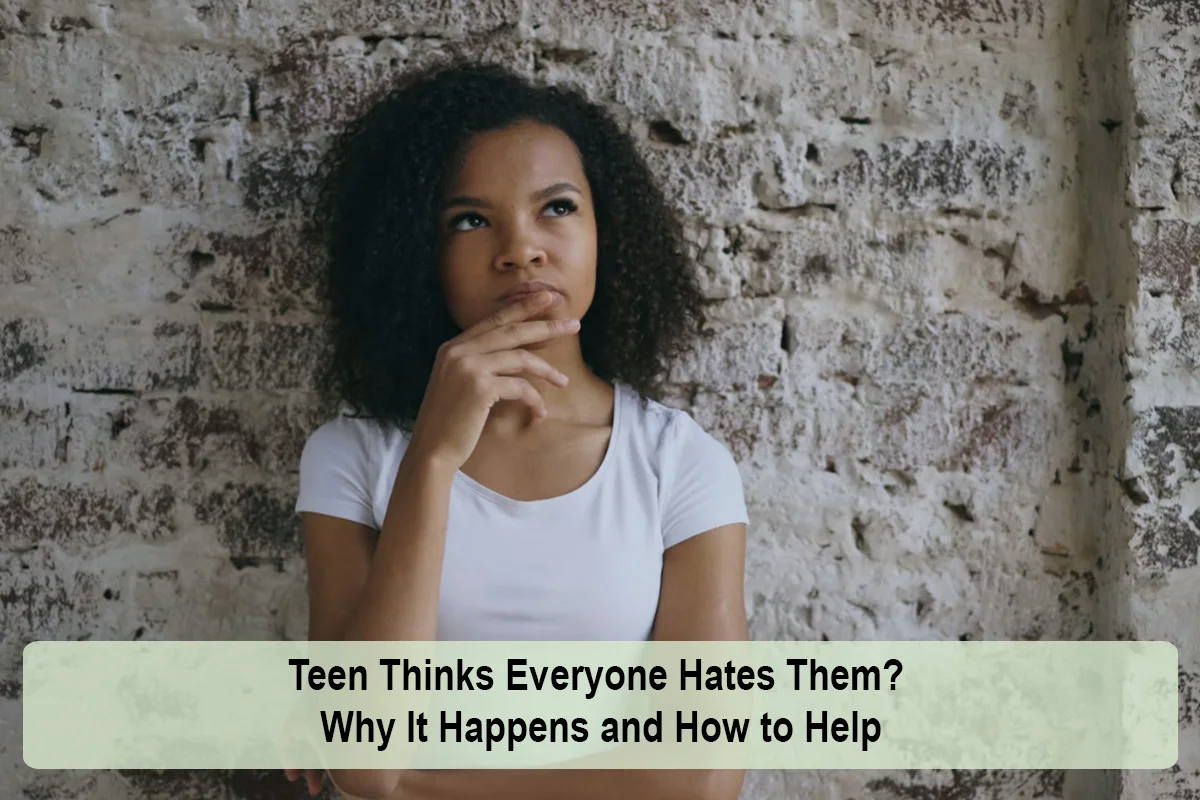
"Everyone hates me." "No one wants me around." "They were all laughing at me." When a teen suddenly believes that everyone hates them, it can be heartbreaking for parents to hear, especially when you can see friends and family who care about them. Often, this belief grows out of intense emotion, anxiety, low self-esteem, or a painful social experience rather than real, widespread rejection. But sometimes it reflects bullying or exclusion that needs to be addressed. This guide explains why teens come to believe everyone hates them, the thinking patterns that fuel it, how to tell perception from reality, how parents can respond, coping strategies that help, and when to seek professional support.
Adolescents are extremely tuned in to how others see them. According to the National Institute of Mental Health's guide The Teen Brain: 7 Things to Know, the teen brain continues developing into the mid to late 20s, and emotional reactions can be fast and intense while the reasoning systems that put them in perspective are still maturing. A small slight can feel enormous.
Teens with social anxiety fear being judged or rejected and often assume the worst about how others see them. The National Institute of Mental Health estimates that 9.1% of adolescents ages 13 to 18 have had social anxiety disorder, including 11.2% of girls and 7.0% of boys. Learn more about anxiety treatment.
Depression distorts how people interpret the world. A teen who feels worthless may assume others see them the same way. NIMH estimates that 20.1% of adolescents ages 12 to 17 had a major depressive episode in 2021. See our page on depression treatment.
A fight with a friend, a breakup, being left out of plans, or an unanswered text can quickly grow into "everyone hates me."
Sometimes the feeling is rooted in real mistreatment. The National Center for Education Statistics reports that about one in five students ages 12 to 18 were bullied at school in 2021 to 2022, with being the subject of rumors and being made fun of among the most common forms. Always take the possibility of bullying seriously.
Seeing photos of friends hanging out without them, counting likes, or reading group chats can make teens feel excluded or unpopular. Our teen phone addiction statistics show how heavy social media use is linked to sadness and anxiety.
Some teens, especially those with ADHD, experience intense emotional pain in response to perceived criticism or rejection. This is sometimes called rejection sensitivity. Learn more about ADHD treatment.
Sleep loss makes people more emotionally reactive and more likely to read neutral faces or messages as negative. Only 24% of high school students got at least 8 hours of sleep on school nights in 2025, according to the CDC.
| Thinking Pattern | What It Sounds Like | A More Balanced Thought |
|---|---|---|
| Mind reading | "She did not say hi, so she must hate me." | "Maybe she was distracted or did not see me." |
| Overgeneralizing | "One person was mean, so everyone hates me." | "One person was unkind. Others have been nice to me." |
| Catastrophizing | "I will never have friends again." | "This feels awful now, but friendships can change." |
| Personalizing | "They are laughing, so they are laughing at me." | "They could be laughing at anything." |
| Filtering | Remembering only negative moments | "Someone texted me yesterday asking how I was." |
| Rumination | Replaying conversations over and over | "Replaying it is making me feel worse. Let me do something else." |
These patterns are common, especially when someone is anxious or depressed, and they can be changed with practice.
It is important to figure out whether your teen is misreading situations or facing real exclusion. Ask gently for specific examples. If your teen describes being repeatedly excluded, mocked, threatened, or targeted online, treat it as possible bullying and involve the school. If the examples are vague, such as "people looked at me weird," it may be anxiety or low mood shaping their interpretation. Often it is a mix of both.
Teens who face frequent criticism, high pressure to achieve, or inconsistent support at home may be more likely to doubt their worth and expect rejection from others. This does not mean parents are to blame, but small changes can help: praise effort as well as results, avoid comparisons with siblings or peers, notice and name your teen's strengths, and make home a place where mistakes are treated as part of learning.
Depression, anxiety, ADHD, autism, hormonal changes, and thyroid problems can all affect mood and how social situations are experienced. If your teen's feelings seem intense, sudden, or out of character, a checkup with their doctor can help rule out physical causes and connect you with mental health care.
Contact the school counselor if your teen describes bullying, exclusion, or harassment, or if they are avoiding school. Counselors can observe, offer support groups or lunch clubs, address bullying, and help your teen find a trusted adult at school. Our guide on what to do when a teen sits alone at lunch offers more ideas.
Encourage small social steps, such as inviting one friend over, joining a club, or trying a new activity. Celebrate effort, not outcomes. Over time, positive experiences provide real-world evidence that challenges the belief that everyone dislikes them.
Encourage activities where your teen can shine, since doing something well around others builds both confidence and connection.
Seek help from a doctor or mental health professional if your teen's belief that everyone hates them:
CBT is highly effective for social anxiety and depression, and dialectical behavior therapy helps with intense emotions and rejection sensitivity. Group therapy can also give teens a safe place to practice social skills. Related guides include teen emotional numbness and when a teen stays locked in their room. Browse programs on our adolescent treatment page, including Nexus Teen Academy in Scottsdale and Nexus Teen Academy in Cave Creek. If your teen is in crisis, call or text 988.
Remember that your steady presence matters. Teens who feel accepted at home are better able to weather rejection and doubt outside of it.
When a teen thinks everyone hates them, the belief often grows from heightened social sensitivity, anxiety, depression, low self-worth, a recent rejection, social media comparison, or poor sleep, though real bullying is sometimes involved. Acknowledge their feelings, help them separate facts from assumptions, check for bullying, and teach coping skills like thought challenging and grounding. If the belief persists, causes avoidance, or comes with signs of depression or self-harm, professional help can make a real difference.
This article was reviewed by the RehabsNearMe Editorial Team for accuracy, clarity, and relevance. Information may be sourced from publicly available treatment resources, government agencies, and healthcare references where applicable.
Last reviewed: October 2026
Resources
 Resources
 Resources
 Resources