Loading...

Teen Destroying Property at Home: Is It a Mental Health Crisis?

Resources
Published On 18-10-2026
7 min read

Published by RehabsNearMe Research & Editorial Team

Teen Destroying Property at Home: Is It a Mental Health Crisis?

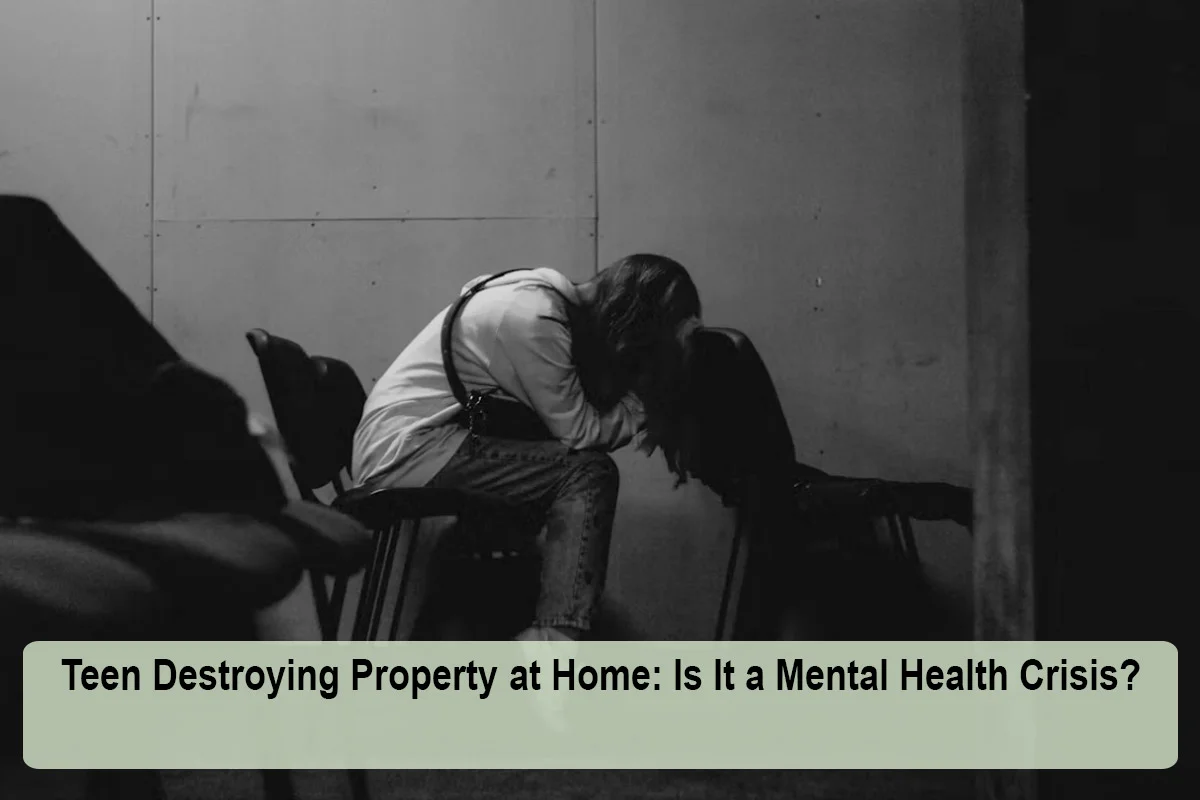
A punched hole in the wall, a shattered phone, a broken door, or furniture thrown across the room. When a teen starts destroying property at home, it is frightening for everyone in the family. Parents may feel scared, angry, and unsure whether this is an extreme tantrum or a mental health crisis. Property destruction is a clear sign that a teen's emotions have overwhelmed their ability to cope, and in some situations it signals an emergency that needs immediate help. This guide explains what property destruction means, how to tell ordinary anger from a crisis, what to do in the moment to keep everyone safe, how to respond afterward, and when to get professional or emergency help.

What Property Destruction Tells You

Unlike yelling or slamming a door, breaking things is a physical loss of control. In most cases, it is not a calculated tactic. It happens faster than a teen can think, when anger, shame, fear, or frustration floods their system. The National Institute of Mental Health explains in The Teen Brain: 7 Things to Know that the brain regions responsible for impulse control are among the last to mature, which helps explain why teens can act before thinking. But understanding the reasons never means accepting the behavior. Property destruction is unsafe and needs to be addressed.

Patterns matter more than any single incident. How often it happens, how forceful it is, whether it is aimed at people or their belongings, and how quickly your teen calms down afterward all help show how serious the situation is.

Normal Teen Anger vs. a Mental Health Crisis

Ordinary Teen AngerSigns of a Crisis
Yelling, slamming doors, or storming offBreaking walls, doors, windows, or valuable items
Calms down within a reasonable timeCannot calm down or escalates further
Reaction fits the situation, even if intenseExplosive reactions to minor frustrations
Rare outburstsFrequent or increasing episodes
Family feels frustrated but safeFamily members feel afraid or walk on eggshells
No threats toward peopleThreats, intimidation, or objects thrown near people
Normal life continuesFalling grades, sleep and appetite changes, withdrawal

What Causes Teens to Destroy Property?

  • Emotional dysregulation: Some teens have a hard time managing intense emotions and lack the skills to pause before acting.
  • Depression and anxiety: In teens, these often show up as irritability and anger. Learn more about depression and anxiety.
  • Trauma: Teens who have experienced trauma may react with explosive anger when they feel threatened or out of control.
  • ADHD: Impulsivity and low frustration tolerance can lead to sudden outbursts. See our ADHD treatment page.
  • Behavior disorders: Oppositional defiant disorder and conduct disorder can involve aggression and destruction. CDC data shows 8% of children ages 3 to 17 have a current diagnosed behavior disorder.
  • Intermittent explosive disorder: A condition involving repeated, sudden outbursts of aggression that are far out of proportion to the trigger.
  • Substance use: Alcohol, cannabis, stimulants, and other drugs, or withdrawal from them, can lower inhibitions and increase aggression.
  • Stress and situational pressure: Family conflict, school pressure, bullying, a breakup, online conflicts, and sleep loss can all push a teen past their limit.

What to Do in the Moment

  1. Put safety first. Your goal is not to win or to stop the behavior by force. It is to keep everyone safe.
  2. Create distance. Step back and give your teen space. Do not block doorways, grab them, or try to take objects from their hands, which can lead to injury.
  3. Move others to safety. Get siblings, pets, and vulnerable family members to another room or out of the house.
  4. Stay calm and quiet. Use a low voice and few words. Trying to reason, lecture, or argue during an outburst usually escalates it.
  5. Remove dangerous items if you can do so safely, such as knives, tools, or car keys.
  6. Do not threaten consequences in the moment. Address consequences later, when everyone is calm.
  7. Get help if you cannot keep the home safe. Call or text 988 for crisis support, which in many areas can connect families with mobile crisis teams, or call 911 if anyone is in immediate danger.

When to Call 911 or 988

Call 911 immediately if:

  • Someone has been hurt or is in immediate danger
  • Your teen has a weapon or is threatening to use one
  • Your teen is threatening to kill themselves or someone else
  • Your teen seems confused, paranoid, out of touch with reality, or severely intoxicated

Call or text 988, the Suicide and Crisis Lifeline, if your teen is in emotional crisis, is talking about self-harm, or you need help de-escalating and are unsure what to do. When calling 911 about a mental health crisis, tell the dispatcher it is a mental health emergency and ask whether a crisis-trained officer or mental health team is available.

Assessing Risk

Ask yourself:

  • Is property destruction getting closer to people, such as objects thrown at someone?
  • Has my teen made threats toward themselves or others?
  • Does my teen have access to weapons, medications, or other means of harm? If so, lock them up or remove them from the home.
  • Could drugs or alcohol be involved?
  • Is my teen showing signs of losing touch with reality?

The more "yes" answers, the more urgent the need for professional help.

What to Do After the Outburst

  • Let everyone calm down first. Do not rush into a long conversation right away.
  • Check on siblings. Reassure them, explain briefly and honestly what happened, and tell them it was not their fault.
  • Talk later, briefly. When your teen is calm, name what happened, explain that it is not okay, and focus on what they were feeling and what could help next time.
  • Address the damage plainly. Agree on how the damage will be repaired or paid for, such as through chores, saved money, or helping with repairs. Do not automatically replace things they broke, such as a phone.
  • Keep routines predictable. Regular sleep, meals, and structure help lower emotional intensity.
  • Get on the same page as other adults. Parents and caregivers should agree on a consistent plan.

Creating a Family Safety Plan

Once things are calm, create a written safety plan with your teen and, ideally, a therapist. Include:

  • Early warning signs that your teen is getting overwhelmed
  • Coping strategies to use before reaching a breaking point, such as leaving the room, exercise, music, or cold water
  • A safe place where your teen can go to cool off
  • What family members will do if an outburst starts
  • Who to call for help, including 988 and 911
  • Steps to secure weapons, medications, and dangerous objects

What If My Teen Only Destroys Things at Home?

Many teens hold themselves together at school and with friends, then release built-up stress at home, where they feel safest. This pattern often points to emotional overload and a lack of healthy ways to release it, rather than a teen who is simply "choosing" to misbehave. It still calls for limits and support. Ask the school whether teachers have noticed signs of stress, and consider whether pressures like academics, social problems, or online conflict are building up during the day.

When Your Teen Seems Cold or Laughs Afterward

Some teens appear indifferent, joke, or even laugh after breaking things. This can be a mask for shame or embarrassment, especially in teens who struggle to show vulnerability. Avoid reacting with anger to the reaction itself. Keep limits in place, follow through on repairs, and bring up the feelings behind the outburst later, in a calmer moment. Persistent lack of remorse alongside aggression toward people or animals should be discussed with a mental health professional.

Treatment That Helps

Repeated property destruction is a sign that your teen needs professional support. Effective treatments include:

Related guides include parenting tips for teen ODD and where to send a defiant teenager. Browse programs on our adolescent treatment page, including Nexus Teen Academy in Scottsdale. For free, confidential referrals, call the SAMHSA National Helpline at 1-800-662-4357.

The Bottom Line

A teen destroying property at home is a sign that their emotions are overwhelming their ability to cope, and it may signal a mental health crisis. In the moment, focus on safety: create distance, move others away, stay calm, and call 988 or 911 if anyone is in danger. Afterward, address the damage calmly, keep routines steady, and create a family safety plan. Repeated destruction calls for professional treatment, such as CBT, DBT, family therapy, and care for any underlying conditions.

Frequently asked questions

Focus on safety. Create distance, do not physically confront your teen, move siblings and pets to safety, stay calm and quiet, and call 988 or 911 if anyone is in danger. Address consequences later when everyone is calm.

Call 911 if someone is hurt or in immediate danger, your teen has or threatens to use a weapon, threatens to kill themselves or others, or seems confused, paranoid, or severely intoxicated. Tell the dispatcher it is a mental health emergency.

Property destruction usually reflects emotional dysregulation, sometimes linked to depression, anxiety, trauma, ADHD, behavior disorders, intermittent explosive disorder, substance use, or overwhelming stress.

Making repairs or paying back damage through chores or saved money can teach accountability. Avoid automatically replacing broken items, and discuss it calmly after the outburst, not during it.

Repeated or severe property destruction is a sign that a teen needs professional support. It can be linked to mood disorders, trauma, ADHD, behavior disorders, or substance use.

Cognitive behavioral therapy, dialectical behavior therapy, family therapy, parent training, and treatment for co-occurring conditions are commonly used. Residential treatment may help when outbursts are frequent or dangerous.

This article was reviewed by the RehabsNearMe Editorial Team for accuracy, clarity, and relevance. Information may be sourced from publicly available treatment resources, government agencies, and healthcare references where applicable.

Last reviewed: October 2026

Related articles

Top