
 Resources
Teen Destroying Property at Home: Is It a Mental Health Crisis?
Published On 18-10-2026
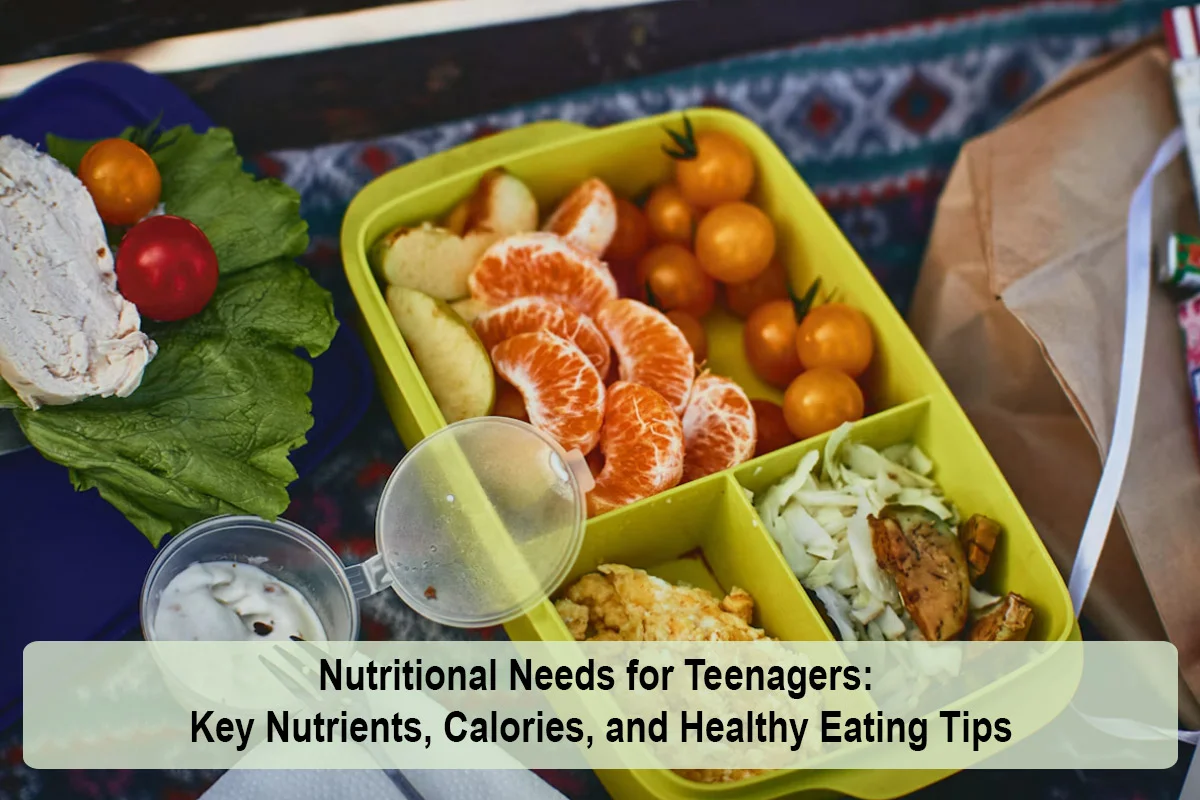
The teen years are a period of rapid growth second only to infancy. Bones lengthen and strengthen, muscles develop, hormones shift, and the brain continues to mature. All of this requires the right fuel. Yet many teenagers skip breakfast, rely on fast food and sugary drinks, or follow restrictive diets they see online. Understanding the nutritional needs of teenagers can help parents and teens make choices that support energy, focus, mood, and long-term health. This guide covers how much teens need to eat, the most important nutrients for teenagers, a sample healthy day of eating, common nutrition mistakes, the connection between food and mental health, and warning signs of disordered eating.
Calorie needs vary widely based on age, sex, growth stage, body size, and activity level. Estimates used in the federal Dietary Guidelines for Americans suggest roughly the following for ages 14 to 18:
| Activity Level | Teen Girls (14 to 18) | Teen Boys (14 to 18) |
|---|---|---|
| Sedentary | About 1,800 calories | About 2,000 to 2,400 calories |
| Moderately active | About 2,000 calories | About 2,400 to 2,800 calories |
| Active | About 2,400 calories | About 2,800 to 3,200 calories |
These are general estimates, not targets to track. Teen athletes in intense training may need more. For most teens, eating regular balanced meals and snacks and paying attention to hunger and fullness works better than counting calories.
| Nutrient | Daily Recommendation (Ages 14 to 18) | Why Teens Need It | Good Food Sources |
|---|---|---|---|
| Calcium | 1,300 mg for boys and girls | Builds bone mass during peak growth years | Milk, yogurt, cheese, fortified plant milks, tofu, leafy greens |
| Vitamin D | 600 IU (15 mcg) | Helps the body absorb calcium | Fortified milk, salmon, eggs, sunlight |
| Iron | 11 mg for boys; 15 mg for girls | Supports blood, energy, and muscle growth; girls need more after menstruation begins | Lean meat, beans, lentils, fortified cereals, spinach |
| Protein | About 52 g for boys; 46 g for girls | Builds muscle and supports growth and repair | Chicken, fish, eggs, beans, dairy, nuts, tofu |
| Magnesium | 410 mg for boys; 360 mg for girls | Supports muscles, nerves, and bones | Nuts, seeds, whole grains, beans, leafy greens |
| Zinc | 11 mg for boys; 9 mg for girls | Supports growth, immunity, and sexual development | Meat, shellfish, beans, nuts, dairy |
| Fiber | About 25 to 31 g, depending on calorie needs | Supports digestion, steady blood sugar, and fullness | Whole grains, fruits, vegetables, beans |
Calcium, iron, magnesium, and zinc values come from the National Academies' Dietary Reference Intakes, published through the National Library of Medicine.
Healthy fats from fish, nuts, seeds, olive oil, and avocado support brain development and heart health. Fatty fish like salmon and sardines provide omega-3 fatty acids.
B vitamins, including folate and B12, help the body turn food into energy and support brain function. Teens who follow vegetarian or vegan diets should pay attention to B12, iron, zinc, and calcium.
A simple way to plan meals is to fill about half the plate with fruits and vegetables, about a quarter with whole grains, and about a quarter with protein, with a serving of dairy or a fortified alternative on the side. The USDA's MyPlate offers free tools and tips for teens and families.
| Meal | Example |
|---|---|
| Breakfast | Oatmeal with milk, berries, and peanut butter, or eggs with whole-grain toast and fruit |
| Morning snack | Greek yogurt or a cheese stick with an apple |
| Lunch | Turkey and veggie wrap, carrot sticks with hummus, and milk |
| After-school snack | Trail mix, a banana, or a smoothie |
| Dinner | Grilled chicken or beans, brown rice, roasted vegetables, and a side salad |
| Evening snack (if hungry) | Whole-grain cereal with milk or popcorn |
Portion sizes should match a teen's hunger, growth, and activity level.
What teens eat can affect how they feel. Skipping meals can cause irritability and low energy, high-sugar diets can lead to energy crashes, and heavy caffeine use can worsen anxiety and sleep problems. Regular meals with protein, fiber, and healthy fats help keep energy and mood steadier. At the same time, depression and anxiety can change appetite, leading teens to eat much less or much more. If your teen's eating habits change sharply along with mood, it may be a sign of an underlying problem. Learn more about depression and anxiety in teens.
Adolescence is a common time for eating disorders to begin. Watch for:
If you notice these signs, talk with your teen's doctor promptly. Early treatment matters. Learn more on our eating disorder treatment page and about body image therapy.
Most teens will eat fast food sometimes, especially with friends. Rather than banning it, help them make better choices, such as grilled options, water or milk instead of soda, and adding fruit or a side salad. Make sure meals at home balance out the less nutritious ones.
Active teens need more calories, carbohydrates for energy, protein for muscle repair, and fluids. Encourage a balanced meal two to three hours before practice or games, a snack afterward with carbohydrates and protein, and water throughout the day. Most teen athletes can meet their needs with food rather than supplements. Talk to a doctor or sports dietitian before your teen uses protein powders, creatine, or other supplements.
Energy drinks are popular with teens but can contain large amounts of caffeine and sugar, leading to jitteriness, rapid heart rate, anxiety, and poor sleep. Water, milk, and unsweetened drinks are better choices. If your teen relies on caffeine to get through the day, it may be a sign they are not getting enough sleep. Heavy caffeine use combined with anxiety or substance use deserves a closer look; see our guide to teen vaping for related concerns about stimulants like nicotine.
Talk to your teen's doctor or a registered dietitian if your teen has very low energy, frequent illness, signs of anemia such as fatigue and pale skin, significant weight changes, a restrictive or vegan diet you are unsure about, intense athletic training, or signs of disordered eating. If eating problems come with depression, anxiety, or self-harm, a mental health professional can help. Browse programs on our adolescent treatment page, including Nexus Teen Academy in Scottsdale.
The nutritional needs of teenagers are higher than at almost any other time of life. Teens need enough calories to support growth, plus key nutrients like calcium (1,300 mg a day), vitamin D, iron (11 mg for boys and 15 mg for girls), protein, fiber, and healthy fats. Regular balanced meals, fewer sugary drinks and ultra-processed foods, and a positive, rule-free approach to food support energy, focus, and mood. Watch for signs of disordered eating, and talk to a doctor or dietitian if you have concerns.
This article was reviewed by the RehabsNearMe Editorial Team for accuracy, clarity, and relevance. Information may be sourced from publicly available treatment resources, government agencies, and healthcare references where applicable.
Last reviewed: October 2026
Resources
 Resources
 Resources
 Resources