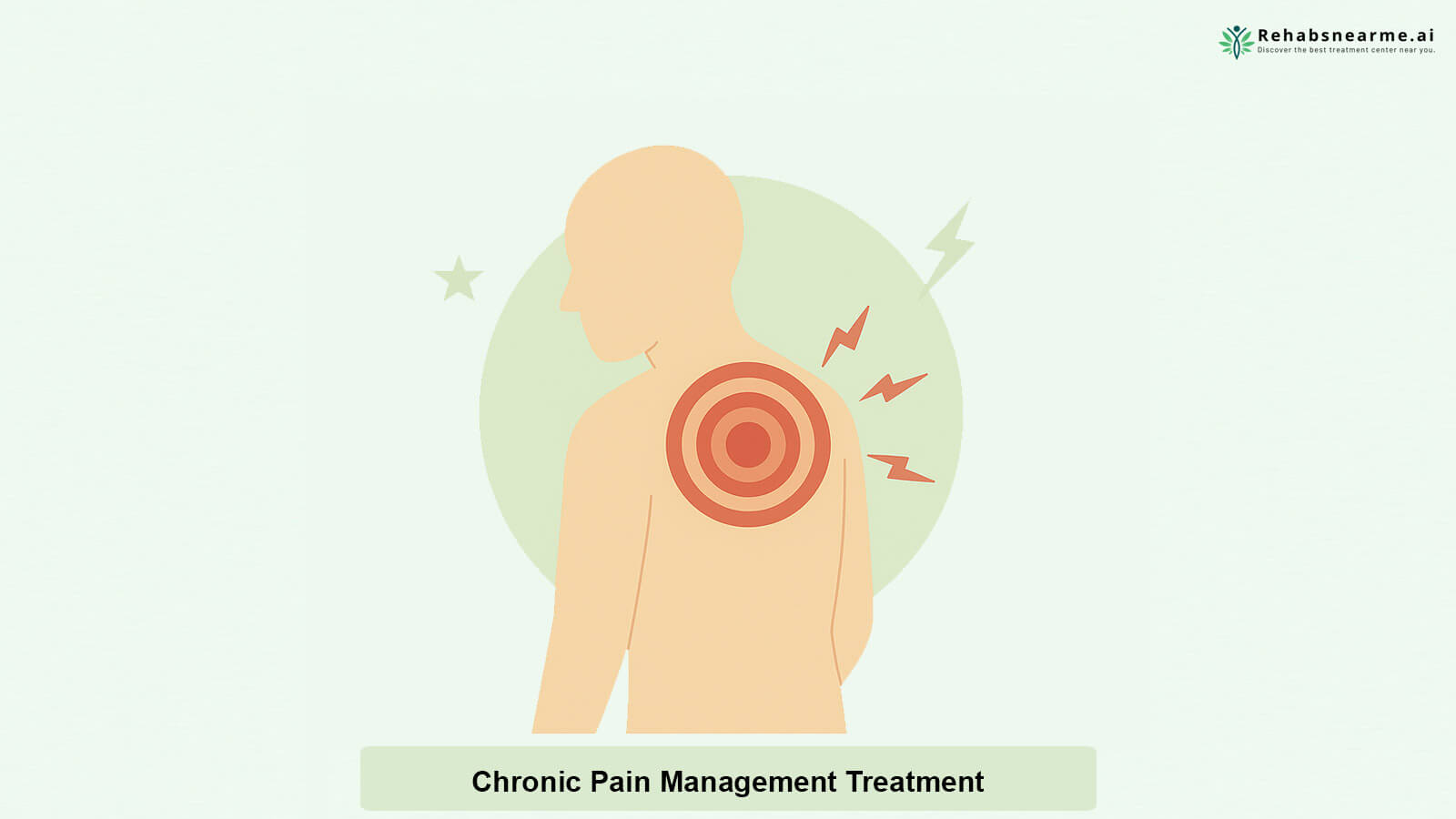
Chronic pain is typically defined as pain lasting 12 weeks or longer, even after the initial injury or medical issue has healed. It’s estimated that 1 in 5 adults experiences chronic pain, making it one of the most common—but also one of the most complex—health conditions to diagnose and treat.
Chronic pain can present as mild, moderate, or severe. It may be constant, intermittent, or flare unexpectedly. Some people develop chronic pain due to underlying conditions such as arthritis, endometriosis, nerve damage, injuries, autoimmune disorders, or inflammation. Others experience chronic pain with no clear medical cause, making treatment more challenging.
Regardless of the cause, chronic pain can be physically debilitating and have major effects on your mental health, daily function, and overall quality of life.
Causes of Chronic Pain
The causes of chronic pain vary widely and may include physical, psychological, or environmental factors.
Common physical causes include:
- Chronic injuries
- Arthritis & joint degeneration
- Nerve damage or neuropathy
- Fibromyalgia
- Endometriosis
- Autoimmune disorders
- Infections
- Post-surgical complications
Psychological factors that worsen chronic pain:
Emotional stress can manifest physically, increasing muscle tension, inflammation, and pain severity. For many people, chronic pain is the result of a mind-body connection, where physical symptoms are worsened by emotional distress.
How to Reduce Your Risk of Developing Chronic Pain
Certain lifestyle changes can reduce pain severity and prevent chronic pain from worsening:
- Prioritize mental health through therapy, meditation, or breathwork
- Stop smoking
- Limit alcohol consumption
- Maintain an active lifestyle
- Practice good sleep hygiene
- Eat a balanced, anti-inflammatory diet
While not all chronic pain is preventable, these choices can help reduce overall inflammation, stress, and long-term discomfort.
Living With Chronic Pain
Chronic pain is often invisible, which can make sufferers feel misunderstood or isolated. Leaning on supportive friends, family, or a treatment team can reduce loneliness and encourage healthier coping strategies.
People living with chronic pain can still maintain independence and live fulfilling lives with the right combination of therapy, lifestyle adjustments, and professional support.
Effective Chronic Pain Management Strategies
There are three major strategies that consistently help people manage chronic pain:
- Exercise Movement releases endorphins—your body’s natural pain relievers. You don’t need high-intensity workouts; gentle exercises like walking, stretching, yoga, swimming, or cycling can significantly reduce pain symptoms.
- Staying Active or Continuing Work Remaining engaged in daily life prevents chronic pain from becoming immobilizing. Inactivity can increase pain sensitivity, cause depression, and make returning to normal routines more difficult.
- Medication & Professional Treatment For many, combining medical support—such as physical therapy, non-opioid medications, or interventional pain treatments—with therapy leads to the best outcomes.
Questions to Ask Your Provider About Chronic Pain
When you speak with your doctor, consider asking:
- What is causing my chronic pain?
- What treatment options do you recommend?
- What are the benefits or risks of each treatment?
- What lifestyle changes could reduce my symptoms?
- Are there support groups or resources available?
- Can chronic pain fully improve?
These questions empower you to understand your options and advocate for your health.
Opioid Medication for Chronic Pain: Benefits & Risks
Opioids can sometimes offer temporary relief for severe pain, but they carry significant risks:
- Increased tolerance
- Dependency or addiction
- Withdrawal symptoms
- Reduced long-term effectiveness
If you and your provider decide opioids are necessary, create a safe-use plan to prevent misuse. If an opioid use disorder develops, a dual-diagnosis rehab program can treat both chronic pain and addiction simultaneously.
Therapies Used for Chronic Pain Treatment
Many people with chronic pain develop negative thought patterns that worsen symptoms. Therapy can break this cycle and help people regain control over their lives.
Cognitive Behavioral Therapy (CBT)
Teaches you to reduce catastrophic thinking and reframe negative thought loops that amplify pain.
Acceptance and Commitment Therapy (ACT)
Helps you accept difficult sensations and re-engage in meaningful activities instead of avoiding life due to pain.
Mindfulness-Based Stress Reduction (MBSR)
Improves awareness, relaxation, and emotional regulation by bringing you into the present moment.
Holistic Therapies
Such as yoga, acupuncture, reiki, and breathwork, which help reduce muscle tension and connect mind and body.
These therapies are often combined to create a comprehensive chronic pain treatment plan.
Continuum of Care for Chronic Pain
Treatment for chronic pain may involve multiple levels of care depending on the severity of symptoms:
- Outpatient Counseling Individual or group therapy once or twice per week.
- Intensive Outpatient Program (IOP) 3–5 sessions weekly, combining therapy, coping strategies, and goal-setting.
- Partial Hospitalization Program (PHP) Full-day treatment 5–7 days per week.
- Inpatient or Residential Treatment Live-in care in a rehab or hospital setting with 24/7 medical support.
Many chronic pain patients also require medical detox if opioid or alcohol use has developed during attempts to manage pain.
How to Support Someone with Chronic Pain
Supporting a loved one significantly improves their emotional and physical wellbeing. You can help by:
- Educating yourself about their condition
- Listening without judgment
- Respecting their limits
- Encouraging treatment
- Offering a hopeful, realistic outlook
Your support can be incredibly meaningful during their healing process.