
 Resources
Teen Destroying Property at Home: Is It a Mental Health Crisis?
Published On 18-10-2026
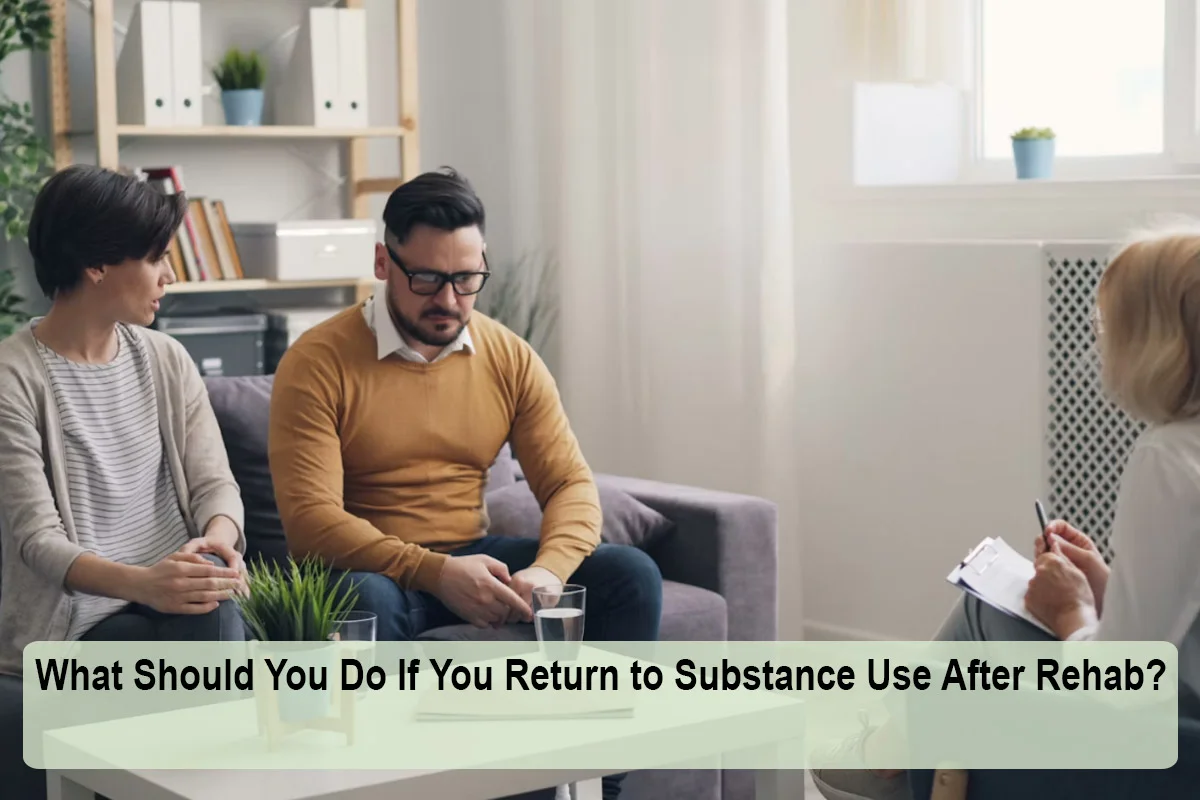
Our guide to common triggers in early recovery covers what leads up to this moment. This piece addresses the moment itself: you, or someone you love, has already returned to substance use after treatment. What you do in the hours and days immediately following matters enormously, and the research on this is more specific and more hopeful than most people expect.
Before anything else, if the substance involved is an opioid, understand that a return to use after any period of abstinence carries meaningfully elevated overdose risk, covered in more depth in our guides to opioid detox and the post-acute withdrawal timeline, because tolerance drops significantly during even a short period without use. If there is any possibility of using again, having naloxone accessible and avoiding using alone are not optional precautions to consider later; they are the single most important immediate priority, more urgent than any conversation about what this means for long-term recovery.
This distinction, developed by psychologist Alan Marlatt, matters more than almost anything else in how someone responds to this moment. A lapse is a single, initial return to use. A relapse is a return to sustained, uncontrolled use or a full abandonment of the goal to stay sober. These are not the same event, and treating a lapse as though it is automatically a full relapse is precisely the thinking pattern most likely to turn one into the other.
Marlatt was direct about why this distinction matters clinically: many recovery approaches, including some well-intentioned ones, do not always draw this line clearly, sometimes treating any use at all as equivalent to complete failure. He argued this framing does not reflect how recovery actually tends to unfold in practice, and that building the lapse-versus-relapse distinction explicitly into how people think about setbacks gives them a genuine, learnable opportunity to stop early rather than assuming the worst has already happened the moment any use occurs.
Marlatt described a specific psychological reaction that often follows a lapse, which he called the abstinence violation effect. It happens when someone perceives no meaningful difference between a single lapse and a full relapse, reasoning, in effect, "I've already broken my sobriety, so I might as well keep going." This reaction is not a personal failing; it is a well-documented, common cognitive pattern, and understanding that it has a name and a mechanism is itself a useful first step in resisting it.
Marlatt illustrated this with a simple, often-cited example from a different context: someone trying to eat healthier who has one slice of cheesecake reasons, since they have already broken their rule, they might as well finish the entire cheesecake rather than stopping at one slice. The logic is identical in substance use, and naming it this plainly can help interrupt the pattern in the moment it starts to take hold, since recognizing "this is the abstinence violation effect happening right now" creates a small but meaningful gap between the thought and the next decision.
Cognitive dissonance plays a role here as well. After a lapse, a person experiences a real, uncomfortable inconsistency between their self-image as someone committed to sobriety and the fact that they have just used. How they resolve that discomfort, through the attributions covered below, or by simply reducing the discomfort through continued use, shapes what happens next more than the initial lapse itself does.
Research on the specific attributions people make after a lapse offers a genuinely useful, more precise picture than "shame causes relapse." One study following smokers after a lapse found that self-blame and guilt immediately after a first lapse did not, on their own, predict whether that lapse progressed to a full relapse. What mattered more was whether someone attributed the lapse to a stable, global cause, "I'm just someone who can't do this," versus a specific, situational one, "that specific situation was harder than I expected, and I wasn't prepared for it." The second framing, treating the lapse as tied to a specific, addressable circumstance rather than as proof of a permanent, unchangeable trait, is associated with a better chance of returning to abstinence rather than continuing to use.
This finding is genuinely encouraging, because it means the goal after a lapse is not to eliminate every uncomfortable feeling, guilt and disappointment are normal and do not have to be suppressed, but to be deliberate about how you explain the lapse to yourself. Swapping a global, identity-level explanation for a specific, situational one is a learnable skill, not simply a matter of willpower or feeling better fast enough.
Consider someone three months into recovery from alcohol use disorder who has a single drink at a family event after an unexpectedly difficult conversation with a parent. In one version of this scenario, they think, "I've already ruined it, so there's no point stopping now," and the evening becomes a full return to heavy drinking, precisely the abstinence violation effect in action. In another version, they notice the drink, feel the urge to spiral into that same thought, but instead call their sponsor that same night, attend their next scheduled outpatient session, and specifically discuss the family conflict that preceded the lapse with their counselor. The substance use in both scenarios started identically. The outcome diverged entirely based on what happened in the hours immediately after, which is exactly why this window deserves so much specific attention.
If someone you love has lapsed, your response in this window matters too. Our guide to language and stigma is directly relevant here: framing this moment with shame, comparison, or catastrophizing language increases the risk of triggering exactly the abstinence violation effect described above. A calmer, more specific response, acknowledging what happened without treating it as a permanent verdict on the person's character, gives them a better chance of stopping at a lapse rather than sliding into sustained use.
A lapse is genuinely useful information about where your treatment plan needs adjustment, not simply a personal failure to move past quickly. Our guide to building a relapse prevention plan is worth revisiting and updating based on what this specific lapse revealed, and our guide to aftercare planning covers how to formally reassess your level of care if this lapse suggests you need additional support right now.
This article was reviewed by the RehabsNearMe Editorial Team for accuracy, clarity, and relevance. Information may be sourced from publicly available treatment resources, government agencies, and healthcare references where applicable.
Last reviewed: September 2026
Resources
 Resources
 Resources
 Resources