
 Resources
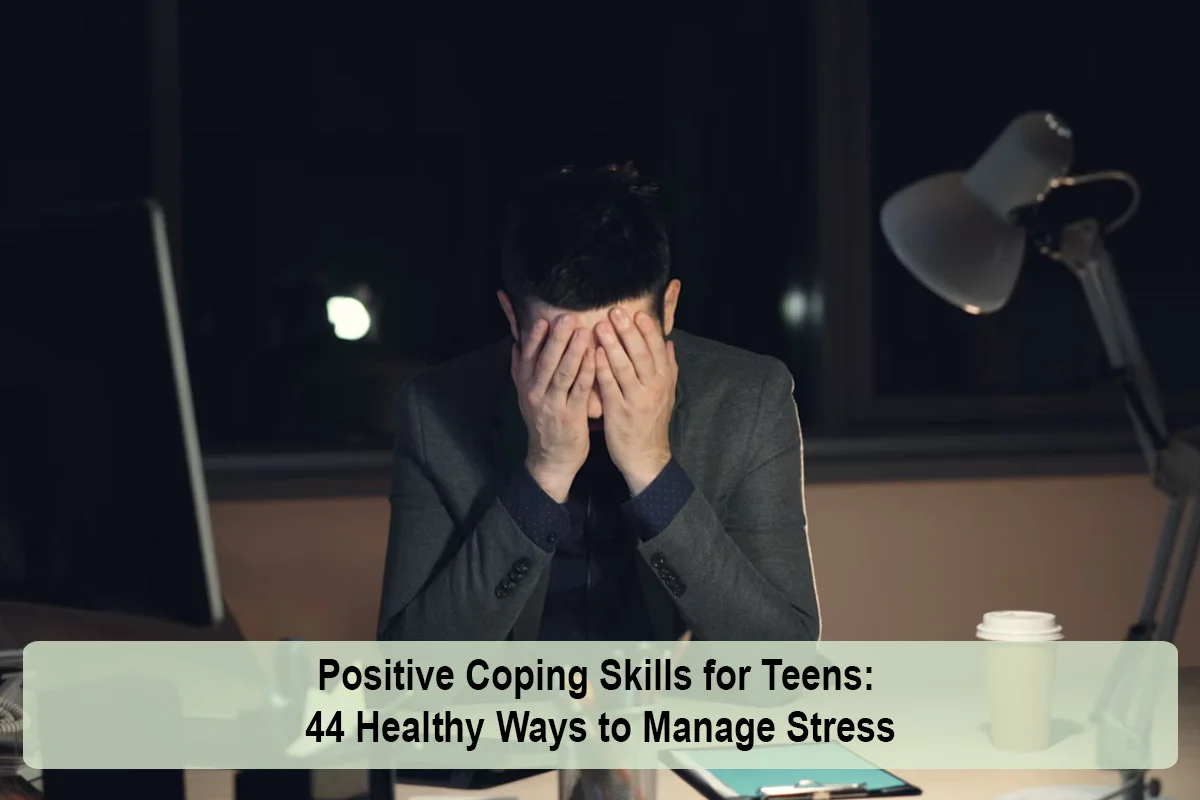
Positive Coping Skills for Teens: 44 Healthy Ways to Manage Stress
Published On 25-10-2026

The term comes up constantly in addiction treatment dual diagnosis, co-occurring disorders, integrated treatment but it's often used without much explanation of what it actually means in practice, or why it changes how treatment should be structured. Here's what's actually behind the term.
Dual diagnosis refers to the presence of both a substance use disorder and a separate mental health condition at the same time depression, anxiety, bipolar disorder, PTSD, or others. It's not a diagnosis in itself; it's a description of a common clinical pattern, and it's more the rule than the exception in addiction treatment. Research consistently finds substantial overlap between substance use disorders and mental health conditions, with a large share of people in treatment for one also meeting criteria for the other.
There's no single explanation several distinct pathways are recognized in the research:
In many cases, it's genuinely difficult to determine which came first and for treatment purposes, that's less important than addressing both conditions directly, regardless of sequence.
Historically, addiction treatment and mental health treatment were often delivered by entirely separate systems someone might be treated for depression at one provider and referred elsewhere, sometimes much later, for substance use, or vice versa. This sequential approach has a well-documented problem: an unaddressed mental health condition is a significant relapse risk during addiction treatment, and unaddressed substance use undermines mental health treatment in the same way. Treating one while ignoring the other tends to produce weaker, less durable results for both.
Integrated dual-diagnosis treatment means both conditions are addressed by the same clinical team, at the same time, as part of one coordinated plan rather than two disconnected tracks. In practice, this typically includes:
| Mental Health Condition | Common Pattern With Substance Use |
|---|---|
| Depression | Often linked with alcohol use specifically; substance use can also directly worsen depressive symptoms over time |
| Anxiety disorders | Frequently associated with self-medication using alcohol or sedatives, which can create a cycle of worsening anxiety between periods of use |
| PTSD/trauma | Strong documented association with substance use disorders, often via a self-medication pathway for intrusive symptoms or hyperarousal |
| Bipolar disorder | Elevated substance use risk during both manic and depressive episodes, for different reasons in each state |
This article was reviewed by the RehabsNearMe Editorial Team for accuracy, clarity, and relevance. Information may be sourced from publicly available treatment resources, government agencies, and healthcare references where applicable.
Last reviewed: August 2026
Resources
 Resources
 Resources
 Resources