What Is Biochemical Restoration?
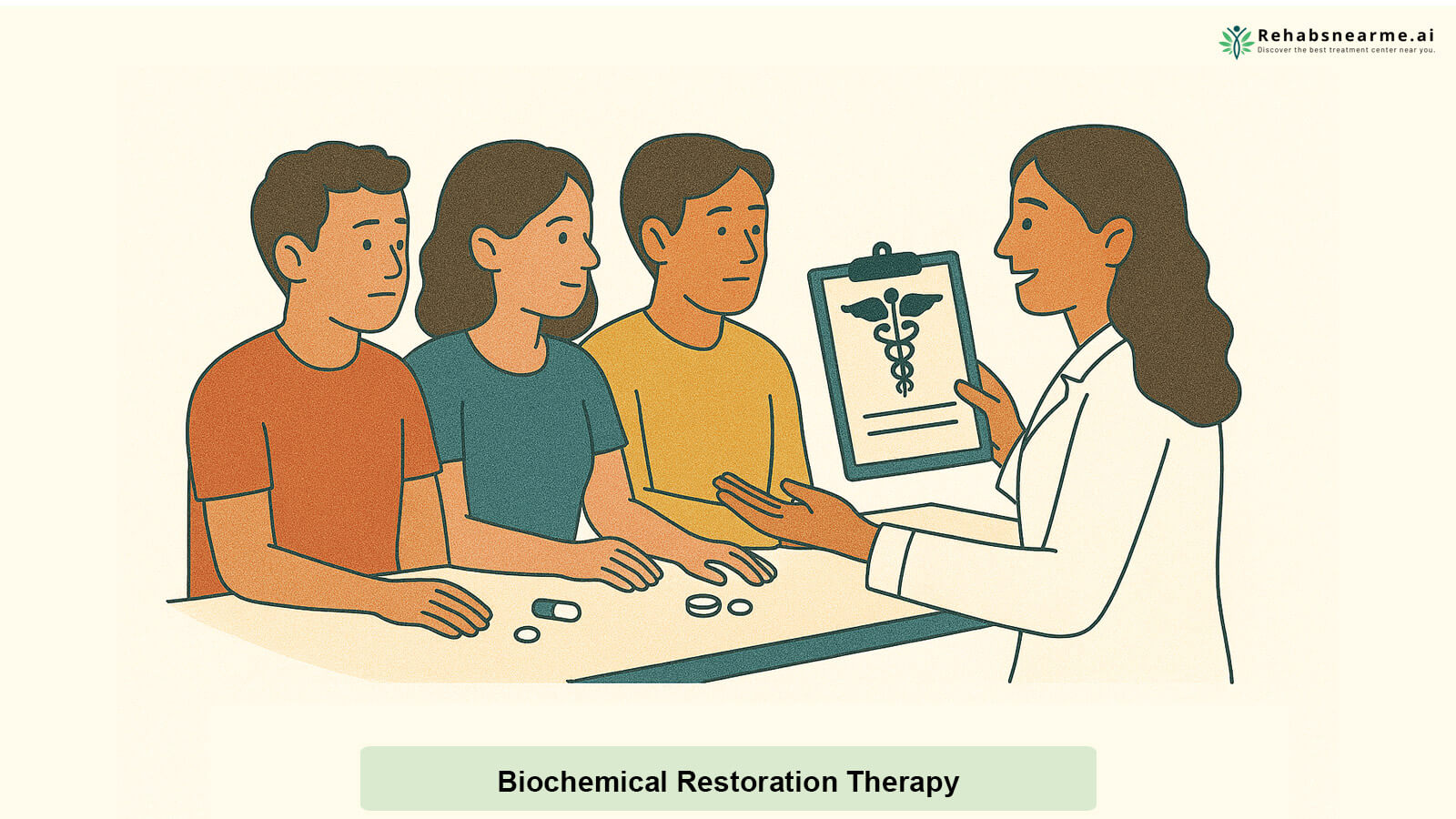
Biochemical restoration is a therapy approach that uses targeted nutrition, supplementation, and medical support to restore balance in the brain and body after substance use.
The goal is to correct deficiencies, stabilize neurotransmitter function, and improve overall physical health—making it easier for individuals to engage in therapy and maintain long-term recovery.
This approach is commonly used in advanced or holistic rehab programs that recognize addiction as both a psychological and physiological condition.
Why Brain Chemistry Matters in Recovery
Substance use directly impacts key neurotransmitters such as dopamine, serotonin, and GABA—chemicals responsible for mood, motivation, and emotional regulation.
When these systems are disrupted, individuals may experience:
- Persistent cravings
- Low mood or depression
- Anxiety and irritability
- Poor sleep quality
- Low energy and fatigue
Biochemical restoration works to stabilize these systems, reducing the intensity of these symptoms and supporting a more balanced recovery process.
Core Components of Biochemical Restoration
This therapy is typically personalized and may include a combination of the following:
- Nutritional therapy: Replenishing vitamins, minerals, and amino acids
- Supplement protocols: Targeted support for neurotransmitter production
- Dietary adjustments: Improving gut health and metabolic function
- Medical monitoring: Tracking progress and adjusting treatment
- IV nutrient therapy (in some programs): Rapid replenishment of deficiencies
Each plan is tailored based on individual health needs, substance history, and lab testing when available.
What Biochemical Restoration Helps With
This approach is particularly effective in addressing symptoms that are often difficult to manage in early recovery:
- Drug and alcohol cravings
- Post-acute withdrawal symptoms (PAWS)
- Depression and mood instability
- Anxiety and stress sensitivity
- Sleep disturbances
- Low energy and mental fog
By improving physical health, individuals often experience better emotional stability and increased motivation for recovery.
Biochemical Restoration vs Traditional Therapy
| Feature |
Biochemical Restoration |
Traditional Therapy |
| Focus |
Brain chemistry & physical health |
Behavior & thought patterns |
| Approach |
Nutritional & medical |
Psychological |
| Goal |
Stabilize body and brain |
Change behavior and thinking |
| Best Used |
Alongside therapy |
Core treatment |
The most effective treatment programs combine both approaches for a full-spectrum recovery plan.
What to Expect in a Program
Biochemical restoration is typically integrated into a broader treatment plan and begins with an assessment of nutritional and physical health.
- Initial evaluation (diet, symptoms, possible lab work)
- Personalized supplementation plan
- Ongoing monitoring and adjustments
- Integration with therapy and counseling
Progress may be gradual, but many individuals notice improvements in energy, mood, and cravings within the first few weeks.
Cost of Biochemical Restoration
- With insurance: May be partially covered if medically supervised
- Without insurance: Costs vary depending on supplements and services
- Rehab programs: Often included in comprehensive care plans
Advanced testing or IV therapies may involve additional costs.
How to Find Biochemical Restoration Near You
If you're searching for biochemical restoration therapy near me, consider:
- Medical detox and rehab centers
- Holistic addiction treatment programs
- Functional medicine clinics
- Integrative health providers
Look for programs that combine nutritional therapy with clinical oversight.
Repair the Foundation of Recovery
Recovery isn’t just about stopping substance use—it’s about rebuilding what was affected.
Biochemical restoration helps repair the foundation, giving your body and brain the support they need to function properly again.
✔ Supports Brain Chemistry Balance
✔ Reduces Cravings & Withdrawal Symptoms
✔ Improves Energy, Mood & Sleep
👉 Find biochemical restoration programs near you
👉 Explore comprehensive treatment options
👉 Start rebuilding your health today