
 Resources
Teen Destroying Property at Home: Is It a Mental Health Crisis?
Published On 18-10-2026
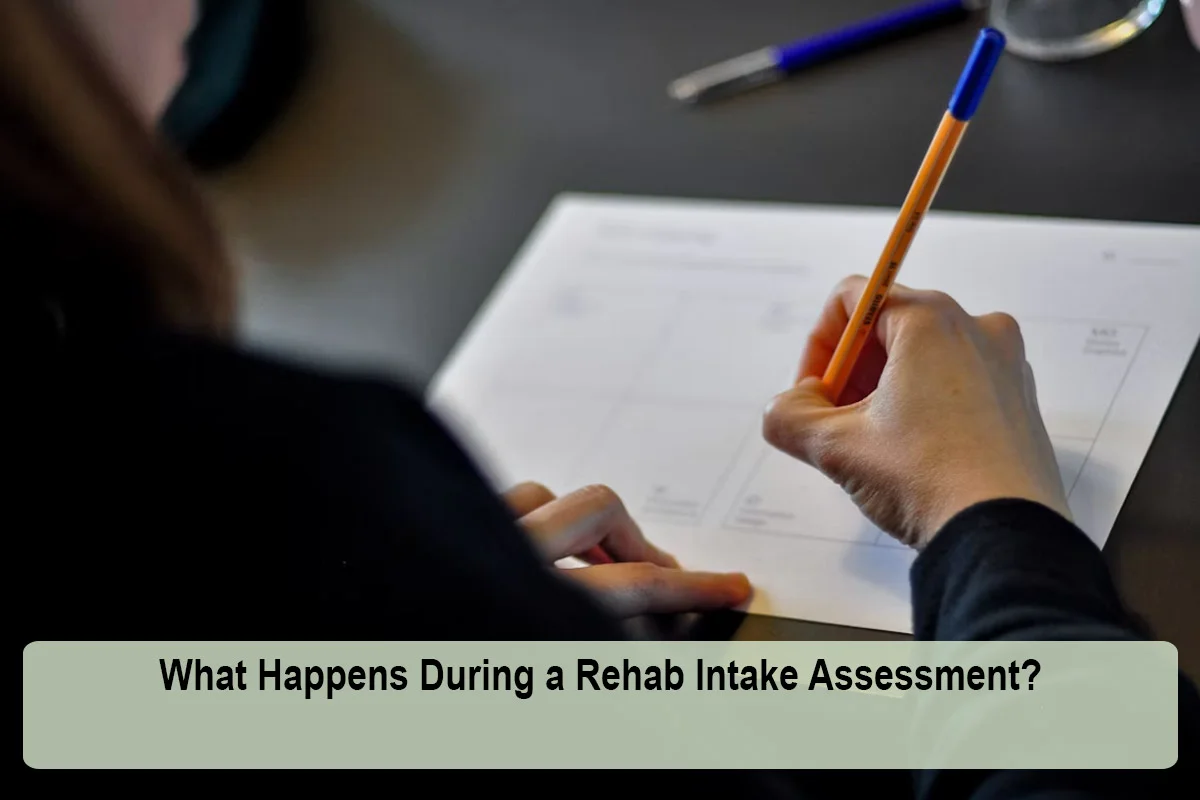
Our guide to the pre-admission clinical assessment covers the ASAM-based diagnostic evaluation, the questions and screening tools that determine your level of care. This piece covers something different: what actually happens physically and administratively on the day you arrive, before or alongside that clinical process. These are often two separate events, and knowing what to expect from the arrival-day logistics specifically removes a source of anxiety the clinical piece alone doesn't address.
When you arrive, whether by car, facility pickup, or after a flight, the first steps are typically administrative rather than clinical. Staff will confirm your identity, usually with a photo ID, and check you against the admission that was scheduled during your pre-admission process. If insurance verification was not fully completed beforehand, this is often when remaining paperwork or verification steps get finalized, so having your insurance card and any requested documents readily accessible speeds this part along considerably.
Nearly every residential facility conducts some form of belongings inventory and search on arrival, directly connected to the restricted-items categories covered in our guide to what not to bring to rehab. This is not typically an adversarial process; staff are usually straightforward about it, explaining what they're checking for and why as they go through your bag. Items that fall into restricted categories, certain medications, alcohol-containing products, prohibited electronics, are generally set aside and cataloged, often returned at discharge rather than confiscated outright. Medications specifically are usually inventoried carefully and transferred to the facility's medical staff for supervised dispensing going forward, rather than remaining in your possession.
This process typically also includes a brief physical search for safety, similar in spirit to security screening at other institutional settings, checking for anything that fell into the self-harm risk category covered in our restricted-items guide. Staff experienced with this process generally move through it efficiently and respectfully, aware that this moment can feel invasive or embarrassing, particularly for someone already anxious about entering treatment. If something about the process feels unclear or uncomfortable, asking staff directly what they're looking for and why is entirely reasonable and usually answered without hesitation.
Alongside or shortly after the belongings check, a nurse or medical staff member typically conducts a basic physical intake: blood pressure, pulse, temperature, and a general health screening, along with documenting any visible injuries or health concerns. If your pre-admission assessment already flagged withdrawal risk, this is also typically when an initial formal withdrawal scoring, using tools like COWS for opioids or CIWA-Ar for alcohol, covered in more depth in our guides to those specific processes, begins in earnest, setting a baseline against which your care team will track changes over the coming hours and days.
A substantial amount of arrival-day time typically goes toward paperwork: a treatment consent form, confirmation of your rights as a patient, a financial agreement outlining what you're responsible for, and, importantly, a specific consent form addressing who the facility can and cannot share information with, governed by federal confidentiality protections for substance use treatment records. This is worth reading carefully rather than signing reflexively, since it directly determines whether and how your treatment team can communicate with family members, an employer, or anyone else during your stay.
Take particular care with the confidentiality authorization specifically, since this is the document that will govern whether your treatment team can, for example, confirm your enrollment to a family member who calls checking on you, or discuss your progress with a referring therapist. Many programs offer a fairly granular level of control, allowing you to name specific people who can receive specific types of information, rather than an all-or-nothing choice. Taking a few extra minutes to think through who you actually want informed, and about what, is worth the pause even amid an otherwise busy intake day.
Once the administrative and medical intake steps are complete, most programs provide a facility orientation: a tour of the physical space, an introduction to the daily schedule, a review of house rules and expectations, and an introduction to your assigned counselor or primary therapist. This is also typically when room assignments happen for residential programs, and when you meet some of the peers you'll be in treatment alongside.
A good orientation covers more than just the physical layout. It typically includes a clear explanation of the facility's phone and device policy, the specific blackout period and how it will expand over time, covered in more depth in our guide to phone policies in rehab, along with visiting hours, meal times, and how to request support outside of scheduled sessions if something urgent comes up. Programs that handle this step well tend to reduce a significant amount of first-week anxiety simply by making the unknown known upfront, rather than leaving new patients to piece together the facility's actual rhythms through trial and error over the following days.
| Step | What Happens | Typical Duration |
|---|---|---|
| Arrival and ID verification | Confirming identity and admission details | 15 to 30 minutes |
| Belongings check | Inventory and search against restricted items | 15 to 30 minutes |
| Medical intake | Vitals, physical screening, initial withdrawal scoring if relevant | 30 to 60 minutes |
| Clinical assessment | The ASAM-based biopsychosocial evaluation, if not already completed pre-admission | 60 to 90 minutes |
| Paperwork and consent | Treatment consent, financial agreement, confidentiality authorization | 20 to 40 minutes |
| Orientation | Facility tour, schedule review, counselor introduction | 30 to 60 minutes |
Total arrival-day intake commonly takes three to five hours from start to finish, though this varies considerably by facility and by how much of the clinical assessment was already completed before you arrived.
Consider someone whose pre-admission clinical assessment was completed entirely by phone in the days before arrival, insurance already verified and a bed already confirmed. Their arrival day moves relatively quickly: ID check, belongings inventory, a shorter medical intake to confirm nothing has changed since the phone assessment, paperwork, and orientation, wrapping up in closer to two to three hours. Now consider someone who called only the day before, with a facility that had to complete the full clinical assessment on arrival rather than in advance. Their intake day runs considerably longer, closer to five or six hours, simply because more of the process is happening in person rather than having been front-loaded before travel. This is one more reason completing as much of the pre-admission process as possible before arrival day tends to make that first day meaningfully smoother.
Our guide to what to pack for rehab and guide to what not to bring cover the packing side of this process in more detail, and our guide to the first 30 days of treatment picks up right where this arrival-day process leaves off.
This article was reviewed by the RehabsNearMe Editorial Team for accuracy, clarity, and relevance. Information may be sourced from publicly available treatment resources, government agencies, and healthcare references where applicable.
Last reviewed: September 2026
Resources
 Resources
 Resources
 Resources