
 Resources
Teen Destroying Property at Home: Is It a Mental Health Crisis?
Published On 18-10-2026
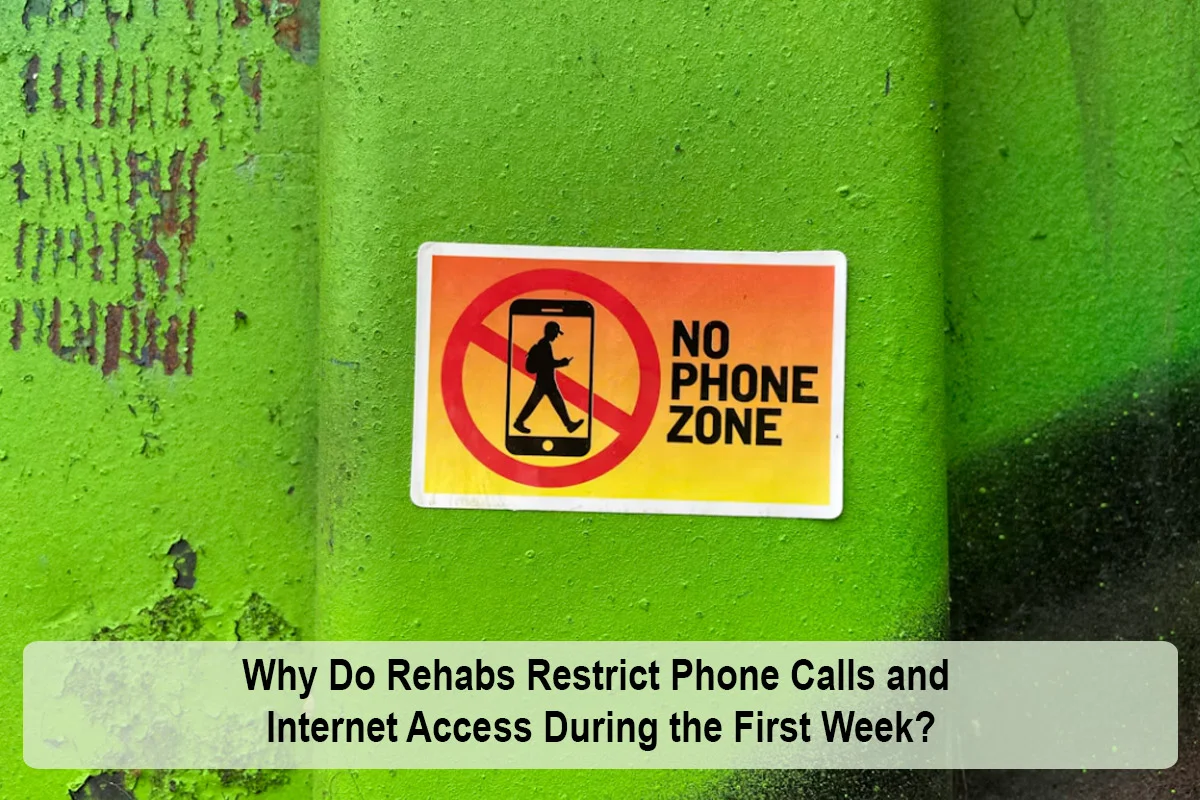
One of the first things people learn about residential rehab is that they may not be able to call home, check social media, or answer work emails for the first several days. To many, this "blackout period" feels harsh or even punitive, especially for adults used to being constantly connected. But the restriction is rarely arbitrary. It is designed around what happens in the brain, the body, and the family system during the first week of treatment, which is also the period when people are most likely to leave early. This guide explains the clinical reasoning behind first-week communication limits, what research says about early treatment engagement, how families can help, and when a restriction may go too far.
For details on what programs typically allow, see our companion guides on bringing your phone to rehab and using a laptop in rehab. This article focuses on why the first week is treated differently.
Policies vary widely, but common patterns include:
Many people arrive in rehab during or just after withdrawal. Withdrawal from alcohol, opioids, benzodiazepines, and stimulants can cause anxiety, agitation, poor sleep, irritability, depression, and in some cases confusion. These states make impulsive decisions much more likely. A late-night call to a partner, a text to a friend who still uses, or an angry message to an employer can feel urgent in the moment and be regretted later. Limiting communication during this window protects people from decisions made when their brain is least able to weigh consequences. Our overview of withdrawal symptoms explains why the first days are so difficult.
Leaving treatment against medical advice is most common early in a stay. Cravings, discomfort, homesickness, and ambivalence all peak in the first days. A phone call can quickly turn into a plan to leave: a friend offers a ride, a partner agrees that treatment seems unnecessary, or a dealer reaches out at exactly the wrong moment.
Staying in treatment long enough matters. The National Institute on Drug Abuse's Principles of Drug Addiction Treatment identifies remaining in treatment for an adequate period of time as critical to effectiveness, and notes that because people often leave treatment prematurely, programs should include strategies to engage and keep patients. A short communication pause during the highest-risk days is one such strategy.
A phone is not just a way to call family. It may contain contacts for dealers, people who still use, group chats centered around drinking, dating apps, and social media feeds full of cues. Even photos and old messages can trigger cravings. In the first week, when cravings are strongest and coping skills are new, this access can undermine treatment. Our guide to common triggers in early recovery explains how cues provoke cravings.
Many people enter treatment in the middle of chaos: relationship conflict, legal problems, financial pressure, work fallout. Constant contact keeps them pulled into those crises, managing them from a distance instead of focusing on their own recovery. A brief pause gives space to stabilize. Clinical staff can often help with urgent matters, such as notifying an employer or arranging legal communication, without the patient carrying them alone.
Recovery depends heavily on connection. In the first week, people form relationships with counselors, peers, and staff that become a source of support. When someone spends free time on their phone, they miss the informal conversations, shared meals, and peer support that make residential care effective. Limiting outside contact early encourages people to lean into the community around them.
Families often carry years of hurt, fear, and anger, and patients often carry guilt and defensiveness. Unstructured calls in the first days can quickly become arguments, manipulation, or pleas to come home. Some patients, overwhelmed by early treatment, may pressure family members to pick them up. Clinically guided contact, often starting with a family session, helps both sides communicate more safely. Our guide to supporting a loved one in rehab offers practical guidance for families during this period.
Sleep is badly disrupted in early recovery, and screens make it worse. Late-night scrolling, blue light, and emotionally charged messages interfere with rest at the time the brain most needs it. Removing devices supports better sleep routines and reduces overstimulation.
A communication pause should never cut a patient off from essential rights or safety. Patients generally keep:
Specific rights vary by state and program type. Ask the program for its written patient rights policy before admission.
| Phase | Typical Communication Approach |
|---|---|
| Days 1 to 3 | Devices stored; staff provide updates to designated contacts with consent; emergency contact only |
| Days 4 to 7 | Short supervised or scheduled calls may begin; first family session may be scheduled |
| Week 2 and beyond | Regular scheduled calls; visitation often begins; phone access may expand in phases |
| Later in treatment and step-down care | More independent device use as part of practicing real-world skills |
Executive and professional programs sometimes allow structured work time earlier. Those arrangements should be clinically supervised.
Communication limits are a clinical tool, not a requirement for every person. Flexibility may be appropriate for:
Be cautious if a program forbids all outside contact indefinitely, refuses to explain its policies, prevents you from leaving, or uses isolation as punishment. Those are not standard clinical practices and may warrant a report to the state licensing agency.
The blackout period is temporary, but it can reveal how much phones affect mood, sleep, and cravings. Many people use the later weeks of treatment to plan healthier digital habits for life after rehab. Common strategies include keeping phones out of the bedroom, turning off notifications from social media, unfollowing accounts that glamorize drinking or drug use, keeping recovery apps and sponsor contacts easy to reach, and setting specific times to check email. Counselors can help turn these choices into part of a relapse prevention plan, so that returning to constant connectivity supports recovery rather than threatening it.
Our guide to the first 30 days of rehab explains what else to expect early in treatment.
The SAMHSA National Helpline at 1-800-662-4357 offers free, confidential referrals 24 hours a day, and FindTreatment.gov lists licensed programs nationwide.
Rehabs restrict phone calls and internet access during the first week because that is when withdrawal clouds judgment, cravings peak, people are most likely to leave early, and outside crises and triggers can easily pull them away from care. NIDA identifies staying in treatment long enough as critical to success, and a short communication pause is one way programs protect that. Good programs explain their policies, keep families informed with consent, preserve patients' basic rights, and restore access gradually. Knowing the reasons ahead of time can make the blackout feel less like isolation and more like protection.
This article was reviewed by the RehabsNearMe Editorial Team for accuracy, clarity, and relevance. Information may be sourced from publicly available treatment resources, government agencies, and healthcare references where applicable.
Last reviewed: October 2026
Resources
 Resources
 Resources
 Resources