
 Resources
Teen Destroying Property at Home: Is It a Mental Health Crisis?
Published On 18-10-2026
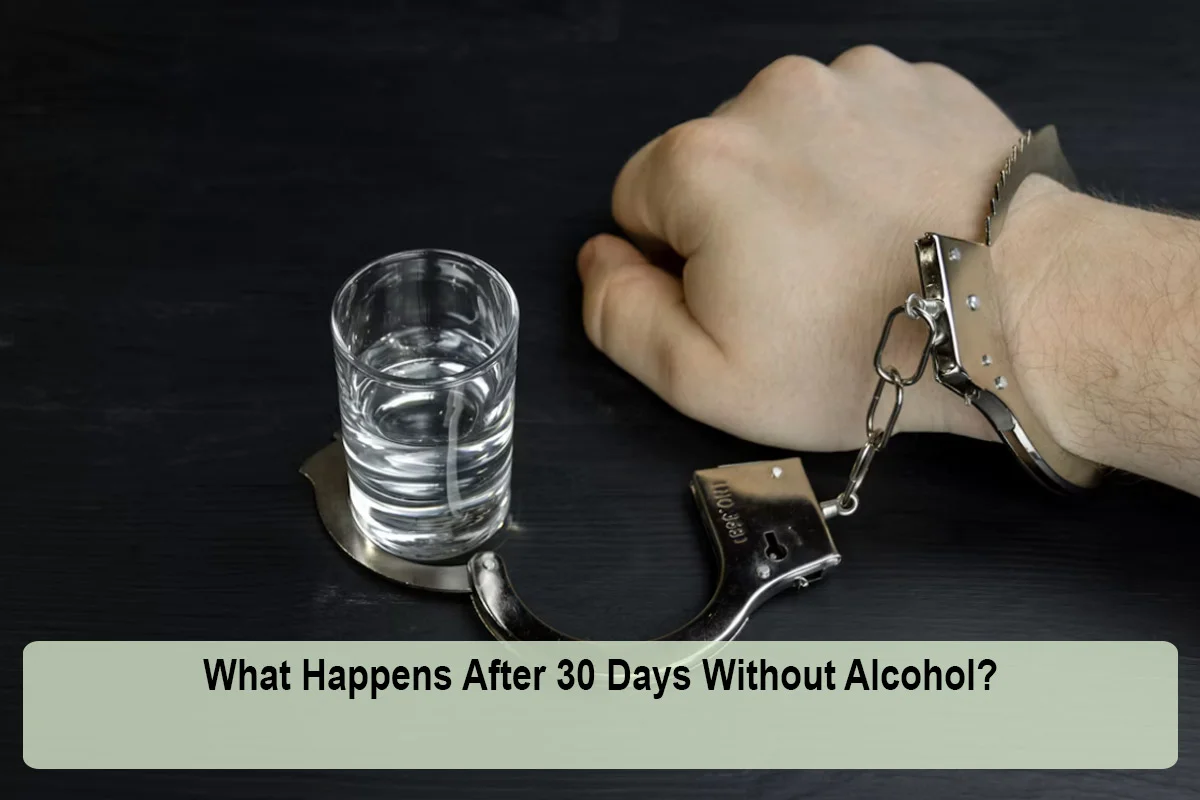
Thirty days without alcohol has become a popular challenge, from Dry January to Sober October, and a common first milestone for people in recovery. But what actually changes in the body and brain over a month without drinking? The answer depends a lot on how much you drank before. A moderate drinker may notice better sleep and more energy. A heavy drinker may go through withdrawal first and then see bigger improvements. This guide walks through what typically happens week by week, what research shows about measurable health changes after one month, what does not change that quickly, and how to know if quitting was harder than it should have been.
If you drink heavily every day, or if you have had shaking, sweating, anxiety, or other withdrawal symptoms when you cut back, do not stop suddenly without medical advice. Alcohol withdrawal can cause seizures and delirium tremens, which can be life-threatening. A doctor can help you stop safely, sometimes with medically supervised withdrawal. Our guide on whether you need detox before stopping alcohol explains how to tell.
One of the most cited studies on short-term abstinence was published in BMJ Open in 2018 by researchers at the Royal Free Hospital in London. Available through the National Institutes of Health's PubMed Central archive, the study followed 94 moderate-to-heavy drinkers who stopped drinking for one month and compared them with 47 people who kept drinking. People with alcohol dependence or known liver disease were excluded.
Among those who abstained, researchers found:
The group that kept drinking showed no significant changes, and the improvements were not explained by changes in diet, exercise, or smoking. The study was observational and relatively small, so it cannot prove long-term health benefits, but it shows that meaningful physical changes can begin within a single month.
| Time Without Alcohol | What Often Happens |
|---|---|
| Days 1 to 3 | Heavy drinkers may experience withdrawal: anxiety, shakiness, sweating, poor sleep, irritability. Lighter drinkers may notice cravings at usual drinking times and some restlessness. |
| Days 4 to 7 | Acute withdrawal usually eases for those who had it. Sleep may still be disrupted, and vivid dreams are common as REM sleep rebounds. |
| Week 2 | Sleep often begins to improve. Many people report more energy, better hydration, and fewer stomach problems such as acid reflux. |
| Week 3 | Mood and focus often improve. Skin may look clearer and less puffy. Cravings tend to become less frequent, though cues can still trigger them. |
| Week 4 | Measurable improvements may appear in blood pressure, weight, and blood sugar regulation. Many people notice a clearer head, better sleep, and saved money. |
Experiences vary widely. Some people feel worse before they feel better, especially if they were using alcohol to manage anxiety, stress, or sleep.
Alcohol can make people fall asleep faster, but it disrupts sleep later in the night and suppresses REM sleep. In the first week without alcohol, sleep may feel worse, with trouble falling asleep and vivid dreams. For many people, sleep quality improves noticeably by weeks two to four. Heavy, long-term drinkers can have sleep problems that last longer, sometimes for months, and may benefit from cognitive behavioral therapy for insomnia rather than sleeping pills.
Many people report sharper thinking and steadier mood after a few weeks. For people who drank heavily, the brain is recovering from long-term changes in chemical signaling, which can cause anxiety, irritability, and brain fog early on. These usually ease over weeks to months. Our guide to brain fog after drinking explains the recovery timeline.
If depression or anxiety does not improve after several weeks without alcohol, it may be an independent condition that deserves its own treatment.
The liver is remarkably resilient. Fatty liver, an early stage of alcohol-related liver damage, can begin improving within weeks of stopping drinking and often reverses with sustained abstinence. Liver enzyme levels may also improve. More advanced damage, such as alcoholic hepatitis or cirrhosis, does not reverse in 30 days, but stopping drinking is still the most important step to prevent further harm. Anyone with known liver disease should be under a doctor's care.
Alcohol raises blood pressure, and reducing or stopping drinking is one of the most effective lifestyle changes for lowering it. In the 2018 study above, blood pressure fell by about 6 percent in one month. Heart rate and heart rhythm may also improve, especially in people prone to irregular rhythms after heavy drinking.
Alcohol is calorie-dense, and drinking often leads to late-night eating. Many people lose some weight in a month without alcohol, though some substitute sugary drinks or snacks for alcohol. Blood sugar regulation often improves, as shown by the drop in insulin resistance in the research above. Digestive problems such as heartburn, gastritis, and irregular bowel habits often ease as the stomach lining recovers.
Alcohol dehydrates the body and dilates blood vessels, which can cause puffiness, redness, and dull skin. After a few weeks without drinking, many people notice their face looks less swollen and their complexion clearer.
Some benefits of stopping drinking build over years rather than weeks. The U.S. Surgeon General's 2025 advisory on alcohol and cancer risk identified alcohol as the third leading preventable cause of cancer in the United States, linked to at least seven types of cancer. Reducing alcohol intake lowers that risk over time. The Centers for Disease Control and Prevention also tracks how excessive drinking contributes to injuries, liver disease, heart disease, and other preventable deaths.
For many people, the hardest part of a month without alcohol is social rather than physical. Work events, dinners, celebrations, and weekends may revolve around drinking. Some people find friends are supportive, while others feel pressure to drink. Non-alcoholic beer, wine, and mocktails have become widely available and can make social situations easier. Many people also find that a month without alcohol improves relationships: fewer arguments, more presence with family, and more reliable follow-through on plans.
Our guide to common triggers in early recovery covers how to anticipate and manage high-risk moments.
A month without alcohol can be revealing. If you could not make it through, if you experienced withdrawal symptoms, or if you spent much of the month thinking about drinking, that is useful information rather than a failure. It may suggest that alcohol has become more central to your life than you realized. Signs worth paying attention to include:
Our guide to signs of alcohol dependence explains what these patterns may mean. According to NIAAA, about 27.9 million Americans ages 12 and older had alcohol use disorder in 2024, so if this describes you, you are far from alone.
Some people use a month without alcohol to reset and return to lower-risk drinking. Others feel so much better that they decide to continue. For people with alcohol use disorder, longer-term abstinence is often the safest path. Whatever you choose, notice what you learned during the month. If cutting back on your own has not worked, effective help exists, including medications such as naltrexone and acamprosate, therapy, and mutual support groups. NIAAA's Alcohol Treatment Navigator and the SAMHSA National Helpline at 1-800-662-4357 can help you find care.
Thirty days without alcohol can bring better sleep, more energy, clearer thinking, healthier-looking skin, and measurable improvements in blood pressure, weight, and blood sugar regulation. A 2018 study found that one month of abstinence reduced insulin resistance by about 26 percent and blood pressure by about 6 percent in moderate-to-heavy drinkers. Heavy drinkers should get medical guidance before stopping because withdrawal can be dangerous. And if the month was much harder than expected, that is a signal worth taking seriously, with support available whenever you are ready.
This article was reviewed by the RehabsNearMe Editorial Team for accuracy, clarity, and relevance. Information may be sourced from publicly available treatment resources, government agencies, and healthcare references where applicable.
Last reviewed: October 2026
Resources
 Resources
 Resources
 Resources