
 Resources
Teen Destroying Property at Home: Is It a Mental Health Crisis?
Published On 18-10-2026
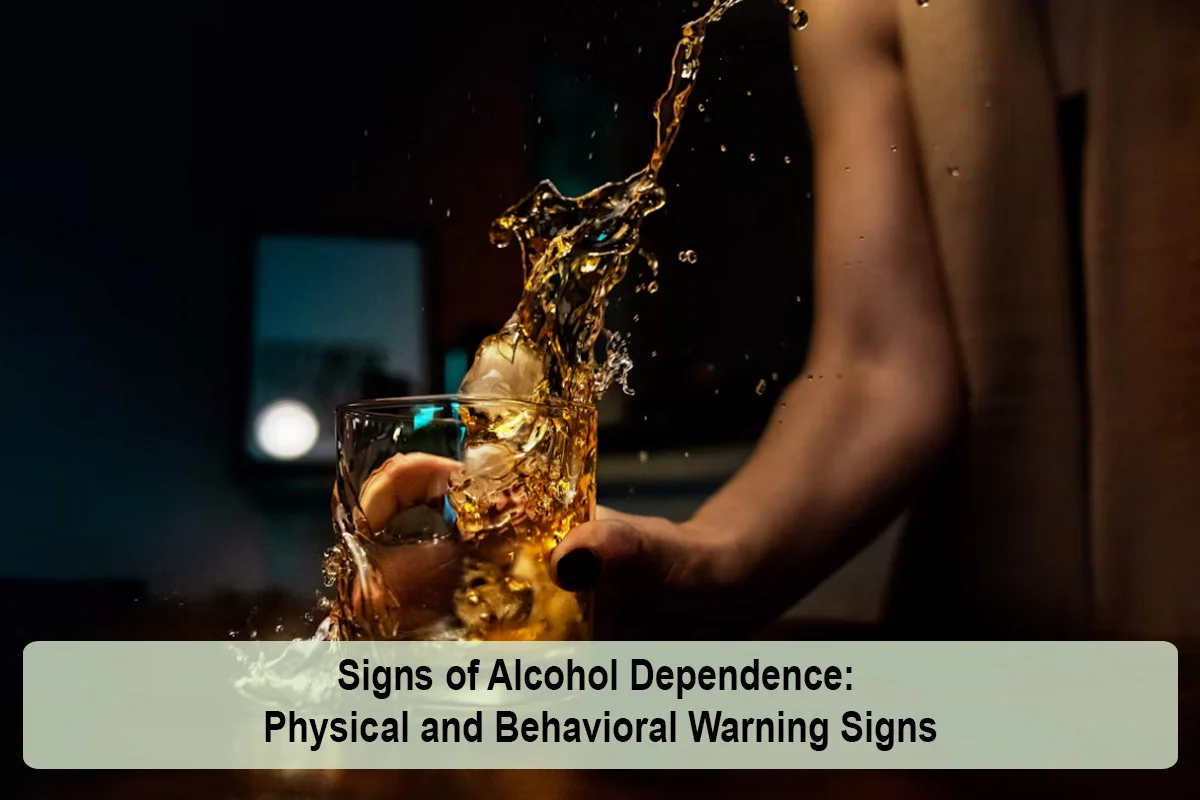
Alcohol dependence describes a state in which the body and brain have adapted to regular drinking so thoroughly that stopping causes problems. People who are dependent often need more alcohol to feel its effects, feel unwell when they go without it, and drink partly to avoid feeling worse. Dependence can develop gradually and quietly, often in people who hold jobs, raise families, and do not see themselves as having a drinking problem. This guide explains the physical and behavioral signs of alcohol dependence, how it differs from heavy drinking and from alcohol use disorder, and when it becomes unsafe to stop on your own.
The term has two related meanings:
Today, people and many health resources still use "alcohol dependence" to describe drinking that has become physically and psychologically entrenched. In practice, it generally corresponds to moderate or severe AUD with signs of physical dependence. If you want to understand the full AUD criteria, our guide on when drinking becomes alcohol use disorder walks through them. This article focuses on the signs that the body and daily life have come to depend on alcohol.
Many people who drink too much are not dependent. A study published by the Centers for Disease Control and Prevention in its journal Preventing Chronic Disease analyzed national survey data and found that about 90 percent of adults who drank excessively did not meet the criteria for alcohol dependence. Overall, about 3.5 percent of U.S. adults met the criteria.
That finding matters in two directions. It means heavy drinking is common and can often be reduced without intensive treatment. It also means that when dependence does develop, it reflects a meaningful change that deserves serious attention. Alcohol use disorder more broadly affects about 27.9 million people ages 12 and older in the United States, according to NIAAA's analysis of the 2024 National Survey on Drug Use and Health.
Needing noticeably more alcohol to feel relaxed or intoxicated, or feeling much less effect from the usual amount, is one of the earliest signs. Friends may comment that you "hold your liquor well." That is not a sign of strength. It is a sign the brain has adapted.
When blood alcohol drops, a dependent person may experience:
A classic sign is drinking to feel normal rather than to feel good. This might look like a morning drink to steady the hands, sometimes called an "eye-opener," drinking at lunch to get through the afternoon, or keeping alcohol nearby to prevent symptoms from starting.
Long-term heavy drinking can also cause high blood pressure, stomach problems, abnormal liver tests, frequent infections, numbness or tingling in the hands and feet, and poor sleep. These are not signs of dependence by themselves, but they often accompany it.
Under DSM-5, clinicians count how many of 11 criteria a person has experienced in the past year. Tolerance and withdrawal are two of those criteria.
| Number of Criteria Met | AUD Severity | What It Often Looks Like |
|---|---|---|
| 2 to 3 | Mild | Drinking more than intended, some failed attempts to cut back, early warning signs |
| 4 to 5 | Moderate | Clear loss of control, cravings, growing consequences; tolerance may be present |
| 6 or more | Severe | Often includes tolerance and withdrawal, drinking to relieve symptoms, major life impact |
NIAAA's Rethinking Drinking site offers a free, confidential self-assessment that can help you see where your drinking falls.
Some people with alcohol dependence keep their jobs, pay their bills, and appear to function well. This can make dependence harder to recognize, both for the person and for those around them. Warning signs in high-functioning drinkers include:
Functioning well now does not mean the body is not adapting. Dependence can progress quietly until a health crisis, accident, or withdrawal episode makes it visible.
This is the most important practical point. If you are physically dependent on alcohol, stopping suddenly can be dangerous. Alcohol withdrawal can cause seizures and delirium tremens, a medical emergency. The risk is higher for people who drink heavily every day, have experienced withdrawal symptoms before, have had withdrawal seizures or delirium tremens, or also use benzodiazepines or other sedatives.
If you notice withdrawal symptoms when you cut back, talk to a doctor before stopping. Medical detox or supervised withdrawal can make the process safe. Our self-check on whether you need detox before alcohol rehab and our guide on why alcohol withdrawal can require medical supervision explain how to decide.
Seek emergency care right away for confusion, hallucinations, seizures, high fever, or a racing heart during withdrawal.
Ask yourself honestly whether any of the following have happened in the past year:
Answering yes to questions one through three suggests physical dependence. Answering yes to several of the questions overall suggests it is time to talk with a doctor or addiction specialist. This checklist is not a diagnosis, but it can help you decide whether to seek an assessment.
Dependence rarely appears overnight. It usually builds over months or years as drinking becomes more frequent. Regular alcohol exposure enhances the brain's calming chemical signaling and dampens its excitatory signaling. To compensate, the brain adjusts in the opposite direction. Over time, it needs alcohol just to feel balanced, and without it, the brain is overexcited, which produces withdrawal symptoms. Genetics, family history, stress, trauma, mental health conditions, and starting to drink young all increase the risk. Our guide on whether alcoholism is genetic explains the inherited side of that risk.
Family members often notice dependence before the person drinking does. Signs may include shakiness in the morning, alcohol on the breath early in the day, empty bottles hidden around the house, irritability when plans interfere with drinking, missed responsibilities, and defensiveness about drinking. Our guide on recognizing when a loved one needs treatment offers evidence-based ways to approach the conversation.
Alcohol dependence affects nearly every organ system. Long-term heavy drinking raises the risk of liver disease, heart disease, high blood pressure, stroke, pancreatitis, and several cancers. The U.S. Surgeon General's 2025 advisory on alcohol and cancer risk identified alcohol as the third leading preventable cause of cancer in the United States, after tobacco and obesity. The CDC's alcohol program tracks the broader health toll of excessive drinking, which is a leading cause of preventable death.
Alcohol dependence is treatable. Effective care often combines:
NIAAA's Alcohol Treatment Navigator helps people find high-quality care, and the SAMHSA National Helpline at 1-800-662-4357 offers free, confidential referrals around the clock. You can also explore programs through our alcohol treatment directory.
Alcohol dependence shows up as tolerance, withdrawal symptoms such as morning shakes and sweating, drinking to feel normal, loss of control, and continuing to drink despite harm. It is different from heavy drinking alone: CDC research found that about 90 percent of excessive drinkers were not dependent, but those who are face real medical risks, especially when stopping. If you notice withdrawal symptoms, talk with a doctor before quitting, and know that medications, therapy, and support groups make recovery achievable.
This article was reviewed by the RehabsNearMe Editorial Team for accuracy, clarity, and relevance. Information may be sourced from publicly available treatment resources, government agencies, and healthcare references where applicable.
Last reviewed: October 2026
Resources
 Resources
 Resources
 Resources