
 Resources
Teen Destroying Property at Home: Is It a Mental Health Crisis?
Published On 18-10-2026
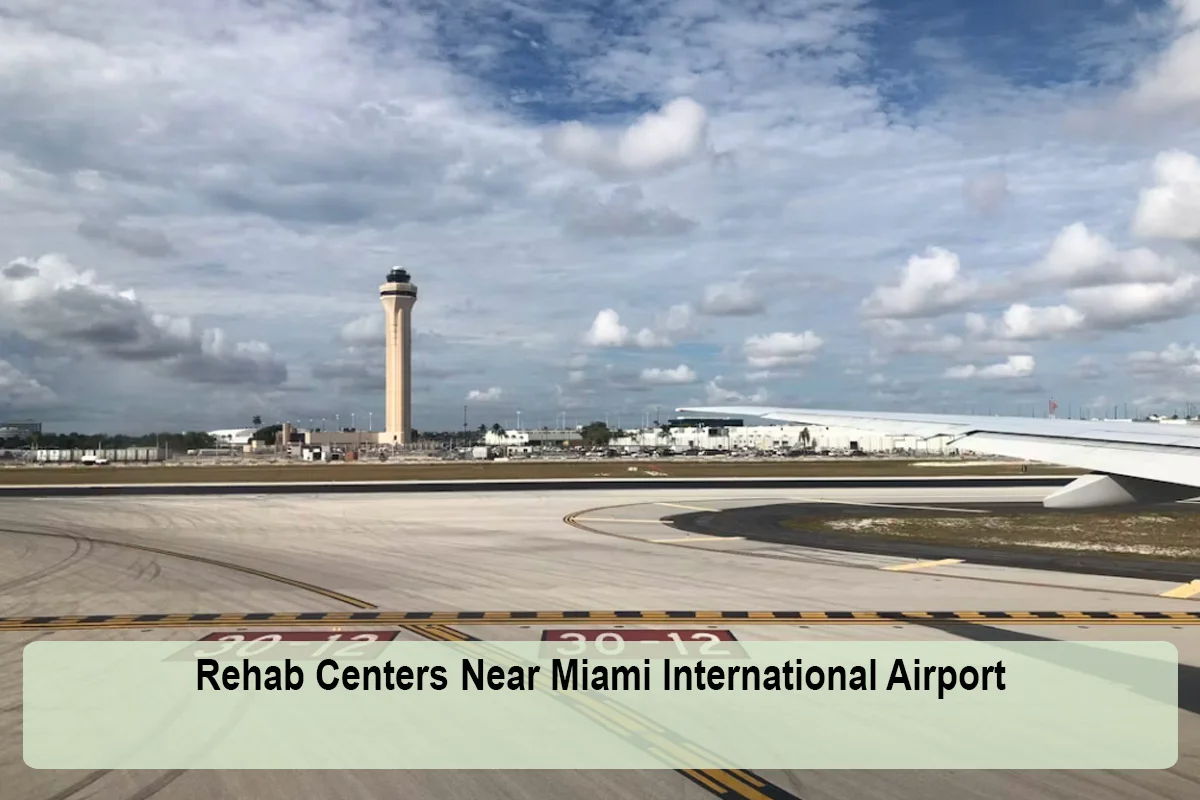
Miami International Airport (MIA) is one of the busiest international gateways in the country, which makes it a natural entry point for people traveling to South Florida for addiction treatment. But there is an important geographic nuance worth knowing before you book a flight: the region South Florida is actually famous for in addiction treatment, the corridor running through Delray Beach, Boca Raton, and West Palm Beach, sits in Palm Beach County, a meaningful drive north of MIA itself, and is often more conveniently reached through Fort Lauderdale-Hollywood International (FLL) or Palm Beach International (PBI). Understanding this distinction upfront will save you real confusion when comparing flight options and facility locations.
Delray Beach in particular has carried the informal title "recovery capital of America" since a 2007 New York Times article documented the trend of people relocating there specifically for addiction treatment and the recovery community that grew around it. Decades of inpatient facilities, sober living homes, and outpatient step-down programs have built a dense, established recovery infrastructure in that corridor, including active 12-step meeting communities, alumni networks, and what became known as the "Florida model" of care, a structured progression from residential treatment down through sober living and part-time work reintegration.
The appeal is not purely reputational. South Florida's year-round warm climate supports outdoor programming and experiential therapy approaches, and the sheer density of programs in a relatively small geographic area means people can move between levels of care, from residential treatment into a sober living home into part-time employment, without needing to leave the region or restart their support network each time. For someone whose home environment is a significant part of what is driving their substance use, that combination of climate, structured step-down infrastructure, and distance from home can be a genuinely useful part of a treatment plan, not just marketing language.
This reputation is a genuine asset, but it comes with an important caveat worth being direct about: South Florida's rapid growth as a treatment destination also attracted well-documented patient brokering and insurance fraud schemes in past years, particularly around unlicensed sober homes offering kickbacks for referrals. State licensing reforms and stronger oversight have addressed much of this, but it remains a real reason to verify a facility's licensing and accreditation carefully rather than assuming reputation alone guarantees legitimacy. Our guide to choosing a rehab center covers exactly what to verify before committing.
If flying into MIA specifically and minimizing drive time matters to you, the following facilities sit in the southern part of the Broward County corridor, generally the shortest drive from MIA among the options in our directory:
| City | Facility |
|---|---|
| Hollywood, FL | Compassion Behavioral Health |
| Pompano Beach | 1st Step Behavioral Health |
| Deerfield Beach | FHE Health |
| Deerfield Beach | LifeSkills South Florida |
Hollywood, Florida in particular sits close to the Miami-Dade and Broward County line, generally the shortest drive of the region's options from MIA.
The facilities most associated with South Florida's reputation as a treatment destination sit further north, in Palm Beach County, a longer drive from MIA and generally more convenient from FLL or PBI:
| City | Facility |
|---|---|
| Boynton Beach | Recreate Life Counseling |
| Delray Beach | Caron Ocean Drive |
| Delray Beach | Guardian Recovery Immersion |
| Lake Worth | Genesis House |
| West Palm Beach | Headwaters |
| West Palm Beach | Beachway Therapy Center |
| West Palm Beach | Beachside Rehab |
| West Palm Beach | Hanley Center |
| Tequesta | Futures Recovery Healthcare |
If a program in this corridor is your priority over minimizing drive time from any specific airport, it is worth comparing flight availability and pricing into MIA against FLL and PBI directly, since the better flight option can vary considerably depending on your originating city and time of year. You can browse the full, current list of Florida treatment centers for additional options.
It is also worth asking whether the facility has a preferred ground transportation partner they work with regularly, as opposed to a generic rideshare recommendation. Facilities that regularly admit out-of-state and international clients often have an established relationship with a specific car service familiar with airport pickup logistics and the drive to the facility, which can be more reliable than arranging transportation independently, particularly for clients arriving in a vulnerable emotional state at the start of treatment.
If you are specifically drawn to the Palm Beach County corridor for its established step-down infrastructure, it helps to understand how that model typically works in practice. A person often begins in residential treatment, then transitions to a partial hospitalization or intensive outpatient schedule while living in a licensed sober living home, and finally moves toward standard outpatient care while working part-time or attending school locally, sometimes over a period of several months to a year. This gradual structure is part of what distinguishes South Florida's treatment ecosystem from a single, standalone 30-day program elsewhere; the region's density of connected services makes each step down logistically easier to arrange without switching cities or losing continuity with providers who already know the person's history.
Consider someone flying from a Midwest city where direct flights exist to MIA but not to FLL or PBI. If their chosen facility sits in Delray Beach, roughly an hour north of MIA, they may still choose to fly into MIA and arrange ground transportation for that final leg, simply because a direct flight into MIA is more available or less expensive than connecting through a smaller regional airport. This is a completely reasonable choice; it just means budgeting for a longer ground transfer than someone flying directly into PBI would need, and it is worth confirming with the facility whether they can assist with that longer pickup or whether a car service will be needed.
MIA's advantage is scale: as one of the country's busiest international gateways, it offers more direct routes, more frequent flight schedules, and often more competitive pricing than the smaller regional airports serving Broward and Palm Beach counties, particularly for travelers coming from outside the United States or from cities without direct connections to smaller airports. The tradeoff is the added ground transportation time and cost for anyone whose facility sits in the northern Palm Beach County corridor. Fort Lauderdale-Hollywood International splits the difference reasonably well for facilities anywhere from Hollywood through Boca Raton, while Palm Beach International is the most direct option specifically for West Palm Beach and Delray Beach area facilities, at the cost of a smaller route network and, at times, higher fares. There is no universally correct choice here; it comes down to comparing actual flight options for your specific trip against the facility's specific location.
Given South Florida's documented history with patient brokering schemes, specifically verify that any facility you are considering holds current state licensure through the Florida Department of Children and Families and accreditation from a recognized body such as The Joint Commission or CARF. A legitimate facility will provide this information readily and will never offer to waive your insurance deductible or copay as an incentive to choose them, a practice that was historically associated with fraudulent operations in the region. It is also worth researching whether a facility has any history of licensing complaints or enforcement actions through Florida's public regulatory databases, a step that takes only a few minutes and can meaningfully reduce the risk of ending up at a facility with a troubled history hidden behind polished marketing. Our guide to insurance coverage for rehab is a useful companion resource for understanding what legitimate billing practices should look like.
This article was reviewed by the RehabsNearMe Editorial Team for accuracy, clarity, and relevance. Information may be sourced from publicly available treatment resources, government agencies, and healthcare references where applicable.
Last reviewed: September 2026
Resources
 Resources
 Resources
 Resources