
 Resources
Teen Destroying Property at Home: Is It a Mental Health Crisis?
Published On 18-10-2026
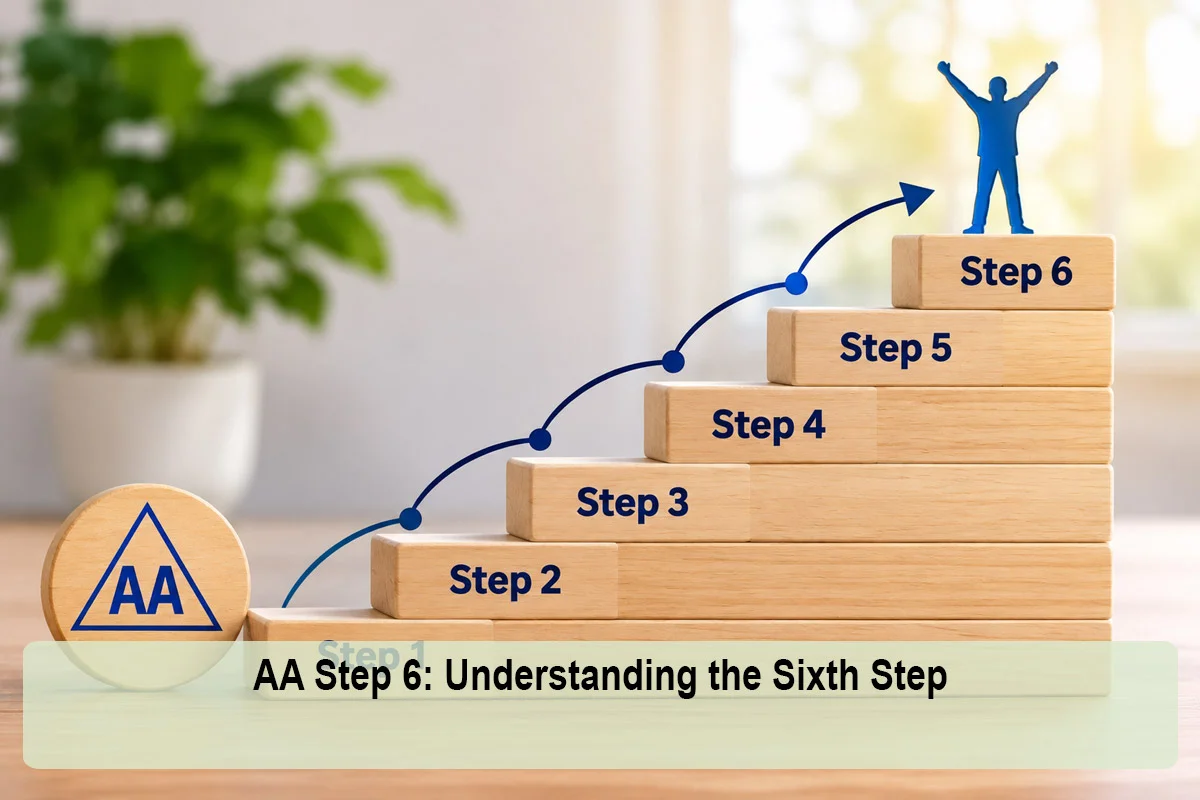
Step 6 is one of the shortest steps in Alcoholics Anonymous, and one of the least discussed. It follows two of the most intense: the written moral inventory of Step 4 and the spoken confession of Step 5. By comparison, Step 6 can seem like a pause. In reality, it asks for something difficult: genuine willingness to change patterns that may have protected a person for most of their life. This guide explains what the Sixth Step means, why becoming "entirely ready" is harder than it sounds, how people practice it day to day, and how it connects to the psychology of lasting change.
Step 6 reads: "Were entirely ready to have God remove all these defects of character." The key ideas are:
The steps build on each other. Step 4 identifies patterns through a written inventory. Step 5 shares that inventory with another person, which often brings relief and a clearer picture. Step 6 asks whether the person is truly willing to let those patterns go. Step 7 asks for help doing so. Steps 8 and 9 then repair harms to others. If you have not yet worked the inventory, our guide to AA Step 4 explains that process.
It might seem obvious that anyone would want to be rid of resentment, fear, or dishonesty. In practice, many character defects persist because they serve a purpose.
Many patterns that cause harm in adulthood started as ways to cope. A child in a chaotic home may learn to control everything to feel safe. Someone who was criticized constantly may learn to lie to avoid punishment. Someone who felt powerless may learn to use anger to keep others at a distance. These patterns once protected the person. Letting them go can feel like losing a shield.
Resentment can feel righteous and energizing. Self-pity can attract sympathy. Perfectionism can bring praise at work. Control can reduce anxiety in the short term. Step 6 asks a person to recognize these payoffs honestly and decide that the long-term cost is no longer worth it.
People sometimes fear that without their sarcasm, intensity, or competitiveness they will lose who they are. In practice, recovery tends to soften the destructive edge of these traits rather than erase personality.
Because Step 6 is about willingness, it is less a single task than an ongoing attitude. Sponsors and members commonly suggest practical approaches:
Many people review their Fourth Step and list the recurring patterns, then write the opposite quality they want to develop.
| Character Defect | Opposite Quality to Practice | Example of Practicing It |
|---|---|---|
| Resentment | Forgiveness and acceptance | Writing out a resentment and identifying one thing you can let go of |
| Dishonesty | Honesty | Correcting a small exaggeration as soon as you notice it |
| Fear | Trust and courage | Taking one action you have been avoiding |
| Self-centeredness | Service and consideration | Helping a newcomer or doing a chore without being asked |
| Impatience | Patience | Pausing and breathing before responding in a frustrating moment |
| Self-pity | Gratitude | Writing a daily gratitude list |
| Need for control | Acceptance | Letting someone else make a plan without correcting it |
Step 6 becomes concrete when a person starts noticing defects as they happen: the flash of resentment in traffic, the urge to exaggerate a story, the impulse to control a conversation. Simply noticing, without immediately acting, is a form of becoming ready.
Writing down what each defect gives you, and what it costs you, can clarify why willingness is hard and why change is worth it.
Sponsors can help identify blind spots, normalize slow progress, and share their own experience of letting go of long-held patterns.
Step 10's daily inventory and Step 11's prayer or meditation support Step 6 by keeping awareness of these patterns active. Many people find mindfulness practices helpful. Our article on mindfulness in addiction recovery explains how this works.
A common source of frustration is the belief that becoming entirely ready means defects should disappear immediately. AA literature emphasizes that this is a lifelong process. Most members describe gradual change: reacting less intensely, recovering faster after a slip, and noticing patterns sooner. Expecting perfection can itself become a defect, feeding shame and all-or-nothing thinking.
Although Step 6 uses spiritual language, its core ideas align with well-established psychological principles.
Research on twelve-step programs supports their value in recovery. A 2020 Cochrane review of 27 studies, summarized on the U.S. Department of Health and Human Services' Healthy People evidence-based resources site, found that manualized AA and Twelve-Step Facilitation interventions were more effective than other established treatments for increasing abstinence. Studies examine overall participation rather than individual steps, but step work is a core part of what active involvement means.
Alcohol use disorder is widespread. The National Institute on Alcohol Abuse and Alcoholism reports that about 27.9 million Americans ages 12 and older had alcohol use disorder in the past year, according to the 2024 National Survey on Drug Use and Health.
"I have to be perfect before moving on." No. Step 6 asks for willingness, not completion. Most people move to Step 7 while still very much a work in progress.
"If I still have a defect, I did Step 6 wrong." Defects tend to fade gradually. Noticing a pattern sooner, or recovering from it faster, is evidence that the step is working.
"Character defects mean I am a bad person." AA describes these patterns as shortcomings that everyone has to some degree. The goal is growth, not self-condemnation. Treating defects with curiosity rather than shame makes change more likely.
"Step 6 is only for drinking problems." The same willingness to examine and change patterns helps in relationships, work, and family life long after drinking stops.
People who do not believe in God often reinterpret Step 6 as becoming entirely ready to let go of harmful patterns with the help of their group, their sponsor, therapy, or their own commitment to growth. The practical work, identifying patterns, examining payoffs, practicing opposite behaviors, is the same.
Unaddressed character patterns are closely tied to relapse risk. Resentment, isolation, self-pity, and the need for control often show up before a return to drinking. By making these patterns visible and building willingness to change them, Step 6 supports long-term sobriety. Pairing step work with a written relapse prevention plan can strengthen both.
Many treatment programs integrate twelve-step principles through Twelve-Step Facilitation while also providing therapy, medication, and care for co-occurring conditions. If depression, anxiety, or trauma make it hard to change long-standing patterns, a therapist can help. NIAAA's Treatment for Alcohol Problems guide describes how mutual support fits alongside professional care. You can explore programs that use this approach on our twelve-step approach page.
The SAMHSA National Helpline at 1-800-662-4357 offers free, confidential referrals to treatment and support 24 hours a day.
AA's Sixth Step asks a person to become entirely ready to let go of the character defects identified in Steps 4 and 5. It is about willingness, not instant change. Becoming ready is hard because defects often began as survival strategies and still offer payoffs. Practicing Step 6 means noticing patterns in real time, naming their costs, practicing opposite qualities, and accepting that progress matters more than perfection. Its principles align closely with evidence-based therapies, and it remains a meaningful part of the twelve-step path to lasting recovery.
This article was reviewed by the RehabsNearMe Editorial Team for accuracy, clarity, and relevance. Information may be sourced from publicly available treatment resources, government agencies, and healthcare references where applicable.
Last reviewed: October 2026
Resources
 Resources
 Resources
 Resources