
 Resources
Teen Gives Up on School? Why It Happens and How to Help
Published On 25-10-2026
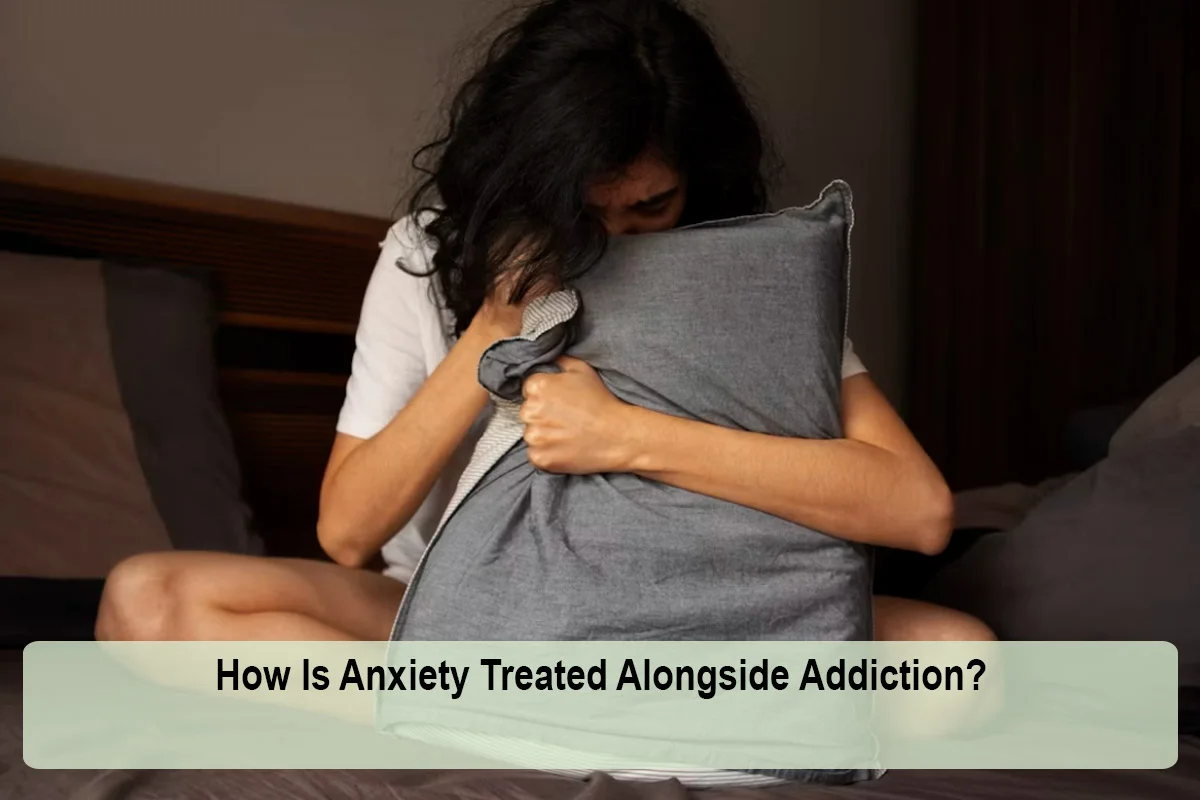
Our guide to depression and substance use disorder covered the diagnostic challenge of separating substance-induced mood symptoms from an independent condition. Anxiety presents a related but genuinely distinct clinical puzzle, one made harder by an uncomfortable fact: the physical symptoms of a panic attack and the physical symptoms of withdrawal from alcohol, benzodiazepines, or opioids can look almost identical.
A panic attack involves a rapid-onset surge of physical symptoms, racing heart, chest tightness, sweating, shaking, dizziness, and a sense of impending doom, peaking within about ten minutes. Alcohol and benzodiazepine withdrawal produce a strikingly similar physical picture: anxiety, tremor, sweating, palpitations, and in more severe cases, panic-like episodes, because both states share an underlying neurochemical mechanism. Chronic alcohol or benzodiazepine use suppresses the brain's inhibitory GABA system while upregulating excitatory glutamate activity; when the substance is removed, that same GABA-glutamate imbalance, low inhibition paired with excess excitation, produces symptoms that are, on a biological level, closely related to a genuine anxiety state. This is not a coincidence. It reflects real, shared neurochemistry, which is exactly why distinguishing "this is my anxiety disorder" from "this is withdrawal" is genuinely difficult, for patients and clinicians alike, without a careful accounting of timing and substance use history.
This overlap has a well-documented downstream consequence: a meaningful share of people who eventually meet criteria for an anxiety disorder report that their first significant exposure to anti-anxiety relief came through alcohol or benzodiazepines, self-medicating symptoms that may have been genuine anxiety, withdrawal-related anxiety, or some combination of both, well before any formal diagnosis was ever made. Research indicates alcohol or benzodiazepine self-medication is reported by a substantial minority of people with panic disorder specifically, underscoring how tightly these two conditions can become entangled in a person's actual lived history.
Because genuine anxiety symptoms and withdrawal-related anxiety symptoms can look the same in the moment, treatment teams generally need a period of sustained abstinence and careful monitoring before confidently distinguishing the two, similar in principle to the four-week reassessment window used for substance-induced depression. Post-acute withdrawal syndrome (PAWS), a cluster of lingering symptoms that can follow withdrawal from alcohol, benzodiazepines, or opioids, can specifically include anxiety and irritability that persists well beyond acute withdrawal, sometimes for weeks, further complicating this picture. A treatment team that moves too quickly to diagnose and medicate an independent anxiety disorder risks treating what is actually a resolving withdrawal process; a team that dismisses all anxiety as "just withdrawal" risks leaving a genuine, independent anxiety disorder unaddressed.
This assessment challenge is compounded by a detail that is easy to overlook: someone can genuinely have both. An independent anxiety disorder that predates substance use, plus an additional layer of withdrawal-related anxiety symptoms layered on top during early recovery, is a common presentation, not a rare edge case. In this situation, some anxiety may reasonably be expected to improve as withdrawal resolves, while a real, underlying baseline of anxiety remains and requires its own ongoing treatment once that acute period has passed. This is part of why a single assessment at intake is rarely sufficient; ongoing reassessment as withdrawal fully resolves is what actually separates the temporary layer from the persistent one.
This is the piece of anxiety-and-addiction treatment that deserves the most direct attention, because it creates a genuine clinical tension. Benzodiazepines are effective, fast-acting anti-anxiety medications and remain in use as a second-line or adjunctive treatment for anxiety disorders in the general population. But for someone with any substance use disorder, particularly a history of alcohol or sedative use, benzodiazepines carry real dependence potential of their own and can be dangerous in combination with alcohol. This is precisely why SSRIs and SNRIs, not benzodiazepines, are generally considered the first-line, preferred long-term treatment for anxiety disorders in this specific population. These medications are not associated with the same dependence and misuse potential, are considered safe for long-term use, and, while not recommended to combine with alcohol, are rarely dangerous in that combination the way sedatives can be.
This does not mean SSRIs and SNRIs are a perfect substitute in every respect. They typically take several weeks to reach full effectiveness, unlike a benzodiazepine's rapid relief, which means someone in acute distress may need to manage a period of ongoing anxiety symptoms while the medication takes effect, ideally supported by therapy and non-medication coping strategies during that window. Some clinical protocols outside this specific population combine a benzodiazepine with an SSRI briefly at the start of treatment specifically to bridge that gap, then taper the benzodiazepine once the SSRI takes hold; for someone with a substance use disorder, this bridging strategy is generally avoided or handled with far greater caution, given the added dependence risk, which is why the slower start typically associated with SSRIs alone is usually accepted as the safer tradeoff in this specific context.
| Medication Class | Role for Someone With a Co-Occurring Substance Use Disorder |
|---|---|
| SSRIs and SNRIs | Generally preferred as first-line, long-term treatment; not associated with dependence risk, safe for extended use |
| Benzodiazepines | Generally avoided or used with significant caution given dependence potential and danger in combination with alcohol or other sedatives |
| Non-medication approaches | Cognitive behavioral therapy, exposure-based approaches, and relaxation or mindfulness-based techniques are commonly used alongside or instead of medication |
This does not mean benzodiazepines are never appropriate for someone with a history of substance use, but it does mean this decision requires a specifically cautious, closely monitored approach rather than the more routine prescribing pattern that might apply to someone without that history.
Consider someone entering treatment for alcohol use disorder who reports significant anxiety, including occasional panic-like episodes. During the first weeks of abstinence, much of this anxiety is expected to reflect the withdrawal and early recovery process itself, potentially extending into PAWS-related symptoms for several weeks. A careful treatment team documents this anxiety as provisional and monitors its trajectory rather than immediately prescribing an anti-anxiety medication. If, after several weeks of sustained sobriety, panic symptoms persist largely unchanged, that pattern supports a genuine, independent panic disorder diagnosis, at which point an SSRI, rather than a benzodiazepine, becomes the standard first-line treatment recommendation, given this person's substance use history specifically.
Our broader coverage of dual diagnosis treatment and anxiety treatment provide useful additional context, and our guide to what happens during opioid detox and guide to alcohol withdrawal danger cover the acute withdrawal timelines relevant to distinguishing withdrawal-related anxiety from an independent disorder.
This article was reviewed by the RehabsNearMe Editorial Team for accuracy, clarity, and relevance. Information may be sourced from publicly available treatment resources, government agencies, and healthcare references where applicable.
Last reviewed: September 2026
Resources
 Resources
 Resources
 Resources