
 Resources
Evidence-Based vs. Holistic Therapies: What the Research Act...
Published On 28-07-2026
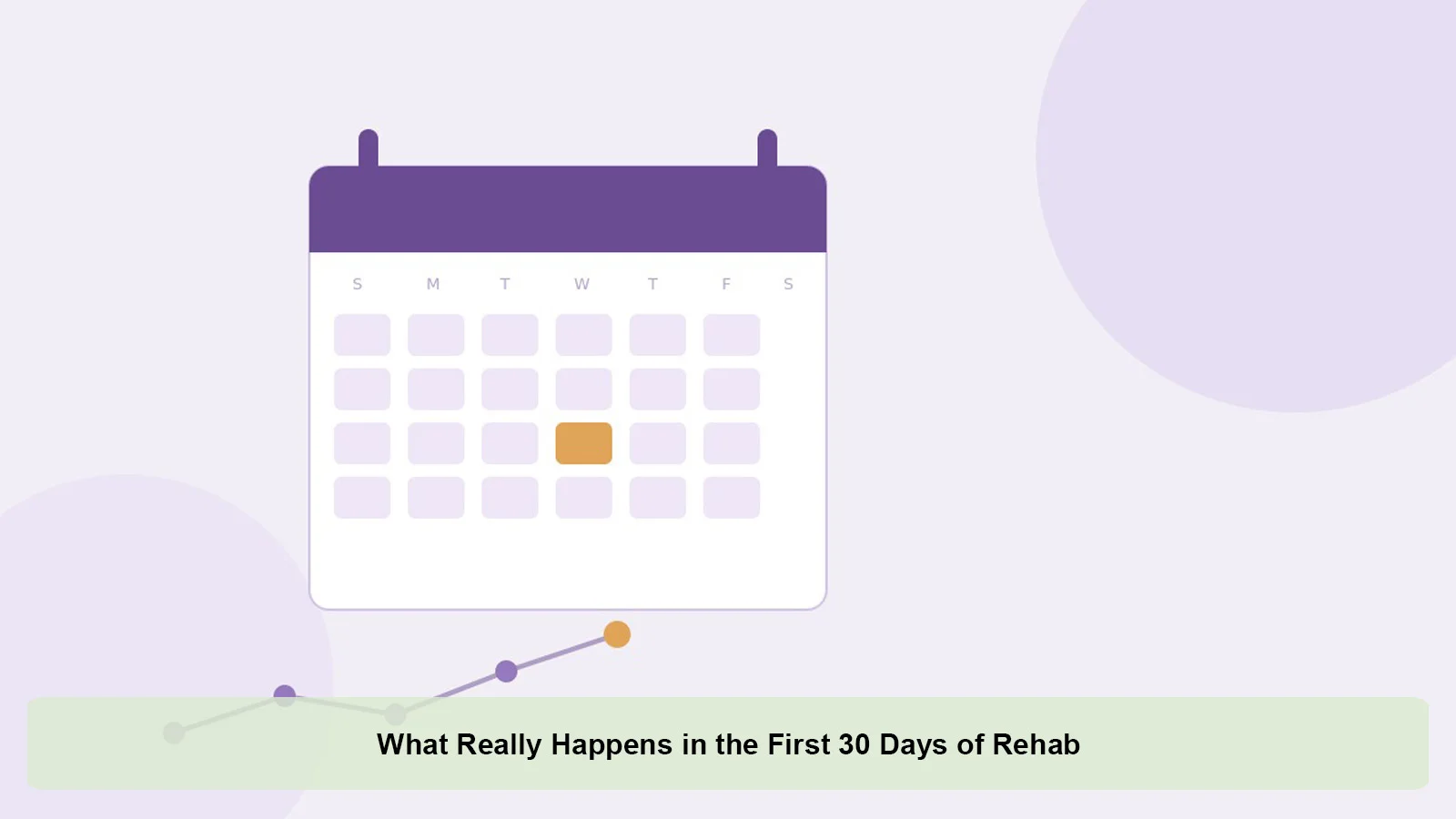
Most of the fear around starting rehab comes from not knowing what the days will actually look like. Movies exaggerate it. Marketing pages gloss over it. The truth is somewhere more ordinary and more manageable than either extreme suggests. Here's a realistic breakdown of what the first month tends to look like, week by week.
The process usually starts with a phone assessment, sometimes days or even hours before arrival. A clinician or intake coordinator will ask about substance use history, medical conditions, current medications, and any co-occurring mental health concerns. This isn't just paperwork it directly shapes the medical plan for the first few days, especially around detox.
On arrival, expect a physical exam, a review of personal belongings (many facilities restrict certain items for safety reasons), and an orientation to house rules and daily schedule. It's common to feel disoriented or emotionally raw on this first day. That's normal, and staff are used to it.
For most people, the first week is dominated by one thing: getting physically stable.
Substances like alcohol, benzodiazepines, and opioids can produce dangerous withdrawal symptoms, so this phase happens under 24-hour medical supervision. Medication may be used to ease symptoms and reduce risk this is standard practice, not a sign of a "harder" case. Detox timelines vary:
Some clients enter residential treatment without requiring supervised detox. In these cases, week one is focused on orientation, initial individual therapy sessions, and building a baseline treatment plan with a primary counselor.
Sleep is often disrupted this week, appetite can be unpredictable, and mood swings are common as the body and brain begin adjusting. Group therapy participation is typically light during this stretch the priority is physical stabilization first.
By the second week, most clients are physically stable enough to engage more fully. The daily schedule usually tightens into a predictable rhythm:
This is also when family therapy sessions often begin, either in person or via video call, depending on the program. Many people describe week two as emotionally the hardest the physical fog has lifted, which means the underlying issues that led to treatment start surfacing more directly in therapy.
By this point, the treatment team usually has a clearer clinical picture and starts tailoring therapy more specifically. This might include:
Physically, most people report improved sleep, more stable appetite, and better concentration by this stage though this varies significantly by substance history and individual health factors.
The final week of a 30-day program shifts focus toward what happens next. This is arguably as important as the clinical work that came before it, since the transition out of a structured environment is a common point of relapse risk.
Expect discussions and planning around:
Thirty days is a common program length, but it's a starting point, not a universal timeline. Some people need a shorter medically supervised detox followed by intensive outpatient care; others benefit from 60 or 90 days of residential treatment, particularly with longer substance use histories or more complex co-occurring conditions. A good treatment team will adjust the plan based on clinical progress rather than sticking rigidly to a preset calendar.
This article was reviewed by the RehabsNearMe Editorial Team for accuracy, clarity, and relevance. Information may be sourced from publicly available treatment resources, government agencies, and healthcare references where applicable.
Last reviewed: July 2026
Resources
 Resources
 Resources
 Resources