
 Resources
Evidence-Based vs. Holistic Therapies: What the Research Act...
Published On 28-07-2026
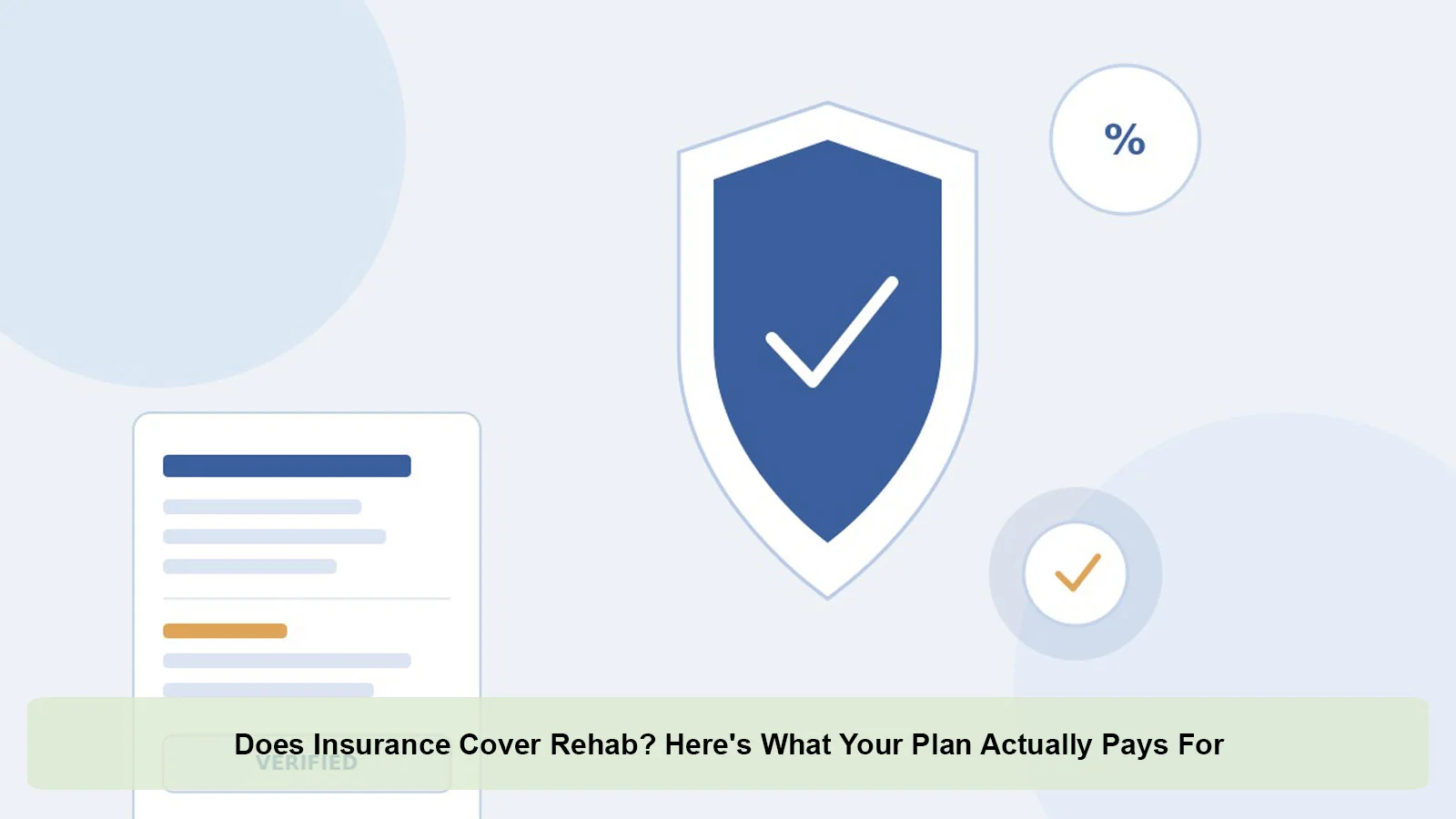
"Will insurance cover this?" is usually the second question anyone asks after "is this facility legitimate?" and it's often the harder one to get a straight answer to. Insurance language is dense on purpose, and treatment centers don't always explain it clearly. This guide breaks down what coverage typically looks like, where the gaps usually appear, and exactly what to ask before you sign anything.
Under federal law, most health insurance plans in the U.S. including marketplace plans, employer plans, Medicaid, and Medicare are required to cover substance use disorder treatment at parity with medical and surgical care. That's the Mental Health Parity and Addiction Equity Act (MHPAEA) at work. In practice, this means insurers can't apply stricter limits to addiction treatment than they apply to, say, a hospital stay for a broken leg.
What "covered" doesn't mean, though, is "free." Deductibles, copays, coinsurance, and network restrictions still apply and those details vary enormously by plan.
| Plan Type | How It Works for Rehab | Typical Trade-off |
|---|---|---|
| PPO (Preferred Provider Organization) | Broader network, out-of-network coverage usually available, no referral required | Higher monthly premium, but far more flexibility in choosing a facility |
| HMO (Health Maintenance Organization) | Requires in-network providers, often needs a referral from a primary care physician | Lower premium, but fewer facility options and more administrative steps |
| EPO (Exclusive Provider Organization) | In-network only, no referral needed | No out-of-network coverage at all, even in urgent situations |
If you have a PPO, you generally have more freedom to choose an out-of-network facility that fits your needs though you'll pay a higher percentage of the cost. HMO plans tend to restrict you to a narrower list of approved providers, so it's worth checking that list before you fall in love with a particular facility.
Coverage details vary by insurer and plan tier, but most plans that include behavioral health benefits will cover some portion of:
Insurers don't just approve a length of stay because a facility recommends it. They typically use a set of clinical criteria commonly based on the ASAM (American Society of Addiction Medicine) criteria to determine what level of care is "medically necessary" at each stage of treatment.
This is why some people are approved for residential treatment initially, then get stepped down to PHP or IOP faster than the facility originally proposed. It's not always the facility's decision it's often the insurer's utilization review team reassessing your case every few days.
Most reputable treatment centers will do this verification for you, free of charge, before you commit to admission. If a facility is reluctant to provide a written estimate after verifying your benefits, treat that as a warning sign rather than a formality.
Lack of insurance doesn't mean treatment is out of reach. Options worth exploring include:
This article was reviewed by the RehabsNearMe Editorial Team for accuracy, clarity, and relevance. Information may be sourced from publicly available treatment resources, government agencies, and healthcare references where applicable.
Last reviewed: July 2026
Resources
 Resources
 Resources
 Resources