
 Resources
Supporting a Loved One Through Rehab, Without Enabling Them
Published On 28-07-2026
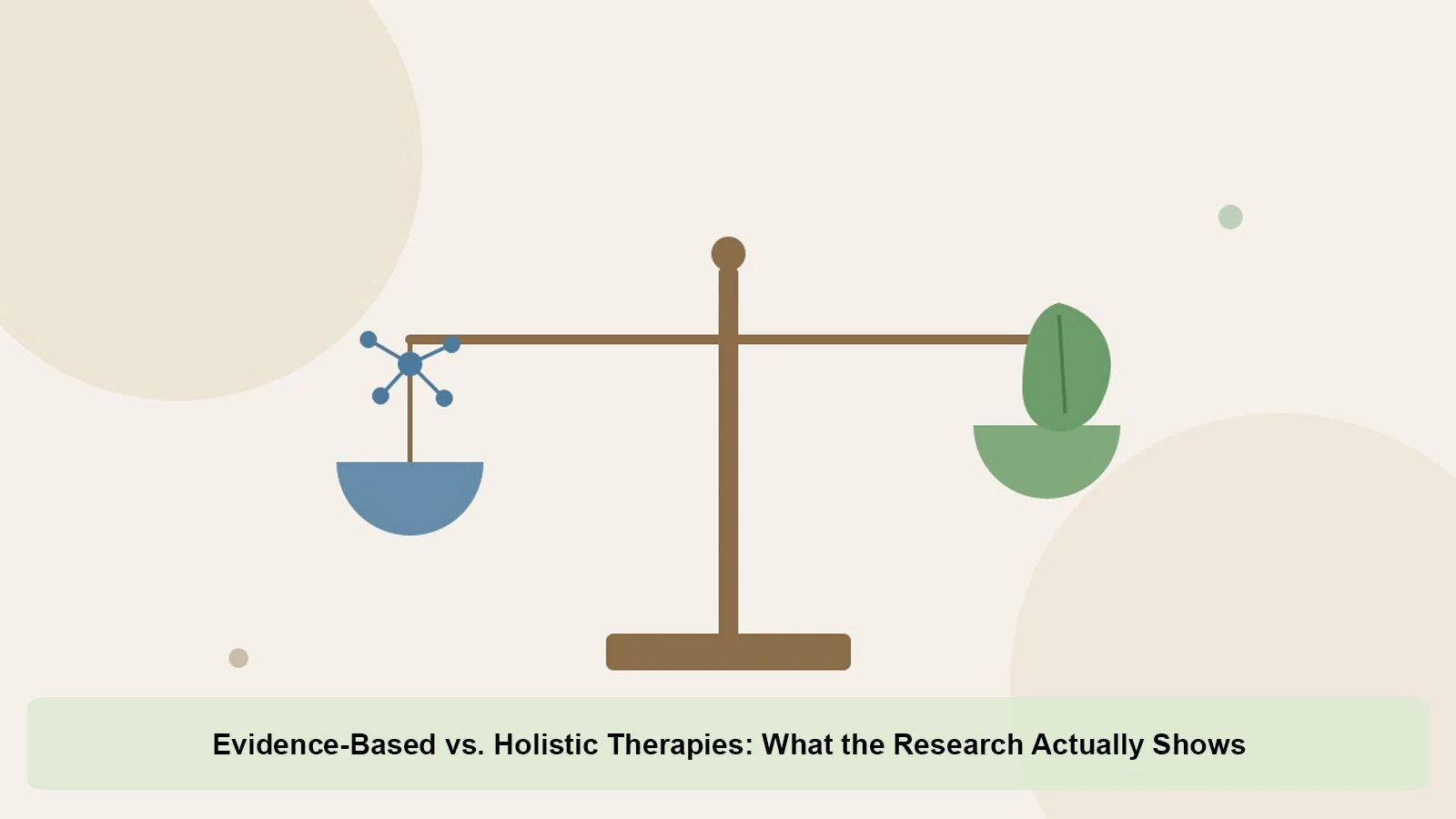
Rehab marketing tends to lump every therapy offered into one undifferentiated list cognitive behavioral therapy sitting right next to sound baths, as if they carry equal clinical weight. They don't, and pretending otherwise doesn't serve anyone making a genuinely difficult decision about treatment. This is a straightforward look at where the research actually stands, therapy by therapy, without the marketing gloss.
It's not that holistic therapies are worthless many offer real value for comfort, stress reduction, and engagement in treatment. But conflating "helps someone feel better during their stay" with "changes the trajectory of their addiction" can lead people to over-rely on complementary approaches while under-investing in the therapies with the strongest track record for reducing relapse and supporting long-term recovery.
The most effective treatment plans tend to combine both categories deliberately: evidence-based therapy as the clinical backbone, holistic approaches as genuine support alongside it not a replacement for it.
| Therapy | What the Evidence Shows |
|---|---|
| Cognitive Behavioral Therapy (CBT) | Extensively studied; consistently shown to reduce relapse risk by helping people identify and restructure the thought patterns that drive substance use |
| Medication-Assisted Treatment (MAT) | Strong evidence base, particularly for opioid use disorder (buprenorphine, methadone, naltrexone) and alcohol use disorder; associated with significantly reduced overdose risk and improved retention in treatment |
| Dialectical Behavior Therapy (DBT) | Originally developed for borderline personality disorder, now well-supported for substance use disorders with co-occurring emotional regulation difficulties |
| Contingency Management | One of the more robustly studied behavioral approaches; uses tangible incentives for verified abstinence, with solid outcome data particularly for stimulant use disorders |
| Motivational Interviewing | Well-supported for increasing engagement and readiness for change, especially useful early in treatment when ambivalence is common |
These aren't discredited but the research is genuinely thinner, more preliminary, or mixed, and it's worth knowing that going in.
| Therapy | What the Evidence Shows |
|---|---|
| Equine-Assisted Therapy | Some small studies suggest benefits for emotional regulation and trust-building, but robust, large-scale trials specific to addiction outcomes are limited |
| Art and Music Therapy | Reasonable evidence for reducing anxiety and supporting emotional expression during treatment; less evidence for directly reducing relapse rates on its own |
| Craniosacral Therapy | Evidence is limited and mixed; some individuals report subjective relaxation benefits, but rigorous clinical trials specific to addiction treatment are scarce, and some studies find no effect beyond placebo |
| Acupuncture | Some studies suggest modest benefit for withdrawal symptom relief and relaxation; evidence for long-term addiction outcomes remains inconclusive |
| Sound Healing / Vibrational Therapy | Largely anecdotal; very limited peer-reviewed research specific to addiction treatment outcomes at this time |
None of this means holistic therapies should be dismissed. Their real, well-documented value tends to show up in specific, more modest ways:
Yoga and mindfulness-based interventions, worth noting separately, actually sit closer to the "solid evidence" side of the ledger than many other holistic offerings several controlled studies support their use for stress reduction and relapse prevention when combined with standard treatment.
Rather than accepting a long list of offered therapies at face value, a few pointed questions can clarify what's actually driving the treatment plan:
A program heavy on holistic branding but thin on specifics about its clinical therapy hours is worth a closer look before committing.
Evidence-based therapies should form the clinical core of any addiction treatment plan they're what the research most consistently links to reduced relapse and improved long-term outcomes. Holistic therapies can meaningfully support that process, particularly for stress reduction and engagement, but they work best as a genuine complement rather than a replacement. The strongest programs are transparent about which is which, rather than presenting every offering as equally proven.
This article was reviewed by the RehabsNearMe Editorial Team for accuracy, clarity, and relevance. Information may be sourced from publicly available treatment resources, government agencies, and healthcare references where applicable.
Last reviewed: July 2026
Resources
 Resources
 Resources
 Resources