
 Resources
Teen Gives Up on School? Why It Happens and How to Help
Published On 25-10-2026
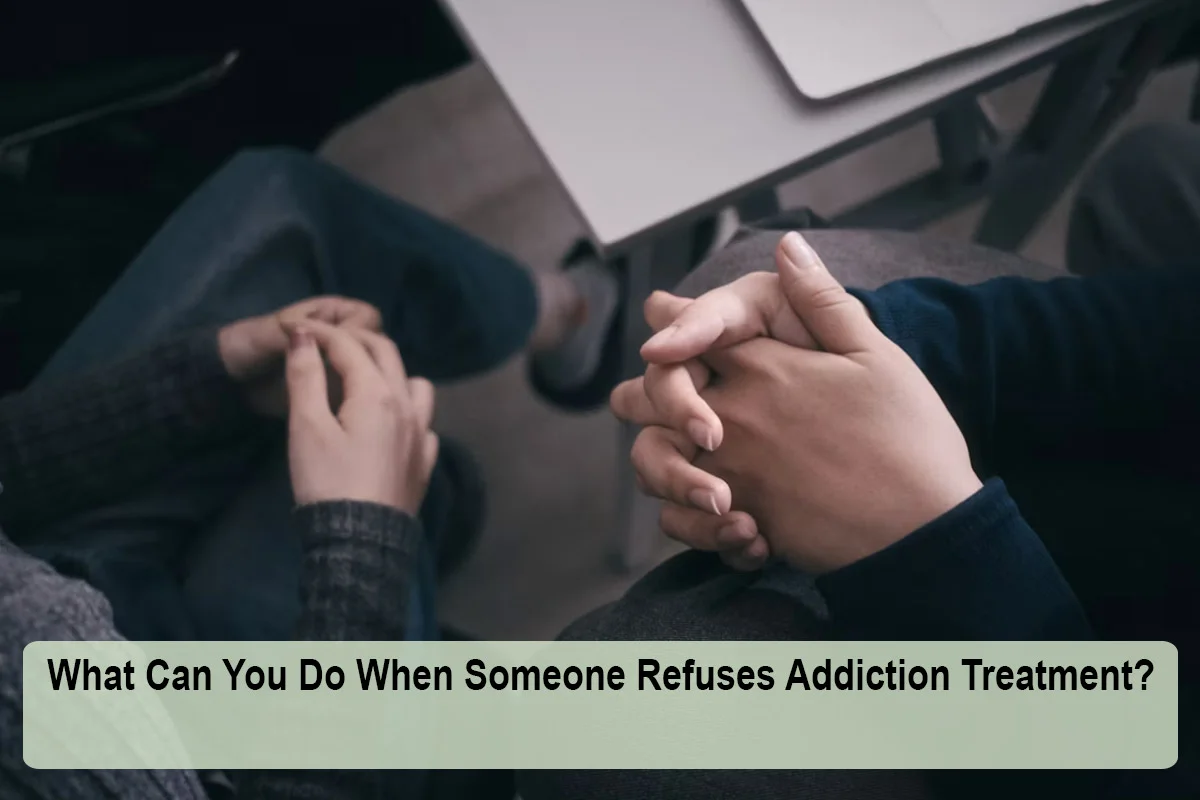
Our earlier guides covered recognizing that a loved one needs help, using CRAFT as a research-backed engagement strategy, and having the actual conversation. This piece picks up where those leave off, for the situation none of them fully solve: the person has said no, more than once, and you are trying to figure out what is actually left to do.
A single refusal, or even several, does not mean CRAFT-based engagement has failed as a strategy. Research on this approach specifically emphasizes patience over time and recognizes that engagement often happens gradually, through repeated, low-pressure openings rather than a single successful conversation. If a first attempt was met with refusal, the most evidence-supported next step is often not escalation, but continuing the same behavioral patterns, reducing enabling, reinforcing moments of openness, improving communication timing, that CRAFT is built around, while watching for the next natural window of receptiveness rather than assuming the door has permanently closed.
It is worth naming a specific trap many families fall into after a refusal: escalating tactics in frustration, moving from calm engagement to increasingly dramatic ultimatums or confrontations, precisely because the gentler approach did not produce an immediate result. This escalation is understandable but tends to be counterproductive, since it moves away from exactly the evidence-supported behavioral approach that research shows works better over time. A refusal is frustrating information, not a signal that a fundamentally different, more forceful strategy is now required.
This is the area most families have never heard of until they need it, and it deserves a clear, honest explanation, including its genuine controversy. Many U.S. states, 37 to 38 depending on the current count, have some form of civil commitment law allowing a third party, often a family member, to petition a court for involuntary substance use disorder treatment when someone poses a serious risk to themselves or others and is unwilling or unable to seek help independently.
Florida's Marchman Act, enacted in 1993, is the most established example, allowing family members, medical professionals, or law enforcement to petition a court for an order of evaluation and, if warranted, involuntary treatment. Kentucky's Casey's Law, enacted in 2004 following the death of Matthew Casey Wethington, established a similar process, later adopted with variations in states including Ohio. These laws generally preserve the person's civil rights during the process, including the right to an attorney, the right to be present at the hearing, and the right to appeal.
It would be misleading to present involuntary commitment as a straightforward solution. Advocates, including families who have used these laws, describe them as a last resort that has directly saved lives when nothing else worked. Charlotte Wethington, who helped create Casey's Law after her son's death, has described families pursuing this route only in desperate situations, after multiple overdoses and the loss of housing, employment, and relationships.
At the same time, the clinical and legal community remains genuinely divided. Some outcome studies have found mixed results; one study of a small Minnesota cohort found several patients relapsed almost immediately after a court-ordered commitment ended. Legal scholars have specifically raised concerns about commitment laws, like Kentucky's original model, that require a petitioning family member to pledge in advance to pay for treatment, arguing this creates inequitable access based on family financial resources rather than clinical need. Surveys of addiction medicine providers show real but not universal support, with roughly 60 percent expressing support for civil commitment as an option in appropriate circumstances. This is a genuinely contested area of addiction policy, and reasonable people, including addiction medicine professionals themselves, disagree about when, or whether, it should be used.
Some research offers a more nuanced middle picture worth noting as well. Studies of opioid-specific civil commitment cohorts have found that positive treatment experiences and continued medication treatment after commitment were associated with longer periods of post-commitment abstinence, suggesting that what happens after a commitment ends, whether the person transitions into genuine, voluntary continuing care, may matter as much as the commitment itself. This lines up with a broader pattern seen throughout addiction treatment: the initial intervention, whatever form it takes, functions best as a bridge into ongoing care, not as a standalone solution.
Not every family situation calls for, or has access to, legal intervention, and most days involve a different set of decisions entirely. Several concrete steps remain available regardless:
It is worth being honest that this list will feel unsatisfying to many families in this exact situation, since none of these steps guarantee a specific outcome or timeline. That discomfort is a real and understandable part of loving someone who is not yet ready to change, and it does not mean these steps are ineffective; it means recovery timelines are genuinely outside any one person's full control, however consistently and well the evidence-based approach is followed.
Consider a family whose adult son has refused treatment twice, continues using heavily, and has recently lost his job and been in a minor car accident while impaired. He is not in acute, imminent danger in a legal sense, but the pattern is clearly worsening. This family is not yet at the threshold most involuntary commitment laws require, but they are also not without options. Continuing CRAFT-based engagement, maintaining naloxone access, holding firm but calm boundaries around specific behaviors, and staying alert to the next opening, likely following his next serious consequence, remains the most evidence-supported path forward for now, with legal intervention held in reserve as a more serious option if the situation continues to escalate toward genuine danger.
If you have not yet reviewed it, our guide to CRAFT-based family engagement covers the underlying strategy this piece builds on, and our guide to the conversation itself offers concrete language for the next attempt, whenever that window opens.
This article was reviewed by the RehabsNearMe Editorial Team for accuracy, clarity, and relevance. Information may be sourced from publicly available treatment resources, government agencies, and healthcare references where applicable.
Last reviewed: September 2026
Resources
 Resources
 Resources
 Resources