
 Resources
Collegiate Recovery Programs: Sober Support on Campus
Published On 22-08-2026
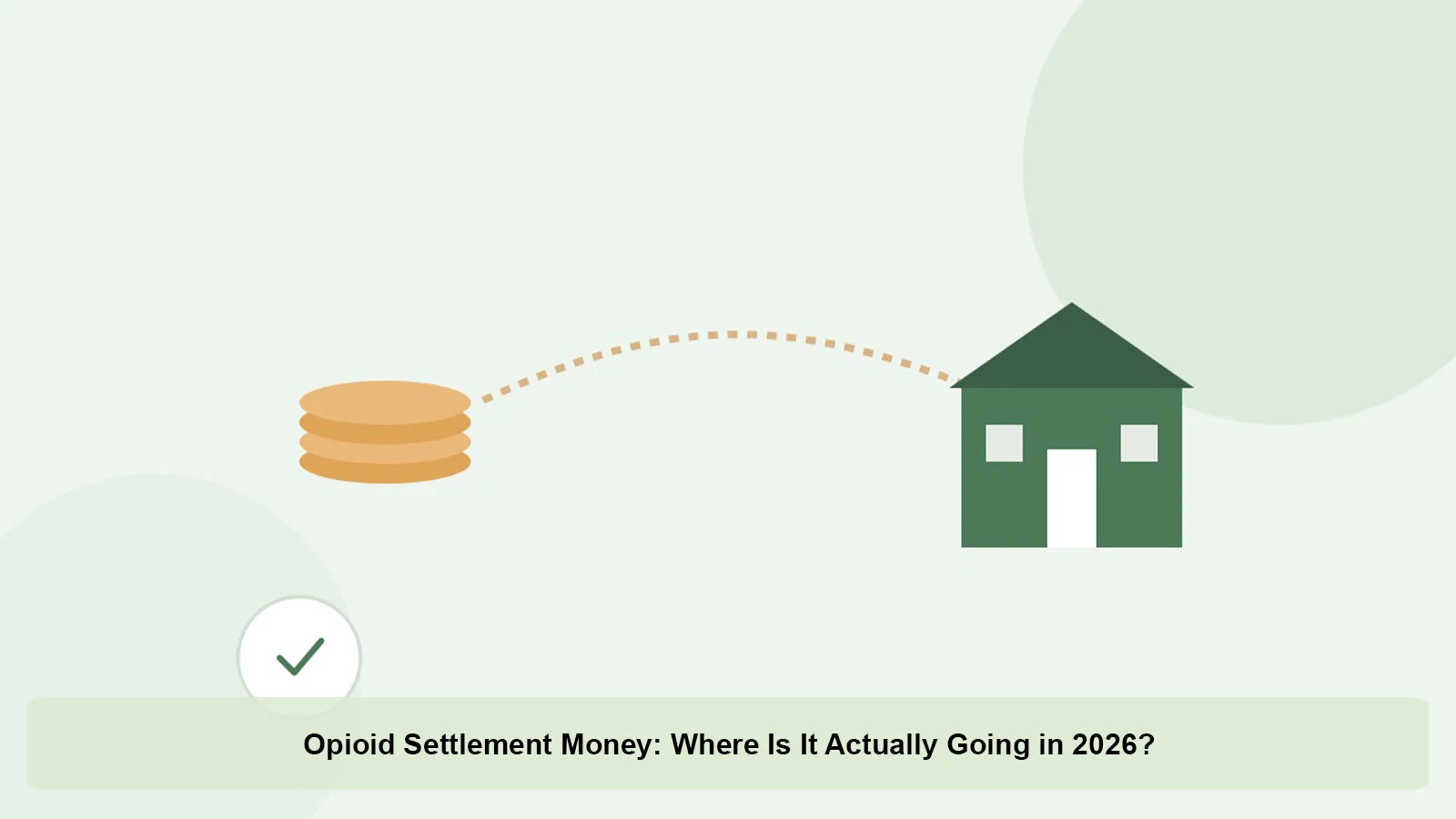
Over the past several years, opioid manufacturers, distributors, and pharmacy chains have agreed to pay out more than $50 billion in legal settlements over their role in the opioid crisis money that's now flowing to states, counties, and cities across the country. As of mid-2026, roughly $57.7 billion has been allocated nationally. For anyone looking for treatment resources, or just wondering whether this money is actually reaching people who need it, here's how the system is supposed to work and where to actually find what's been funded.
These settlements resolved thousands of lawsuits brought by states, counties, and cities against opioid manufacturers (including Purdue Pharma and others), distributors, and major pharmacy chains, alleging their role in fueling the opioid epidemic through aggressive marketing and inadequate oversight of suspicious orders. Unlike a typical lawsuit payout, most of these settlements are structured to pay out over many years some extending to 2038 or beyond rather than as a single lump sum.
Settlement agreements generally require funds to go toward "opioid remediation" a defined category of uses intended to actually address the crisis, rather than filling unrelated budget gaps. Common approved categories include:
This varies significantly by state. Some states direct the majority of funds through a centralized state agency with a formal advisory council setting priorities; others distribute a larger share directly to counties and municipalities, each making independent spending decisions within the broader remediation guidelines. This decentralization is part of why spending patterns and transparency vary so much from one place to another.
Most states now publish some form of public spending report or dashboard, though the level of detail varies considerably. Independent tracking projects notably OpioidSettlementTracker.com and KFF Health News's "Payback" database compile spending data across states and have documented both genuinely well-targeted programs and, in some cases, spending that's drawn public criticism for straying from the intended remediation purpose. This kind of independent tracking has become an important accountability layer precisely because state-level reporting requirements and transparency aren't uniform.
Spending varies widely by state and locality, but reported examples include: covering room-and-board costs for Medicaid recipients in residential treatment (a real gap, since federal Medicaid rules don't cover this directly), funding recovery housing assistance programs for people experiencing housing instability during or after treatment, expanding naloxone and fentanyl test strip distribution through harm reduction agencies, and funding jail diversion programs that connect people to treatment instead of incarceration.
For anyone navigating the cost of treatment, settlement-funded programs represent a real, sometimes underused resource particularly for costs like residential room and board that standard insurance and Medicaid often don't cover directly. It's worth checking specifically, since these programs aren't always the first thing a treatment provider mentions, but they can meaningfully change what's financially accessible.
This article was reviewed by the RehabsNearMe Editorial Team for accuracy, clarity, and relevance. Information may be sourced from publicly available treatment resources, government agencies, and healthcare references where applicable.
Last reviewed: August 2026
Resources
 Resources
 Resources
 Resources